Commercial cost segregation across Southern California.
For commercial property in Los Angeles, the Inland Empire, Orange County, San Diego and Ventura, we walk the property in person on larger engagements, and otherwise in person as an add-on or with you by video at no charge. Most commercial studies are delivered within about two weeks.
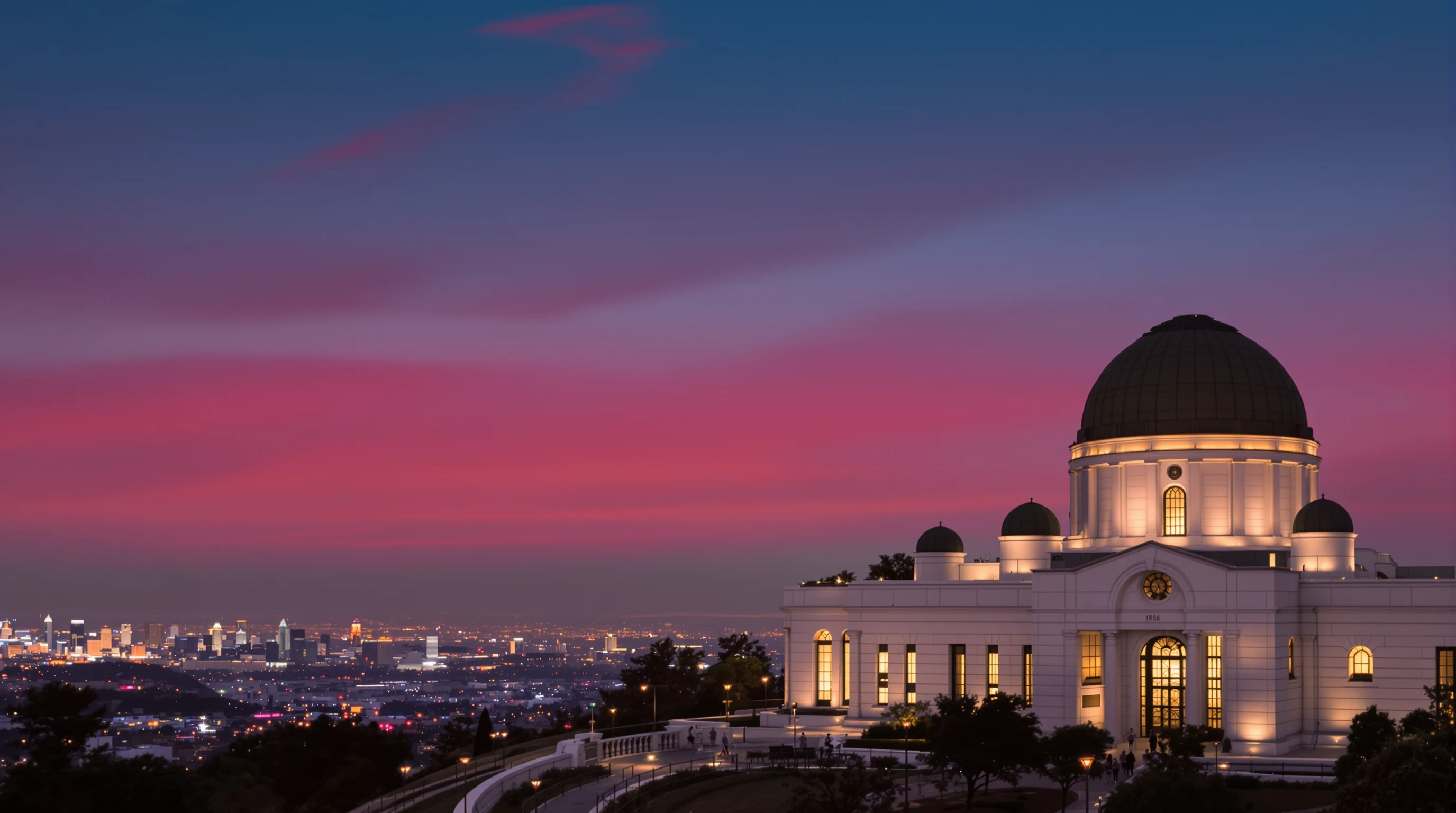
Cost segregation for Southern California commercial property
Southern California spans some of the country's most distinct commercial submarkets: big-box distribution across the Inland Empire, port-adjacent and food-grade industrial in Los Angeles, the Tech-Med flex corridor in Orange County, life-science and R&D in San Diego, apartment stock shaped by local seismic-retrofit ordinances, and one of the densest concentrations of express car washes anywhere. Each carries its accelerated value in a different place — yard and site improvements, dock and process equipment, lab and cleanroom build-out, water-reclamation systems — and much of it is difficult to establish from documents alone.
A cost segregation study identifies the parts of a property that qualify for 5-, 7- or 15-year depreciation instead of the default 39 years (or 27.5 for residential rental), moving deductions earlier in your ownership. Because the components that matter most on these property types are the ones least legible in a closing file, we walk the property when it would improve the study: in person on larger engagements or as an add-on, and otherwise by video at no charge. Most commercial studies are delivered within about two weeks once we have your records.
Find your market and property type
Warehouse & logistics
Big-box distribution across Riverside and San Bernardino — truck courts, dock equipment, yard improvements, and the AB 98 layer on new builds.
Warehouse & industrial
Port-adjacent and infill industrial — including the food-grade and cold-storage stock that defines Vernon and Commerce.
Industrial, flex & R&D
The Tech-Med corridor and aerospace cluster — cleanroom, GMP power, lab casework, and the interior build-out that carries the value.
Life-science & commercial
Torrey Pines, UTC and Sorrento Valley — wet-lab and R&D build-out, specialty power and process systems, plus the defense base.
Multifamily
Apartment buildings across LA County — unit finishes, common areas, and how a soft-story retrofit interacts with cost segregation.
Car wash
Express and full-service tunnels — the tunnel, dryers, vacuums, and water reclamation that make a wash one of the most equipment-dense properties you can buy.

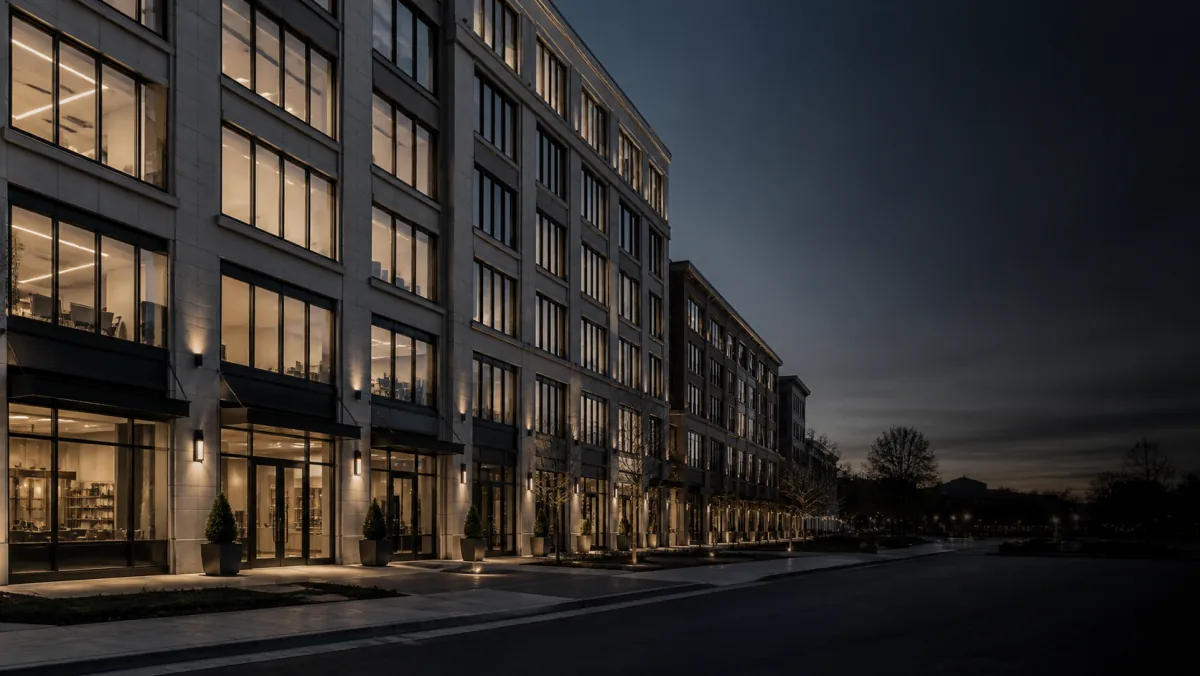
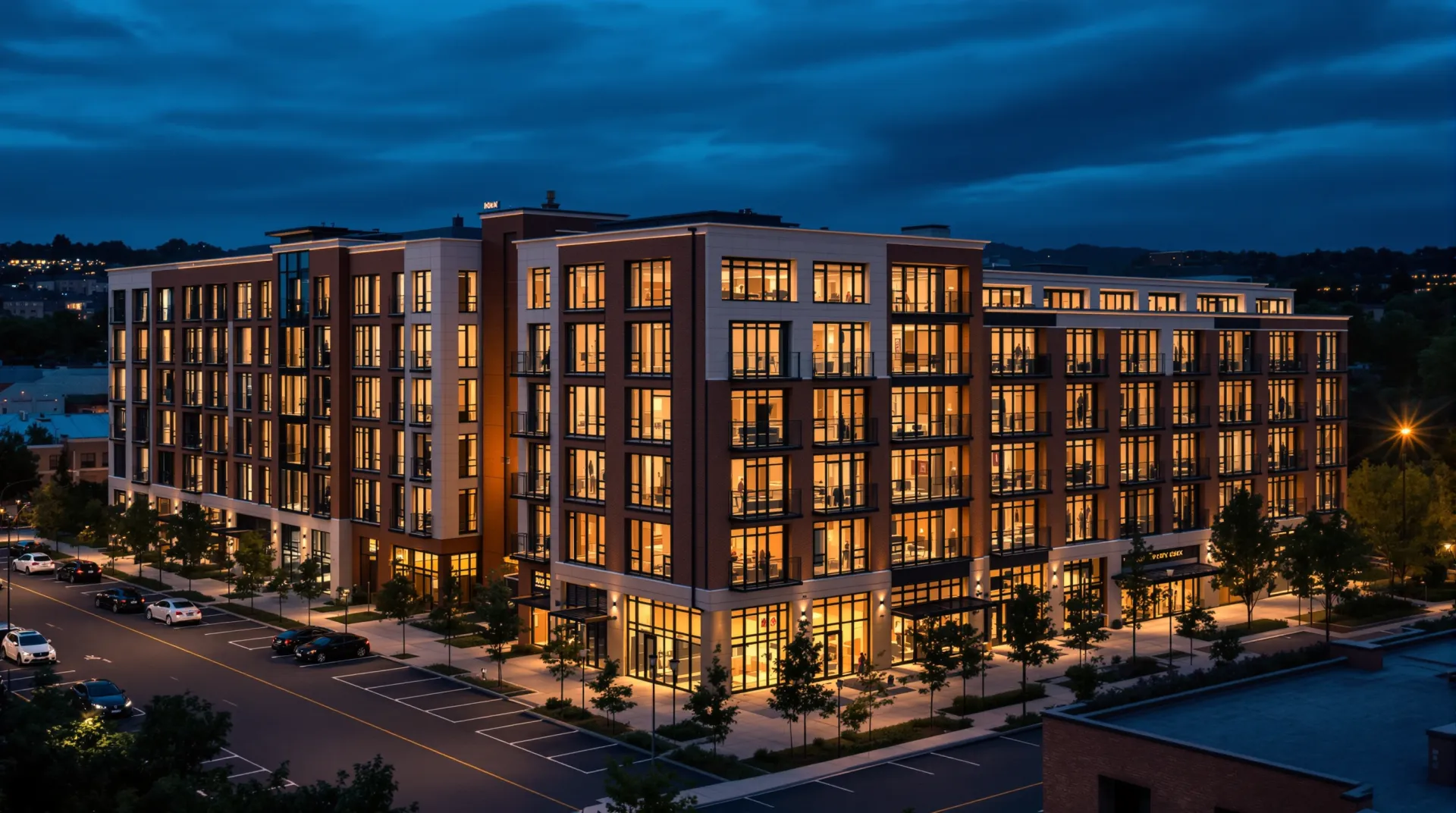
Illustrative renders of the property types we study across Southern California, not photographs of specific projects.
What a Southern California commercial study looks like
Representative engine outputs on modeled buildings — "accelerated" is the share of depreciable basis moved into 5-, 7- and 15-year property instead of the 39- or 27.5-year class. Equipment-dense property like an express car wash sits far higher than a shell-heavy building; your result depends on the property. Each page shows the full component detail behind its number.
Common accelerated assets on a Southern California commercial property
Before we ask for anything, here is the kind of component an engineered study separates out and reclassifies — much of it invisible in a closing file:
- Truck courts & loading docks
- Dock & process equipment
- Yard improvements & site lighting
- Lab & cleanroom build-out
- Water-reclamation systems
- Car-wash tunnel & equipment
- Parking, paving & fencing
- Landscaping & irrigation
- Dedicated equipment power
- Tenant improvements & finishes
When we walk the property
On Southern California commercial property the components that carry the most value, such as truck courts and yard improvements, dock and process equipment, lab and cleanroom build-out, and water-reclamation systems, are the ones a closing file never captures.
On commercial engagements of $3 million or more, an in-person walkthrough by our team is included. Below that, an in-person site visit is available as an add-on for $895, travel included; otherwise, when a walkthrough would improve the study, we do it with you on a video call, about 30 to 45 minutes, at no charge. An in-person visit is generally scheduled within about a week. Our team prepares your study from that walkthrough together with your records, and most commercial studies are delivered within about two weeks. See how site visits work. Where records already support the components at issue, our remote engagement model applies and costs less.
How the engagement works
Ready to scope your building?
Tell us the property type, address, and basis. We generally return a written scope and quote within one business day — or call the office at (213) 444-2776.