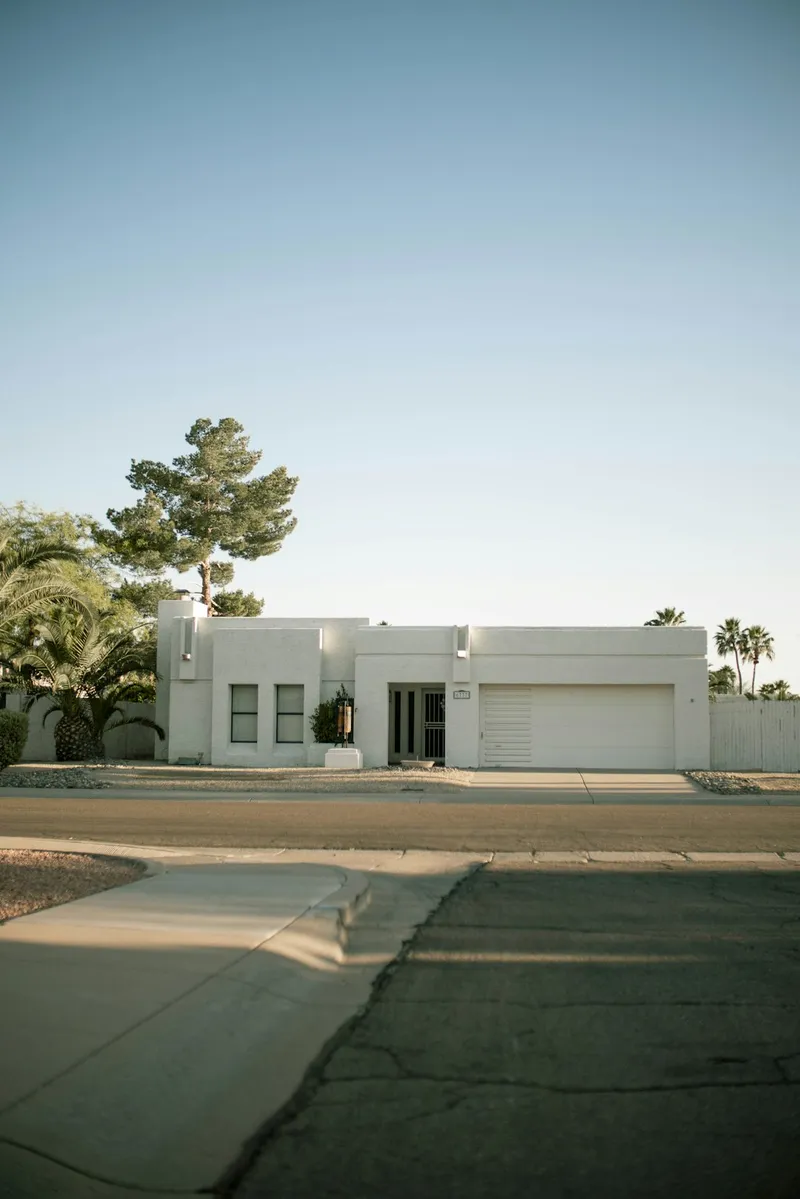
Scottsdale, AZ · $1.9M
Dental practice with chairside imaging
Year-1 federal benefit
$113,500
Specialty MEP — exam-room plumbing, gas lines, lead-lined imaging walls, sterile water — pushes medical office reclassification well above general office.

Medical and dental office cost segregation is an engineering-based study that reclassifies a clinical office's components out of the default 39-year commercial schedule into faster 5-, 7-, and 15-year MACRS classes. A clinical office reclassifies far more than a plain office because the fit-out is dense with specialty infrastructure: exam and procedure casework, medical-gas distribution (oxygen, vacuum, nitrous, medical air), scrub sinks and specialty plumbing, dedicated imaging power and cooling, nurse-call and clinical low-voltage, and procedural lighting are all 5-year personal property when owned and documented. With 100% bonus depreciation the reclassified amount (about 16–23% of building basis, more when imaging and clinical equipment is documented) is deductible in Year 1.
Medical office cost segregation reclassifies 16–29% of depreciable basis from the 27.5- or 39-year shell into 5-, 7-, and 15-year MACRS classes per 26 U.S.C. § 168 and Rev. Proc. 87-56. Under OBBBA's permanent 100% bonus depreciation (placed-in-service 2025+), reclassified components are deductible in year one. All credible cost-seg providers use the same federal framework — industry-standard 2026 construction cost data, MACRS classification, IRS Audit Techniques Guide (Pub 5653) compliance. What differs across property types is land-allocation share, FF&E weight, and material-participation eligibility under §469.
| Property type | Reclass to 5/7/15-yr | Year-1 federal benefit | Study cost |
|---|---|---|---|
| STR | 20–39% | $48K–$280K | From $495 |
| SFR | 8–32% | $16K–$165K | From $495 |
| Condo | 10–17% | $16K–$61K | From $495 |
| Brownstone | 5–20% | $60K–$640K | From $495 |
| Rowhouse | 5–18% | $10K–$170K | From $495 |
| Duplex | 13–21% | $31K–$105K | From $995 |
| Fourplex | 16–29% | $64K–$230K | From $995 |
| Office | 16–29% | $84K–$650K | From $1,995 |
| Retail | 20–37% | $90K–$690K | From $1,995 |
| Industrial | 15–28% | $78K–$840K | From $2,495 |
| Self-storage | 19–36% | $140K–$1.6M | From $2,495 |
| Medical office this page | 16–29% | $84K–$540K | From $2,995 |
| Mixed-use | 12–23% | $63K–$515K | From $1,995 |
| Multifamily | 15–28% | $48K–$200K | From $995 |
| Multifamily 5+ | 14–26% | $110K–$1.0M | From $1,995 |
| Triplex | 14–26% | $44K–$165K | From $995 |
| Restaurant | 16–29% | $72K–$430K | From $2,995 |
| Vet | 19–36% | $85K–$540K | From $2,995 |
| Gym | 21–40% | $110K–$900K | From $2,995 |
| Dealership | 25–47% | $465K–$4.2M | From $2,995 |
| ADU | 7–14% | $8K–$39K | From $495 |
| Commercial | 18–34% | $94K–$765K | From $1,995 |
| Data center | 43–65% | $2.5M–$29M | $4,995–$54,995 (sub-$100M); $100M+ by proposal |
| Senior living | 21–39% | $315K–$2.3M | By proposal |
| Funeral homes | 18–30% | $135K–$900K | By proposal |
| Child day care | 15–28% | $56K–$630K | From $2,995 |
| Adult day care | 14–26% | $78K–$780K | From $2,995 |
| Church | 10–22% | $37K–$825K | From $2,995 |
Reclassification ranges from internal benchmarks across 4,000+ studies; Year-1 federal benefit assumes 37% bracket and full first-year usability. Study costs are Cost Seg Smart pricing — comparable engineering studies elsewhere range $5,000–$15,000+. See full provider comparison.
Estimates assume 37% federal bracket and full first-year usability of the loss (active income offset or REPS). Your actual benefit varies with bracket, basis allocation, and CPA's treatment.
Pre-set to Medical office defaults — adjust price + bracket to match your property.
Yes — a clinical office reclassifies more than a plain office because the fit-out is dense with specialty infrastructure. Exam and procedure casework, medical-gas distribution (oxygen, vacuum, nitrous, medical air), scrub sinks and specialty plumbing, dedicated imaging power and cooling, nurse-call and clinical cabling, and procedural lighting are all 5-year personal property when owned and documented. A typical practice reclassifies roughly 16–23% of building basis, more when imaging and clinical equipment is documented.
Generally yes. Medical-gas distribution (oxygen, vacuum, medical air, nitrous) and specialty plumbing serve identifiable medical equipment rather than the building's general systems, and exam-room sink cabinets and procedure counters are removable trade-fixture casework — both typically depreciated over 5 years. The classification of any specific asset depends on its facts and is confirmed in the study.
Yes, when you own it and it is documented — the equipment books as 5/7-year personal property, and the dedicated power, cooling, structural reinforcement, and mounts that serve an imaging suite are 5-year property because they serve identifiable medical equipment. It is captured only when the imaging suite and equipment are actually present and documented.
Yes, and often more strongly. A tenant who funded the clinical build-out depreciates that investment, and with no land or 39-year shell to strip out, a medical build-out reclassifies far more of its cost. That is handled as a tenant-improvement study on your build-out basis.
Medical and dental offices are priced on the specialty-commercial ladder: from $2,995 for a sub-$1M basis and $4,995 for a typical $1M–$3M practice, delivered as a CPA-ready PDF, usually the same business day. Remote for most residential and small-commercial studies; on-site observation for larger commercial projects.
Drop your email and we'll unlock all sample reports — STR, SFR, multifamily, commercial, per-city. No spam, no nag.
One email unlocks every sample on the site. We use it to send the reports + an optional 5-day cost-seg primer (unsubscribe anytime).