Commercial cost segregation across South Carolina.
For commercial and multifamily property from the Port of Charleston and the I-26 corridor to the Upstate's I-85 manufacturing belt, our team prepares the study from your records, your photos and, when it would improve the study, a video walkthrough of the property with you at no charge. Most commercial studies are delivered within about two weeks.
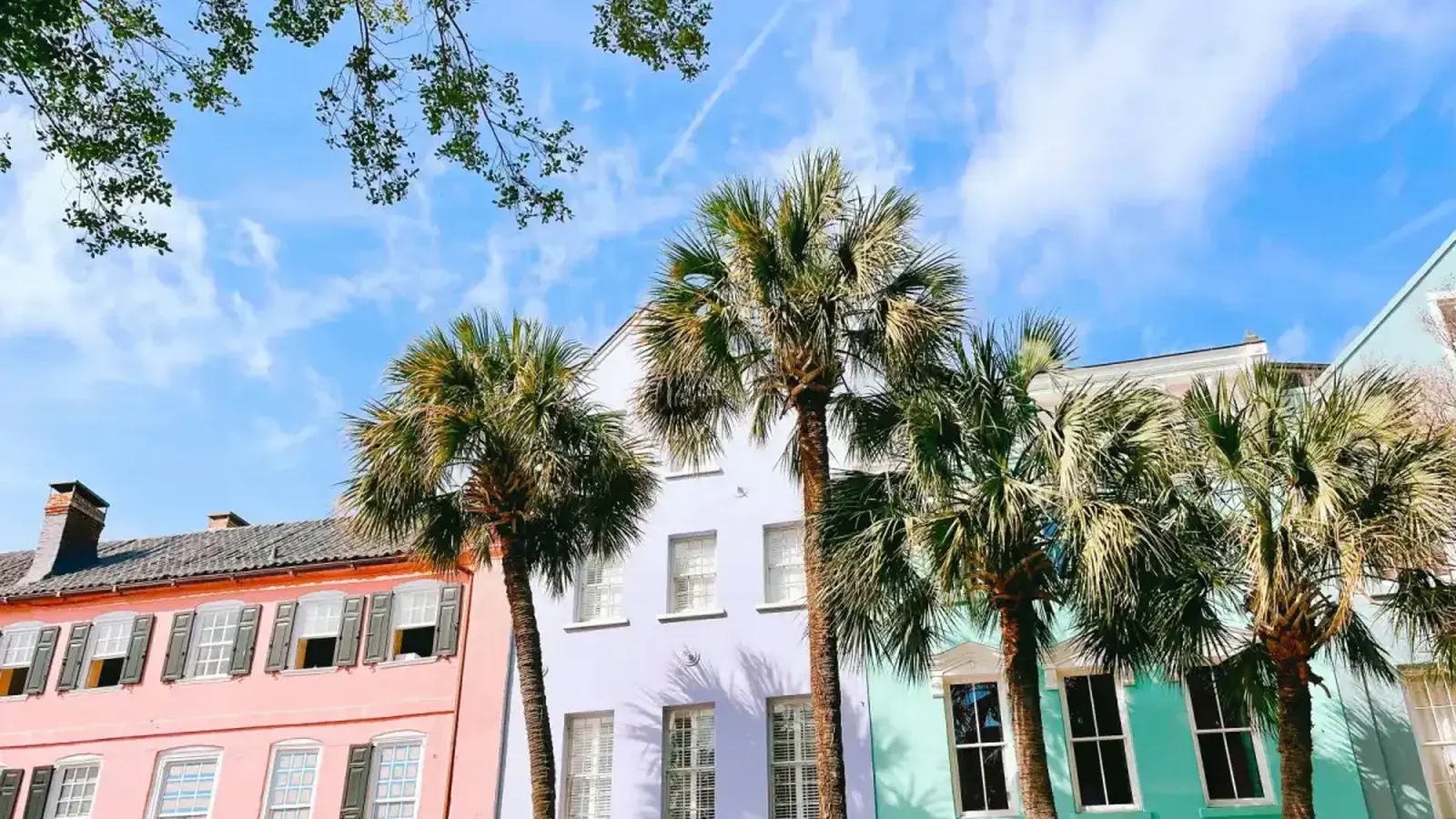
Cost segregation for South Carolina commercial property
South Carolina is two commercial stories that a single study approach tends to flatten. On the coast, the Port of Charleston — the deepest harbor on the East Coast — drives the I-26 distribution corridor, and the flood-prone Lowcountry forces engineered drainage and retention onto nearly every site. In the Upstate, the I-85 corridor is one of the country's densest advanced-manufacturing belts, anchored by BMW's largest plant in the world and Michelin's North American headquarters, where the value hides in the building systems that feed the machines. Add the state's academic and regional medical systems and a fast-growing garden-apartment stock, and the components that carry the most accelerated value differ sharply by property type.
A cost segregation study identifies the parts of a property that qualify for 5-, 7- or 15-year depreciation instead of the default 39 years (or 27.5 for residential rental), moving deductions earlier in your ownership. On South Carolina property, the components that carry the most value — production power and process systems, dock equipment, drainage and retention, medical build-out, and the pools and parking of an apartment community — are the ones hardest to see in a closing file, which is why we walk the property with you on a video call when it would improve the study. Most studies are delivered within about two weeks once we have your records.
Find your market and property type
Warehouse & logistics
Port-of-Charleston and I-26 distribution, plus the Inland Port Greer rail link — truck courts, dock equipment, and the engineered drainage a flood-prone Lowcountry site carries.
Manufacturing & industrial
The Greenville–Spartanburg advanced-manufacturing belt — BMW, Michelin and their supplier base — high-amp power to production equipment, compressed air, process systems, cranes and heavy site work.
Medical & research
Charleston's MUSC and Prisma Health across the state — exam and lab casework, medical-gas and imaging power, backup generation, and the tenant build-out that carries the value.
Multifamily
Fast-growing garden communities in Charleston, Greenville, Columbia and the Grand Strand — pools and amenity decks, surface parking, landscaping, and the retention a Carolina parcel carries.

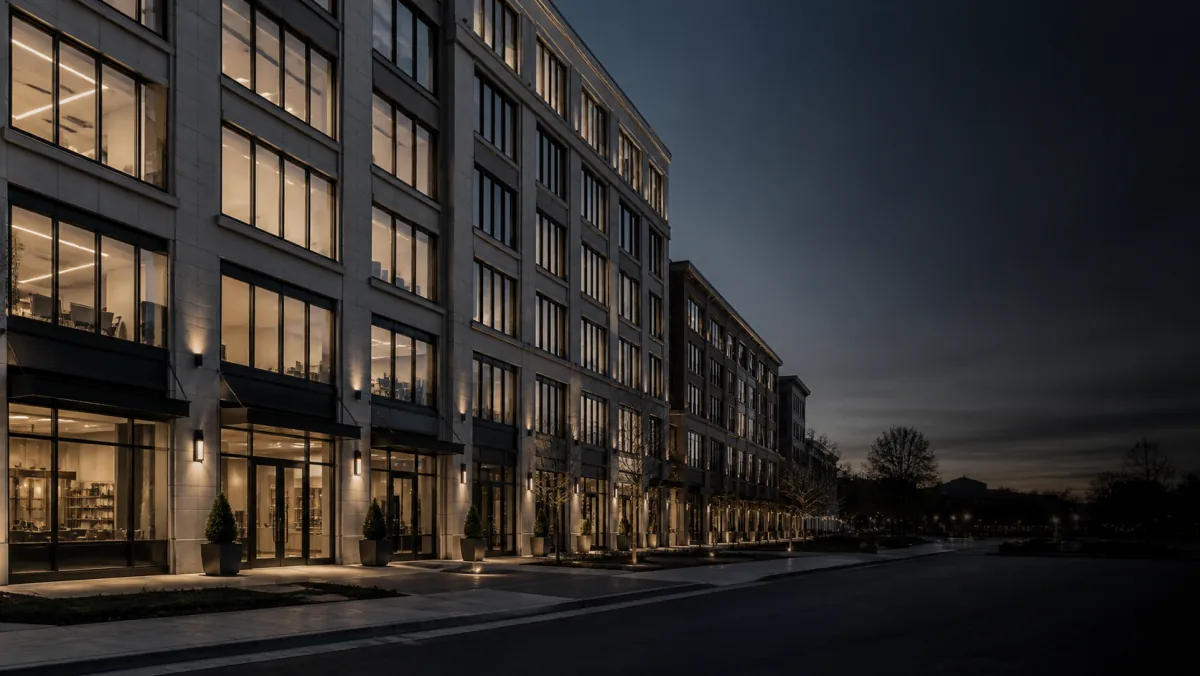
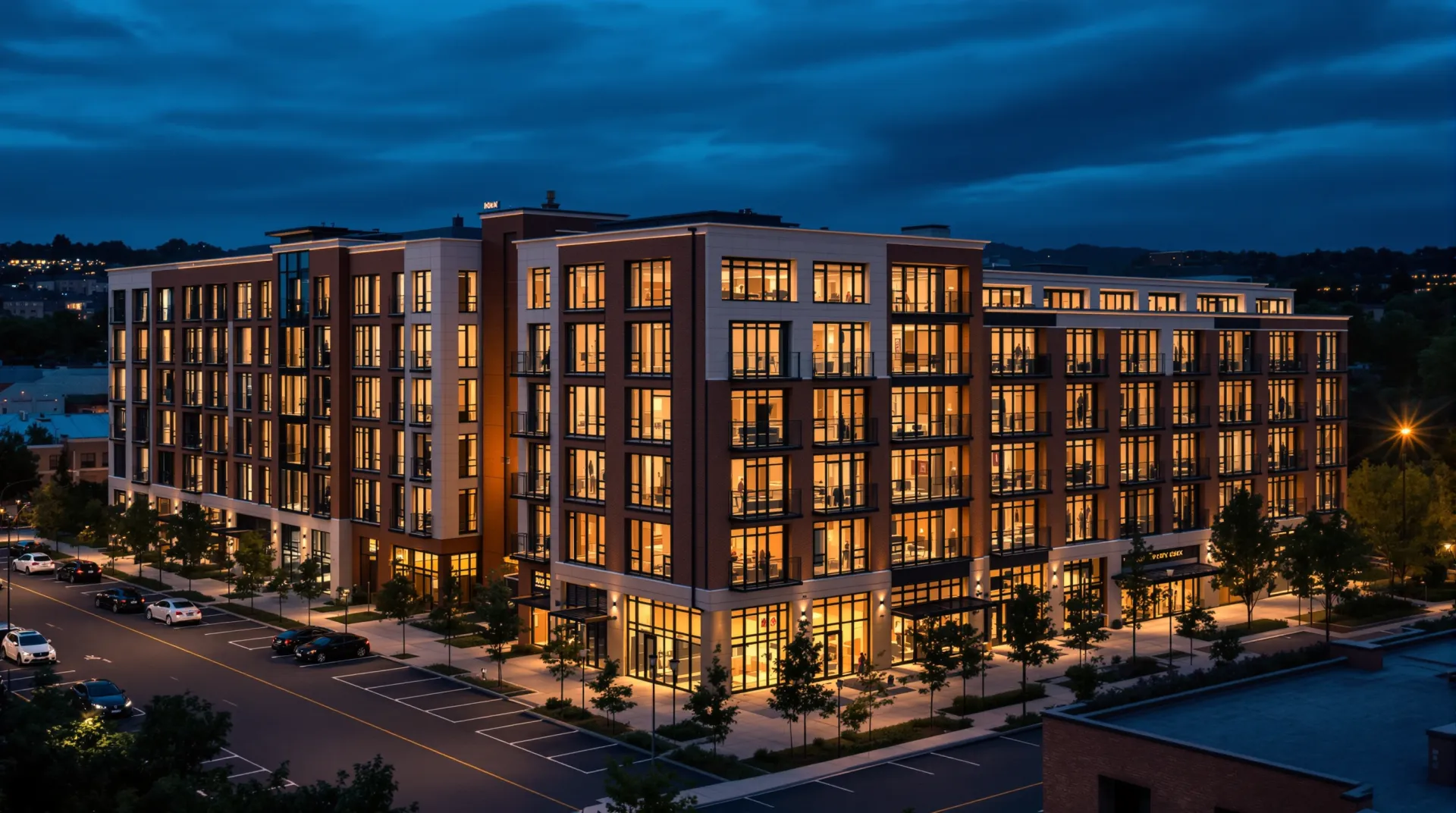
Illustrative renders of the property types we study across South Carolina, not photographs of specific projects.
What a South Carolina commercial study looks like
Representative engine outputs on modeled buildings — "accelerated" is the share of depreciable basis moved into 5-, 7- and 15-year property instead of the 39- or 27.5-year class. The Upstate plant sits above a plain warehouse because its equipment-serving power, air and process systems reclassify. Your result depends on the property; each page shows the full component detail behind its number.
Common accelerated assets on a South Carolina commercial property
Before we ask for anything, here is the kind of component an engineered study separates out and reclassifies — much of it equipment infrastructure and site work a closing file never describes:
- High-amp power to production equipment
- Compressed air & process systems
- Cranes & equipment foundations
- Truck courts & loading docks
- Drainage, retention & detention
- Medical & lab build-out
- Pools, decks & amenities
- Parking, paving & site lighting
- Backup & emergency power
- Tenant improvements & finishes
How the virtual site visit works
On South Carolina commercial property the components that carry the most value, such as the power, air, process and crane infrastructure that feeds a plant's machines, dock equipment and drainage on a port-corridor site, medical build-out, and the pools and parking of an apartment community, are the ones a closing file never captures. When a walkthrough would improve the study, we do it with you on a video call, about 30 to 45 minutes, at no charge. Our team decides when it would help; it is not something you need to order.
Here is what happens: you walk the property with your phone while our analyst directs the camera to the components that matter, and our team prepares your study from that walkthrough together with your records and photos. Most commercial studies are delivered within about two weeks once we have your records. An in-person visit is available by quote; see how site visits work. Where records already support the components at issue, our remote engagement model applies and costs less.
How the engagement works
Ready to scope your building?
Tell us the property type, address, and basis. We generally return a written scope and quote within one business day — or call the office at (213) 444-2776.