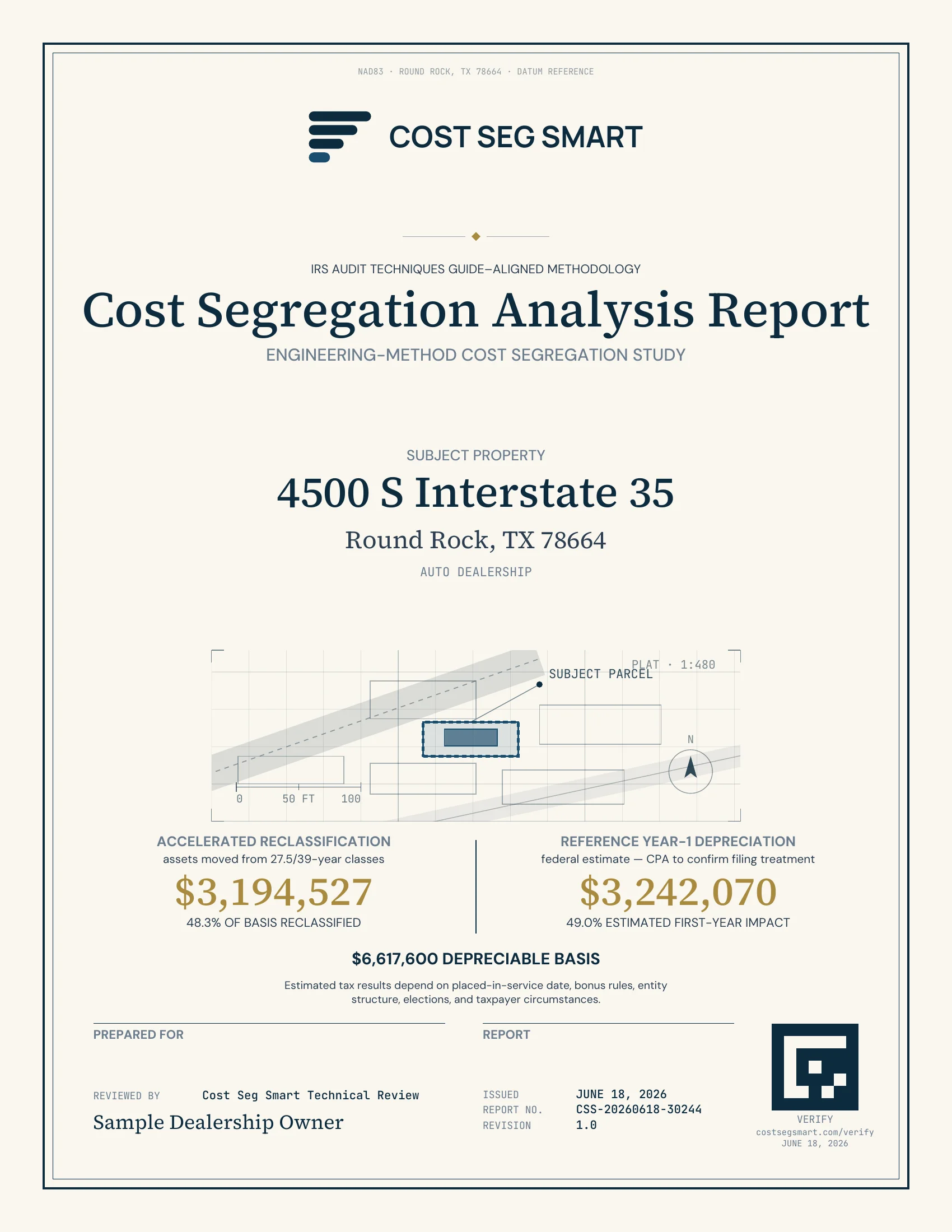
Airbnb Cost Segregation: 2026 Guide with Real Numbers
Furnished STRs typically reclassify 19–39% of basis (most often around 26%), against 9–32% for an unfurnished single-family rental. Joshua Tree case: $650K Airbnb, $59K Year-1 federal savings.

Furnished STRs typically reclassify 19–39% of basis (most often around 26%), against 9–32% for an unfurnished single-family rental. Joshua Tree case: $650K Airbnb, $59K Year-1 federal savings.
Airbnb and short-term rental owners get outsized benefits from cost segregation because furnished STR properties typically reclassify 19–39% of depreciable basis into accelerated 5-year, 7-year, and 15-year MACRS asset classes, most often around 26% — compared to around 16% for an unfurnished single-family rental. The difference is furniture, fixtures, and equipment (FF&E): beds, appliances, kitchenware, linens, electronics, outdoor furniture, and decor all qualify as 5-year personal property under IRS rules. At the typical 26%, a $500,000 to $750,000 Airbnb with 20 percent of the price in land moves roughly $104K to $156K into first-year deductions when combined with 100 percent bonus depreciation. With material participation under IRC Section 469 (average guest stay of 7 days or fewer and 100+ hours per year of active management), these depreciation losses can offset W-2 and other active income — a benefit unavailable to most passive long-term rental investors. Cost segregation studies for STR properties start at $495 and are delivered usually by the next business day — the full product breakdown is on our short-term rental cost segregation page. Compare what drives cost segregation study cost.
What Counts Toward the 100-Hour Material Participation Test
To offset W-2 income with STR losses, you need to materially participate (100+ hours/year, more than anyone else). Here’s what counts:
- Guest communication — booking inquiries, check-in instructions, reviews, issue resolution
- Cleaning coordination — scheduling turnovers, inspecting units, managing cleaning crews
- Pricing and revenue management — adjusting rates, monitoring competitors, seasonal strategy
- Maintenance and repairs — coordinating contractors, handling emergencies, property inspections
- Furnishing and restocking — replacing linens, kitchenware, consumables, decor updates
- Bookkeeping — expense tracking, receipt management, tax document organization
- Listing optimization — photography, description updates, platform management
Document your hours. A simple spreadsheet or calendar log is sufficient. The IRS tests this per-property, per-year. Most hands-on Airbnb hosts clear 100 hours without realizing it.
The Airbnb Tax Opportunity You’re Missing
Cost segregation for Airbnb and short-term rental properties is an IRS-recognized engineering-based tax strategy that reclassifies building components from the standard 27.5-year depreciation schedule into shorter 5-year, 7-year, and 15-year MACRS asset classes. For a typical $500,000 to $1,000,000 vacation rental, this reclassification accelerates $20,000 to $80,000 in depreciation deductions into Year 1. STR properties benefit disproportionately because they contain $30,000 to $50,000 or more in furniture, appliances, and equipment that qualifies as 5-year personal property under IRS rules. With 100% bonus depreciation permanently restored under the One Big Beautiful Bill Act (signed July 2025), the full accelerated amount is deductible immediately. When combined with material participation (average guest stay of 7 days or fewer), these losses can offset W-2 and other active income — a benefit unavailable to most long-term rental investors. See Real Numbers for Your Airbnb
We’ve built detailed cost segregation breakdowns for Airbnb properties at every price point — $300K, $500K, $750K, and $1M. View $500K Airbnb Breakdown →
What Is Cost Segregation? (The 60-Second Version)
Here’s the beautiful thing about cost segregation: it’s not some shady tax trick. It’s a legitimate engineering-based approach to property valuation that the IRS fully endorses. Instead of writing off your entire property over 27.5 years, a cost segregation study breaks your property into its individual components—and it turns out, the IRS lets different components depreciate at different rates.
Think about what you actually bought. You didn’t just buy a building. You bought appliances, cabinetry, flooring, light fixtures, door handles, landscaping, paving, a roof, electrical systems, plumbing, and furnishings. Some of these items have much shorter useful lives than the building itself. That makes sense, right? A dishwasher doesn’t last 27.5 years. Your carpet replacement cycle is probably 7 to 10 years. Furniture typically lasts 5 to 7 years with regular use in a rental setting.
A cost segregation study takes your property and reclassifies these shorter-lived components into buckets: 5-year property, 7-year property, and 15-year property. With bonus depreciation rules (which allow you to deduct the full value of qualifying property in Year 1), you can take massive deductions immediately instead of spreading them over decades. For an Airbnb investor, this means accelerated deductions in the very first year you own the property.
What a cost segregation study actually changes.
| Metric | Without cost seg | With cost seg + 100% bonus |
|---|---|---|
| Year-1 depreciation | ~$14,500 | ~$120,000 |
| Year-1 tax savings | ~$5,400 | ~$44,400 |
| Study cost | N/A | $895 |
| Delivery time | N/A | Next business day (most residential) |
| Offsets W-2 income? | No (passive only) | Yes — with material participation |
Why Airbnb Owners Benefit More Than Anyone
Regular buy-and-hold rental investors get real benefits from cost seg. But Airbnb and short-term rental investors? You’re basically living in a tax advantage paradise, and cost segregation is the crown jewel. Plug your purchase price into the cost segregation calculator to see what you’d reclassify before reading further.
Here’s why: STR investors furnish heavily. You’re not buying a blank building and renting it unfurnished. You’re creating an experience. You’ve invested $30,000, $50,000, or more in furniture, bedding, kitchen equipment, televisions, artwork, outdoor furniture, hot tubs, and decor. Without a cost seg study, all of that gets capitalized as part of the building and depreciates over 27.5 years. You barely notice the tax benefit.
With a cost seg study, you separate out all of that property as 5-year depreciable assets. That same $30,000-$50,000 in furniture and equipment gets its own depreciation schedule, and you can claim the full amount in Year 1 if you use bonus depreciation.
But there’s an even bigger advantage unique to STR investors: material participation status. The IRS has something called the “passive activity loss” rule, which normally limits how much rental losses you can deduct against your W-2 or 1099 income. However, the IRS carved out a special exception for real estate professionals and people who “materially participate” in their rental business. For STRs, the IRS sets the bar at a 100-hour-per-year test. If you spend more than 100 hours per year actively managing your Airbnb property (and most hosts do—handling guest communication, cleaning schedules, maintenance, turnover), you qualify for material participation. See our detailed guide to material participation requirements for all seven IRS tests.
This means your rental losses are NOT passive. They’re active business losses. They can offset your W-2 salary, your 1099 consulting income, your business profits—whatever. Combine material participation with cost seg depreciation, and you’ve just created a legitimate tax-reduction machine. For the full breakdown, see how STR cost segregation losses offset W-2 income. That’s why savvy STR investors rely on short-term rental cost segregation as their top tax strategy.
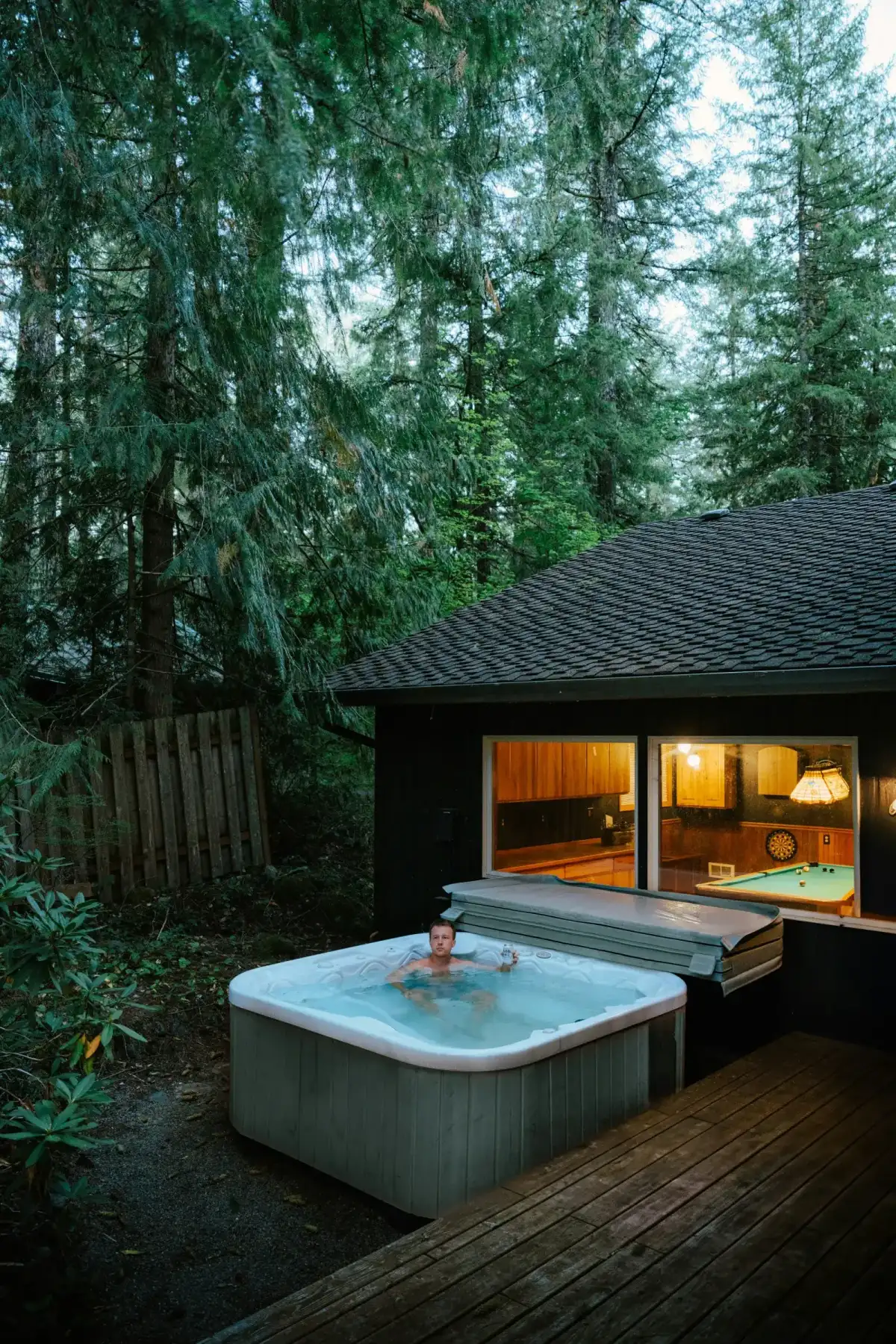
What Components Get Reclassified?
A cost segregation study is essentially a detailed property breakdown conducted by engineers and CPAs. They walk through (or in modern studies, use remote valuation data and engineering databases for) your property and classify every component into its appropriate depreciation category. For Airbnb owners, let me walk you through what typically gets reclassified.
Five-Year Property is the big winner. This is where most of your Airbnb-specific assets live. All appliances—your dishwasher, refrigerator, stove, microwave, coffee maker—depreciate over 5 years. All cabinetry and countertops. Carpet and vinyl flooring (tile and wood are different). Ceiling fans, light fixtures, bathroom fixtures, door hardware, window treatments, mirrors, and shelving. For STRs specifically, virtually all furniture gets classified here: beds, couches, chairs, tables, dressers, desks. Your televisions and electronics. Linens, towels, kitchenware, decorative items, artwork. If it’s not a permanent structural component of the building, it’s probably 5-year property.
Seven-Year Property captures certain specialized fixtures and some artwork and decorative improvements. This is typically a smaller bucket for most properties, but it’s worth mentioning.
Fifteen-Year Property includes qualified leasehold improvements, but more importantly for your Airbnb: land improvements. This is where your fencing, landscaping, paving, sidewalks, outdoor lighting, patios, decks, retaining walls, sprinkler systems, and pools land. These are items that improve the land and have useful lives longer than 5 years but shorter than the building itself.
Hear From an Airbnb Owner Who Did This
This STR investor ordered a cost segregation study and used the accelerated depreciation on their next tax return.
A Worked Example: Your Money, Right Now
Let’s make this concrete. Imagine you just bought a 3-bedroom, 2-bathroom Airbnb property in Scottsdale for $650,000. You spent another $40,000 furnishing it beautifully: nice beds, a quality kitchen setup, outdoor furniture, hot tub, and decor. Total investment: $690,000.
If you don’t do a cost segregation study, here’s your depreciation: the building ($650,000) depreciates at roughly 3.6% per year under straight-line depreciation over 27.5 years, giving you about $23,636 in annual depreciation deductions. The $40,000 in furniture? It also gets absorbed into the building for the same 27.5-year schedule. Your total first-year depreciation deduction: approximately $23,636.
Now, let’s say you do a cost segregation study. The engineers determine that roughly $60,000 of the building cost represents 5-year and 15-year property (appliances, flooring, fixtures, landscaping, etc.), and the full $40,000 in furniture is 5-year property. That’s $100,000 in component property right there. Let’s say another $35,000 gets reclassified to 15-year land improvements (pool, patio, landscaping details).
Under 100% bonus depreciation (restored permanently by the One Big Beautiful Bill Act in 2025), both the $100,000 in 5-year property and the $35,000 in 15-year property are fully deducted in Year 1. So your total Year 1 deduction jumps to approximately $135,000 instead of $23,636.
At a combined federal and state tax rate of 37%, that’s roughly $50,000 in estimated tax impact in Year 1 from the cost seg study. The study cost you as little as $895. That’s a return on investment of about 56x in the first year alone. And the deductions continue for the 15-year property in subsequent years. Even accounting for future depreciation recapture when you sell the property, the present-value tax benefit is substantial.
| Step | What Happens | Dollar Impact |
|---|---|---|
| Purchase | $650K property + $40K furnishings | $690,000 total |
| Land allocation (20%) | Removed from depreciable basis | –$130,000 |
| Depreciable basis | What’s left to depreciate | $560,000 |
| Without cost seg | 27.5-year straight-line | $20,364/year |
| With cost seg (30%) | 5/7/15-year property identified | $168,000 accelerated |
| Year 1 + bonus | Full $168K deducted immediately | $168,000 |
| Tax savings (37%) | ~$62,000 in Year 1 | |
| Study cost | $895 |
Illustrative example. Actual reclassification percentages and tax savings vary by property.
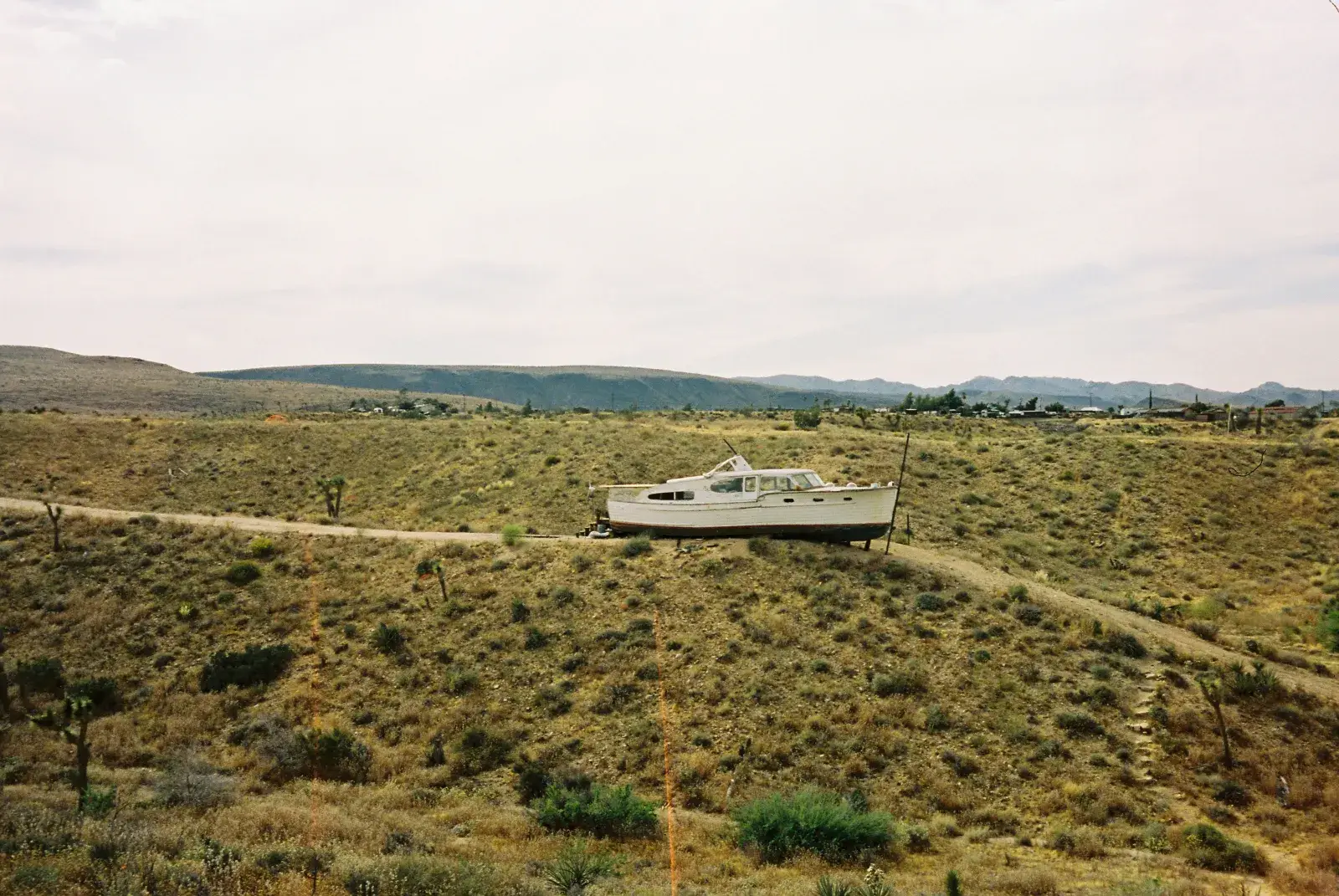
$650K vacation rental · 3-bedroom · 42-page report
Consider an out-of-state owner’s 3-bedroom Joshua Tree STR, modeled with illustrative figures — a market where cost segregation has an outsized impact because of the outdoor/desert landscape investments and furnished-rental density.
The breakdown:
- 5-year property ($107,250) — furniture, appliances, hot tub, fire pit hardware, smart locks
- 7-year property ($14,625) — specialty fixtures, decorative finishes
- 15-year property ($39,000) — driveway, hot-tub deck, landscaping, outdoor lighting
- 100% bonus depreciation (permanent under OBBBA) → full $160,875 deductible in Year 1
- Material participation assumed — the example assumes the owner logs 100+ hours of guest management and maintenance
- W-2 offset — with material participation, the STR loss can offset W-2 income
66× return on the $895 study fee before considering ongoing depreciation benefits in years 2–15.
Representative of Joshua Tree market study results in Q1 2026. Individual property outcomes vary by age, condition, furnishings density, and land allocation. For the desert-specific components (xeriscape, septic, wells, gravel drives) and the California tax angle, see cost segregation in Joshua Tree, CA.
Year 1 / Year 5 / Year 10 Comparison: With vs Without Cost Seg
On a $500,000 Airbnb with a typical 25% land allocation and 37% federal marginal tax bracket, here’s what cumulative deductions and tax savings look like with and without a cost segregation study:
| Cumulative through… | Without Cost Seg | With Cost Seg | Extra Year-1 Cash |
|---|---|---|---|
| Year 1 deduction | $13,636 | $123,750 | +$110,114 |
| Year 1 tax savings @ 37% | $5,045 | $45,787 | +$40,742 |
| Year 5 cumulative deduction | $68,182 | $175,614 | +$107,432 |
| Year 5 cumulative tax savings | $25,227 | $64,977 | +$39,751 |
| Year 10 cumulative deduction | $136,364 | $235,614 | +$99,250 |
| Year 10 cumulative tax savings | $50,455 | $87,177 | +$36,723 |
Assumes a $500K Airbnb at 25% land allocation, 33% reclassification into 5/7/15-year MACRS classes, 100% bonus depreciation (PY 2025+), and a 37% federal marginal bracket. Without-cost-seg case uses standard 27.5-year straight-line on $375K depreciable basis. Net-present-value difference is larger than cumulative — the time value of the Year-1 deduction compounds over the holding period.
How to Actually Claim These Deductions
Here’s the beautiful part: it’s actually simple. You don’t need to hire an engineer to visit your property in person. You don’t need to wait 6 weeks for a report. Modern cost segregation studies are conducted remotely using engineering databases, property valuation data, and standard building component assumptions based on your property type and acquisition cost.
Here’s the process: You provide your property details—purchase price, description, any significant improvements or customizations. The cost segregation firm (like Cost Seg Smart) compiles this into an engineering report using established methodologies and IRS-recognized valuation databases. In the next business day in most cases, you receive a CPA-ready PDF report that breaks down your property component by component, with depreciation schedules. (Comparison shoppers: a third-party comparison of 10 Airbnb-focused providers, ranked $495–$8K, is published at costsegregationreviews.com.)
You hand that report to your CPA. If you’re doing a lookback study (claiming missed depreciation from a prior year), your CPA files a Form 3115 Application for Change in Accounting Method with the IRS. If you’re applying it to your current-year return, your CPA simply applies the schedules to your depreciation schedules on your tax return. The IRS has established cost segregation methodologies, so as long as the study uses one of these standard approaches, you’re on solid ground.
What About Properties You Bought Years Ago?
One of the best-kept secrets about cost segregation is that you don’t need to use it only on new purchases. The IRS allows something called a “lookback study” or “catch-up study” if you’ve owned a property for years without having a cost seg study prepared.
Here’s how it works: You can go back and file a Form 3115 with the IRS, claiming a change in accounting method, and retroactively claim the cost segregation benefits for prior years. All of that accumulated depreciation that you missed hits in your current tax return year. You don’t need to amend prior returns individually. It all gets picked up when you file the 3115.
Cost segregation lookback studies fall under the IRS’s automatic consent procedures, so there’s no separate IRS approval step — your CPA files the Form 3115 with your tax return. Your CPA will charge for their time preparing the filing, but that cost is typically modest relative to the potential benefit. If you’ve owned an Airbnb for several years and never done a cost seg study, the cumulative missed accelerated depreciation could be substantial — and it all flows through your current-year return.
Should You Buy an Airbnb FOR Cost Segregation?
This comes up a lot, so let’s be direct: cost segregation is a tax benefit on an investment you’re already making. It should not be the reason you buy a property.
The numbers are real — a $500K Airbnb can generate $40,000–$60,000 in Year 1 tax savings. But those numbers assume you have taxable income to offset, that you’ll materially participate, and that you’ll hold the property long enough to justify the eventual depreciation recapture at sale. If the deal doesn’t pencil on cash flow without the tax benefit, the tax benefit won’t save it.
Where cost seg genuinely changes the math: W-2 earners at 32%+ brackets who are buying STRs they’d buy anyway. If you’re already evaluating a deal and the cash flow works, cost segregation makes a good deal significantly better — it compresses 5–10 years of depreciation into Year 1. That’s real capital efficiency. It’s just not a reason to buy a bad deal. If you just closed on your first property, our first-time Airbnb cost seg playbook walks through exactly what to do in Week 1.
Should you do this?
A cost seg study probably makes sense on your Airbnb if any of these are true:
- You bought or placed the property in service in the last 1–7 tax years. You can do a lookback study via Form 3115 without amending old returns.
- Your purchase price is at least $250K. Below that, the study fee eats too much of the savings.
- You materially participate (100+ hours/year managing the property, more than anyone else) AND your average rental period is 7 days or less. This is what unlocks W-2 offset.
- The property is furnished. Furniture, appliances, hot tubs, and game-room equipment are 5-year property — where most of the upside comes from.
- You have a Year-1 tax bill the deduction can actually reduce. No tax bill, no benefit.
It probably doesn’t make sense if your STR is rented for periods averaging 8+ days (no STR loophole — falls under regular passive rules), if it’s a co-host arrangement where you don’t materially participate, or if you bought under $200K. The math gets thin fast.
Scenarios above are illustrative. Outcomes depend on property type, land allocation, tax bracket, and material participation. Confirm with your CPA before filing.
The Bottom Line for Your Airbnb
If you own an Airbnb property and haven’t done a cost segregation study, you’re very likely leaving $15,000 to $50,000+ in first-year depreciation deductions unclaimed. These aren’t theoretical—they’re real reductions in your tax liability, assuming your property is generating income to offset. See what your Airbnb would save — takes 60 seconds.
For a study starting at $495, the ROI is almost impossible to beat. Even accounting for future depreciation recapture (the difference between the tax deductions you claim and the actual economic depreciation of the property, which gets recaptured as gain when you sell), the math strongly favors getting a study done sooner rather than later.
The tax code changes periodically. Bonus depreciation rules have sunset dates. Material participation rules can be complex. The longer you wait, the more you might lose out on these benefits. If you’re serious about maximizing your Airbnb investment returns, a cost segregation study should be at the top of your tax planning checklist.
Cost Seg Smart is the modern cost segregation company. Reports delivered in a day or two, not six weeks. Starting at $495, not $5,000. You spent six figures on your Airbnb property but won’t spend $895 to save $15,000-$50,000 in taxes? This isn’t just for people who can afford five-figure studies. Everyone who owns a short-term rental should be doing this. Order your study → and the report lands in your inbox usually by the next business day.
Frequently asked
How much can Airbnb owners save with cost segregation?
A typical $500K Airbnb property generates roughly $38,000 in year-one tax savings through cost segregation at the 37% federal bracket, at the typical 26% reclassification on $400,000 of depreciable basis. Furnished STR studies typically reclassify 19–39% of depreciable basis into accelerated 5-year and 15-year MACRS classes. With 100% bonus depreciation, the entire reclassified amount is deductible in year one.
Can Airbnb cost segregation deductions offset W-2 income?
Yes, if you materially participate in your STR operation. The IRS requires that your average guest stay is 7 days or fewer and that you spend at least 100 hours per year actively managing the property. Most hands-on Airbnb hosts meet this threshold through guest communication, cleaning coordination, pricing management, and maintenance oversight.
What Airbnb property components qualify for accelerated depreciation?
5-year property includes all furniture, appliances, flooring (carpet/vinyl), light fixtures, electronics, linens, hot tubs, and decorative items. 15-year property includes landscaping, driveways, fencing, patios, outdoor lighting, pools, and irrigation systems. These are reclassified from the default 27.5-year schedule.
How much does an Airbnb cost segregation study cost?
Cost Seg Smart delivers Airbnb cost segregation studies starting at $495 for properties under $1M. Studies are delivered in 3-5 business days as a 40+ page CPA-ready PDF. No site visit is required for most residential and small-commercial studies. Traditional firms charge $5,000-$15,000 and take 4-6 weeks.
Can I do cost segregation on an Airbnb I bought years ago?
Yes. A lookback cost segregation study allows you to claim missed accelerated depreciation from prior years. Your CPA files Form 3115 (Change in Accounting Method) with your current-year tax return, and all cumulative missed depreciation flows through in a single year. No need to amend prior returns.
Does cost segregation increase IRS audit risk for Airbnb owners?
No. Cost segregation is explicitly supported by IRS guidelines (Rev. Proc. 87-56) and the IRS Audit Techniques Guide for Cost Segregation. Tens of thousands of studies are filed every year. A properly prepared engineering-based study provides the documentation needed to withstand IRS scrutiny.
Is 100% bonus depreciation still available for Airbnb investors in 2026?
Yes. The One Big Beautiful Bill Act (signed July 2025) permanently restored 100% bonus depreciation for 2025 and all future years. Every dollar reclassified into 5-year, 7-year, or 15-year MACRS classes is fully deductible in the year of acquisition.
Do I need to live in my Airbnb to claim cost segregation?
No. Cost segregation applies to any depreciable investment property you own, whether or not you've ever stayed there. What matters for the W-2 offset is material participation — you need to actively manage the property (100+ hours/year, more than anyone else) and keep the average guest stay at 7 days or less. You don't need to live there at any point. Out-of-state hosts regularly qualify.
What if I have a property manager — can I still claim cost segregation on my Airbnb?
You can still claim cost segregation (the deduction itself), but a full-service property manager typically disqualifies you from the material participation test required to offset W-2 income. If your PM handles guest communication, cleanings, pricing, and maintenance end-to-end, the IRS presumes you are not materially participating. Co-hosts are different: if you split day-to-day operations and the PM handles cleanings only, you may still qualify. Document your hours either way.
How do I track material participation hours for my Airbnb?
A dated spreadsheet or calendar log is sufficient. Track the date, hours, and activity type (guest communication, pricing, cleaning coordination, maintenance, bookkeeping, listing optimization). Most hands-on hosts clear the 100-hour threshold in the first 3-4 months of the year without realizing it. The IRS examines participation per-property, per-year, so keep a separate log for each STR you own. Don't reconstruct hours after an audit notice — contemporaneous records hold up; retroactive ones don't.