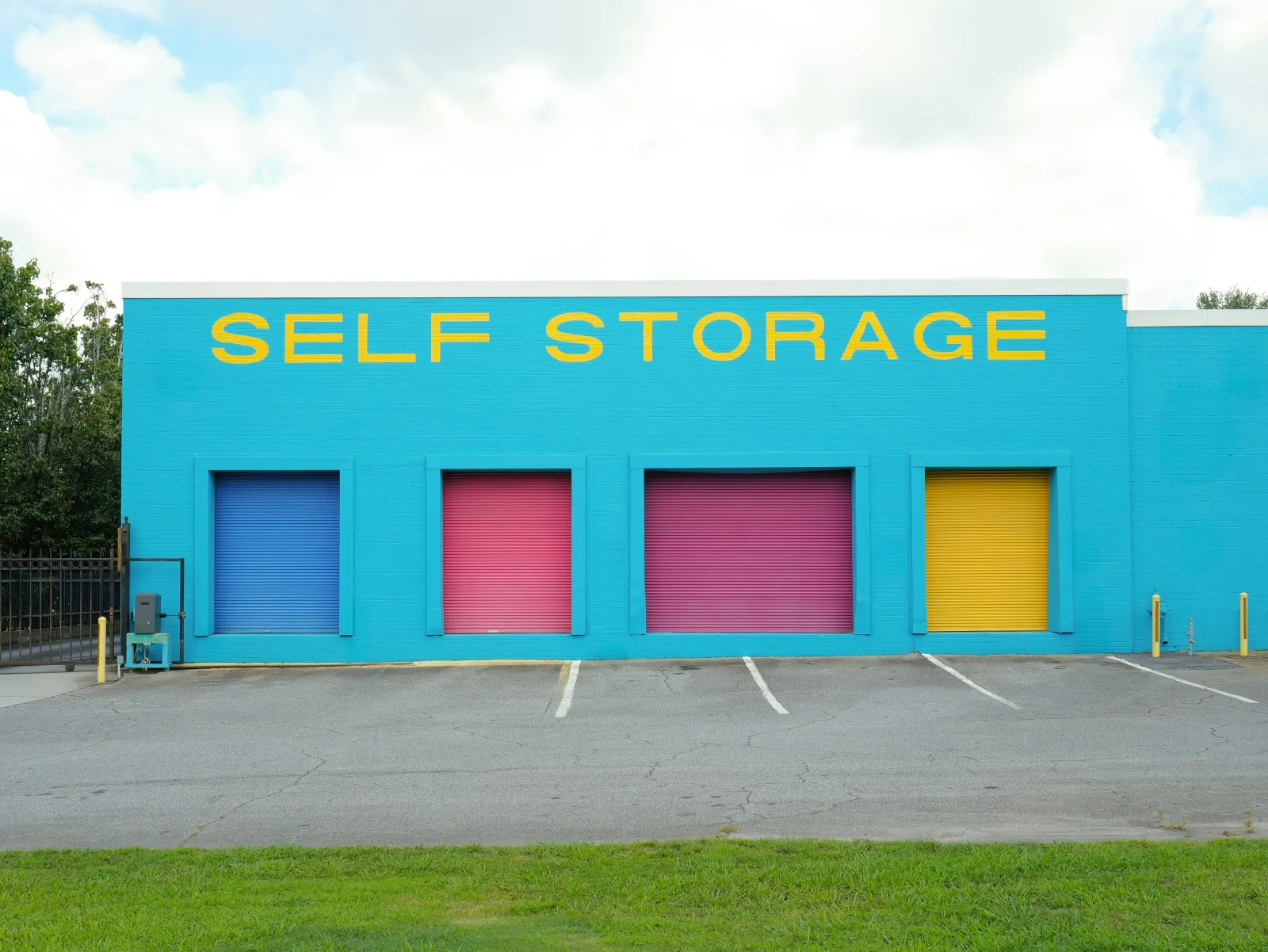
Dallas, TX · $3.0M
Drive-up facility, extensive paved drive aisles
Year-1 federal benefit
$217,000
A self-storage facility is a cheap shell on heavy site work: paved drive aisles, perimeter fencing, hundreds of roll-up unit doors, and security all reclassify out of the 39-year schedule.

Self-storage cost segregation is an engineering-based study that reclassifies a storage facility's components out of the default 39-year commercial schedule into faster 5-, 7-, and 15-year MACRS classes. A self-storage facility is a low-cost shell sitting on heavy site work, so two levers carry the study: the paved drive aisles, aprons, perimeter fencing and gates, and site lighting (15-year land improvements, usually the largest bucket because a drive-up facility sits on two to three times its footprint in paving), and the hundreds of roll-up unit doors plus the security, keypad, and camera systems (5-year personal property, scaling with unit count). With 100% bonus depreciation the reclassified amount (about 19–36% of building basis, more on a paving-heavy drive-up facility) is deductible in Year 1. Climate-control HVAC is captured when present.
Self-storage cost segregation reclassifies 19–36% of depreciable basis from the 27.5- or 39-year shell into 5-, 7-, and 15-year MACRS classes per 26 U.S.C. § 168 and Rev. Proc. 87-56. Under OBBBA's permanent 100% bonus depreciation (placed-in-service 2025+), reclassified components are deductible in year one. All credible cost-seg providers use the same federal framework — industry-standard 2026 construction cost data, MACRS classification, IRS Audit Techniques Guide (Pub 5653) compliance. What differs across property types is land-allocation share, FF&E weight, and material-participation eligibility under §469.
| Property type | Reclass to 5/7/15-yr | Year-1 federal benefit | Study cost |
|---|---|---|---|
| STR | 19–39% | $45K–$280K | From $495 |
| SFR | 5–32% | $10K–$165K | From $495 |
| Condo | 10–17% | $18K–$68K | From $495 |
| Brownstone | 5–20% | $60K–$640K | From $495 |
| Rowhouse | 5–18% | $10K–$170K | From $495 |
| Duplex | 13–21% | $31K–$105K | From $995 |
| Fourplex | 14–29% | $56K–$230K | From $995 |
| Office | 16–29% | $84K–$650K | From $1,995 |
| Retail | 20–37% | $90K–$690K | From $1,995 |
| Industrial | 15–28% | $78K–$840K | From $2,495 |
| Self-storage this page | 19–36% | $140K–$1.6M | From $2,495 |
| Medical office | 16–29% | $84K–$540K | From $2,995 |
| Mixed-use | 12–23% | $63K–$515K | From $1,995 |
| Multifamily | 14–28% | $44K–$200K | From $995 |
| Multifamily 5+ | 14–26% | $110K–$1.0M | From $1,995 |
| Triplex | 14–26% | $44K–$165K | From $995 |
| Restaurant | 16–29% | $72K–$430K | From $2,995 |
| Vet | 19–36% | $85K–$540K | From $2,995 |
| Gym | 21–40% | $110K–$900K | From $2,995 |
| Dealership | 25–47% | $465K–$4.2M | From $2,995 |
| ADU | 7–14% | $8K–$39K | From $495 |
| Commercial | 18–34% | $94K–$765K | From $1,995 |
| Data center | 43–65% | $2.5M–$29M | $4,995–$54,995 (sub-$100M); $100M+ by proposal |
| Senior living | 21–39% | $315K–$2.3M | By proposal |
| Funeral homes | 18–30% | $135K–$900K | By proposal |
| Child day care | 15–28% | $56K–$630K | From $2,995 |
| Adult day care | 14–26% | $78K–$780K | From $2,995 |
| Church | 10–22% | $37K–$825K | From $2,995 |
Reclassification ranges from internal benchmarks across 4,000+ studies; Year-1 federal benefit assumes 37% bracket and full first-year usability. Study costs are Cost Seg Smart pricing — comparable engineering studies elsewhere range $5,000–$15,000+. The ADU figure is an ADU acquired with a house; one the owner built or converted is priced on its documented construction cost, from $995. See full provider comparison.
Estimates assume 37% federal bracket and full first-year usability of the loss (active income offset or REPS). Your actual benefit varies with bracket, basis allocation, and CPA's treatment.
Pre-set to Self-storage defaults — adjust price + bracket to match your property.
Yes. A self-storage facility is a low-cost shell on heavy site work, so it reclassifies well: the paved drive aisles, perimeter fencing and gates, and site lighting are 15-year land improvements (usually the largest bucket), and the hundreds of roll-up unit doors plus the security and access-control systems are 5-year personal property. A typical facility reclassifies roughly 19–36% of basis, more on a paving-heavy drive-up site.
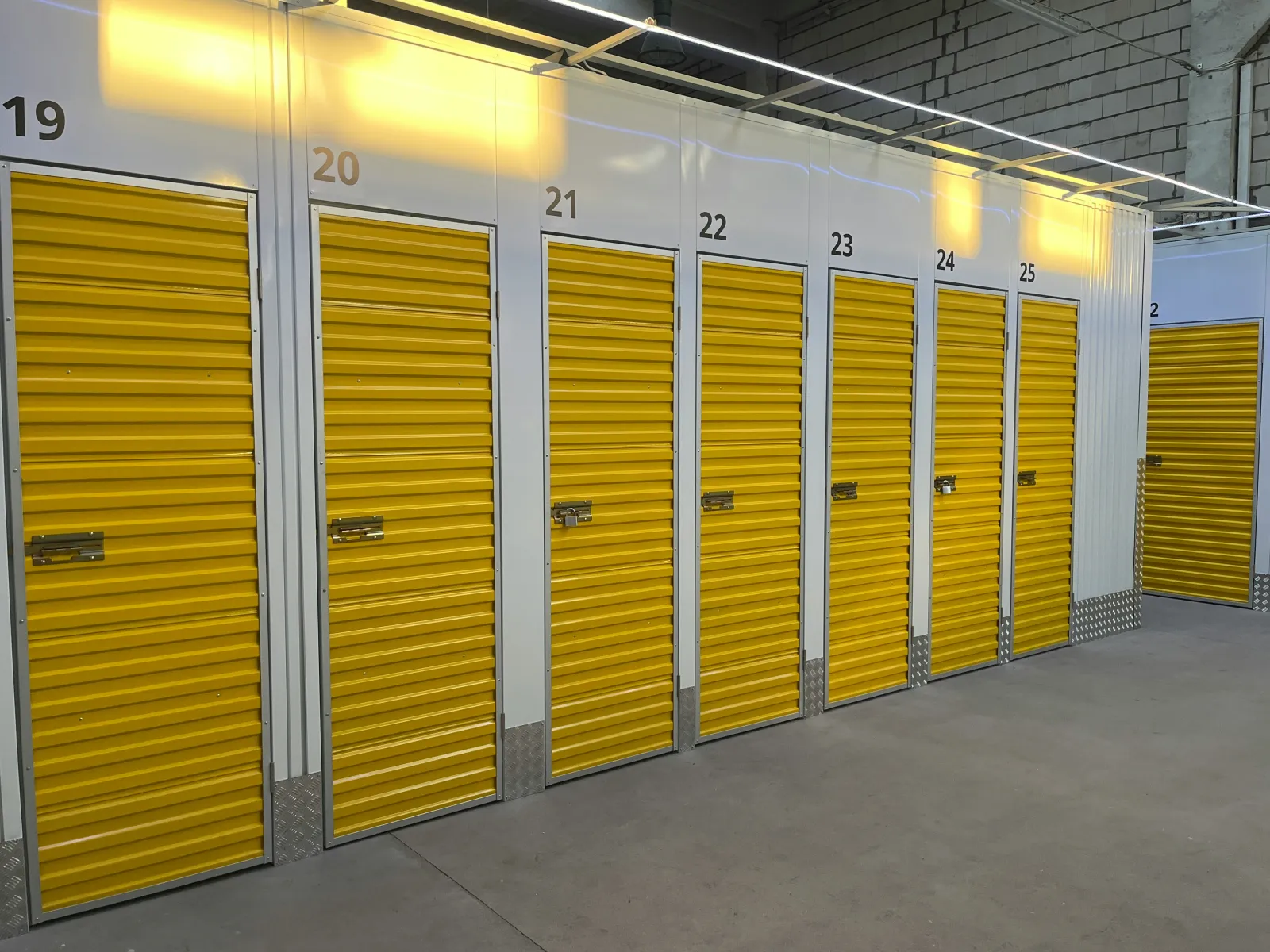
Generally yes. The per-unit roll-up doors serve the identifiable rental-storage function and are removable rather than load-bearing, so they are typically 5-year personal property, and because a drive-up facility has hundreds of them the total is meaningful. They scale with the unit count, which the study captures from the facility's actual configuration.
Yes. The paved drive aisles, aprons and loading lanes, perimeter fencing, gates and bollards, and site lighting are 15-year land improvements, not the 39-year period of the building. Because a drive-up facility sits on two to three times its footprint in paving, this site work is usually the single largest reclassification in a self-storage study.
Self-storage facilities have their own pricing tier by value: from $2,495 for a sub-$1M facility, $5,995 for a $2M–$4M facility, and $7,995 for a $4M–$7M facility, delivered as a CPA-ready PDF, usually the same business day. Portfolios above $15M are scoped per-engagement.
No. A lookback study lets you claim missed depreciation via Form 3115 on your current-year return under the IRS automatic-consent procedures, with no amended returns. The cumulative catch-up flows through in a single year.
Drop your email and we'll unlock all sample reports — STR, SFR, multifamily, commercial, per-city. No spam, no nag.
One email unlocks every sample on the site. We use it to send the reports + an optional 5-day cost-seg primer (unsubscribe anytime).