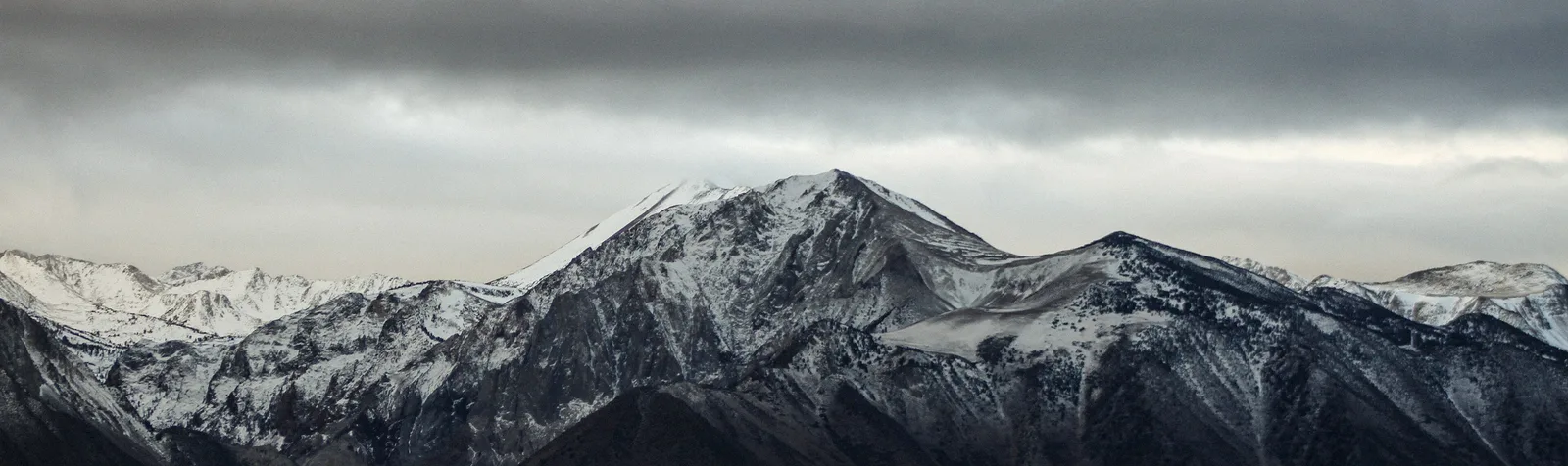
Mammoth Lakes sits at about 8,000 feet on the eastern side of the Sierra Nevada, five hours from Los Angeles and rather more from the Bay Area. It is a genuine two-season resort — deep winter snowpack and a summer built on the Ansel Adams Wilderness, the Devils Postpile and the June Lake Loop — and it is overwhelmingly a condominium market.
That last fact governs the tax answer, so we will put it first. The modelled example reclassifies 11.7% of depreciable basis, one of the lowest figures on this site, and its 15-year bucket is $5,807 against $74,087 of 5-year. In a condominium you depreciate your unit. The shared pools and spas, the underground parking, the gondola-side plazas, the snow-melt systems, the landscaping and the private roads all belong to the association. Nearly the entire 15-year class — which on a detached mountain house runs 20–40% of the reclassified total — is simply not yours.
That is not a defect in the study. It is the correct answer for a condominium, and it is worth knowing before you pay for one rather than after.
- $79,894 accelerated into 5- and 15-year property
- $77,594 additional Year-1 depreciation
- $28,710 estimated Year-1 federal tax at the 37% bracket
Want a number for a specific Mammoth property? Use the calculator. It is pre-set with property-type defaults you can adjust to match your basis and bracket.
Mammoth Lakes Investment Snapshot
- Representative price range $425K–$700K (studio or 1BR condo); $750K–$1.4M (2–3BR ski-in condo or townhome); $1.5M–$4M+ (detached house, Sierra Star, Snowcreek)
- Season two — roughly November into June in a strong snow year, then July through September
- Common property types ski-in condo, Village townhome, Old Mammoth condo, detached Sierra Star or Snowcreek house, June Lake cabin
- California income tax graduated to 13.3% top marginal rate, the highest in the country
- Bonus depreciation California does not conform to federal §168(k) at all
- Lodging tax Mammoth Lakes transient occupancy tax plus tourism assessment
- Typical land share 18–28% of price
- Representative Year-1 federal benefit $16,000–$120,000 depending on basis and property type
The Mammoth Market
Canyon Lodge and Eagle Lodge are the ski-in condominium clusters — the highest rental demand and the densest inventory. Prices run $525K–$1.3M depending on size and lift proximity.
The Village at Mammoth is the newer pedestrian core with the gondola, restaurants and the most amenity-rich buildings. Also the highest HOA dues, and correspondingly the largest share of what you experience being association property.
Old Mammoth Road holds the older, cheaper condominium stock — smaller units, further from lifts, and the entry point for most investors.
Sierra Star and Snowcreek are where the detached and townhome inventory lives, and for cost segregation this matters: a detached house on its own lot with its own drive, deck and landscape reclassifies well above the 11.7% a condo produces.
June Lake, twenty minutes north, is a smaller and cheaper alternative with its own ski hill and a devoted summer following.
Crowley Lake to the south is fishing-driven and largely residential.
The regulatory fact that matters: Mammoth Lakes permits nightly rental only in designated transient-occupancy zones, and a unit outside those zones cannot legally rent short-term regardless of what a listing platform allows. Buildings differ, and the answer is per-property. Confirm it before anything else.
Why Cost Segregation Hits Different in a Condo Resort
Association ownership removes most of the 15-year class. The pools, spas, parking structures, snow-melt systems, plazas, landscaping and roads are common elements. Your schedule covers your unit.
What remains is concentrated in interior 5-year property, which is 93% of the reclassified total in the modelled example. That makes the interior inventory the whole ballgame: furnishings, appliances, floor coverings, decorative lighting, window treatments, and unit-serving HVAC. A study that estimates these from a purchase price rather than a component analysis leaves most of the available benefit unclaimed — and in a condo there is nothing else to fall back on.
High-altitude turnover is hard on interiors. Ski boots, snow, sustained dry air at 8,000 feet and heavy winter occupancy shorten the life of carpet, plank flooring and upholstered furniture. Each replacement is a new 5-year asset, which makes the multi-year picture here as important as Year 1.
Renovated units document better. A condo taken to the studs produces line-item invoices for exactly the categories a condo study depends on.
If you have the choice, understand the detached comparison first. A Sierra Star or Snowcreek house at a higher price reclassifies at roughly double the percentage, because the site work returns to your schedule. The rental economics differ too — condos rent more easily near the lifts — so this is a real trade rather than a simple answer.
Worked Example — Mammoth Lakes
A 2-bedroom ski-in condominium, roughly 1,400 square feet, built in 1998, acquired for $875,000 and placed in service in March 2026. Land is taken at 22% of price. Depreciable basis lands at $682,500.
Running that property through our engine produces $79,894 of reclassified property, or 11.7% of depreciable basis:
| Class | Amount | What it is |
|---|---|---|
| 5-year | $74,087 | Furnishings, appliances, floor coverings, decorative lighting, window treatments |
| 7-year | $0 | No qualifying built-in casework on this archetype |
| 15-year | $5,807 | The limited site work attributable to the unit |
| Total | $79,894 |
Under 100% bonus depreciation the additional Year-1 deduction is $77,594. At a 37% federal bracket that is $28,710 in Year-1 federal tax.
The $5,807 in the 15-year row is the point. Compare the Steamboat Springs detached house at $64,167, or the Hocking Hills cabin at $24,958. If a provider quotes you a Mammoth condo study with a 15-year figure in the tens of thousands, ask which specific improvements they believe you own.
What is real and what is assumed. The split is a real engine run. The inputs are a representative ski-in condominium, not a specific address.
Who Is Doing This in Mammoth
The Southern California buyer dominates — Los Angeles, Orange County, San Diego — and the five-hour drive makes this a long-weekend property. Personal use tends to be substantial, which brings §280A into play.
The Bay Area buyer is a smaller cohort at a longer drive, generally renting harder.
The detached-property owner in Sierra Star or Snowcreek is buying a different asset with a materially different tax profile, and often does not realise it until a study is run.
CA Tax Considerations
California levies a graduated income tax reaching 13.3%, the highest state rate in the country. That raises the value of any deduction — and California’s treatment is the least generous of any state we cover.
California does not conform to federal bonus depreciation under §168(k) at all. California has never adopted bonus depreciation for personal income tax purposes. It also decouples from §179 limits and uses its own depreciation conventions. The practical effect is a genuine two-track calculation: you take the full federal Year-1 deduction, and you compute California depreciation entirely separately on a regular MACRS schedule with California’s own rules. Your basis and accumulated depreciation will diverge between the two systems for the life of the asset, and that divergence has to be tracked — including at sale, where the California gain calculation differs from the federal one.
This is more than deferral. It is a parallel set of books, and it is the strongest reason on this page to have a CPA who handles California rental property rather than a general practitioner.
Mammoth Lakes levies a transient occupancy tax plus a tourism business improvement district assessment on short-term stays, collected from the guest and remitted.
Common Mammoth Investment Properties
- The ski-in 2BR condo, $750K–$1.3M, strongest rental demand, lowest reclassification percentage
- The Old Mammoth studio or 1BR, $425K–$700K, lowest entry
- The Village townhome, more unit-attributable site work than a stacked condo
- The Sierra Star or Snowcreek detached house, roughly double the reclassification percentage
- The June Lake cabin, cheaper, smaller market, detached
Depreciable Features We Commonly See in Mono County
For condominium units: full furniture packages, appliance packages, floor coverings rated for ski-boot traffic, decorative lighting, window treatments, in-unit washer and dryer, unit-serving HVAC, built-in casework where present, and gas fireplace inserts. Ski and boot storage millwork. Not the building’s pools, spas, parking structure, snow-melt systems, plazas, landscaping or roads.
For detached Sierra Star and Snowcreek properties, add what a condo owner does not get: driveway on grade with ice management, decks and stairs, hot tub and pad, retaining and snowmelt drainage, landscape, exterior lighting, and propane infrastructure.
What People Worry About (and What Actually Happens)
“11.7% seems very low.” It is low, it is correct for a condominium, and it is why this page leads with it rather than burying it below a worked example.
“Can I count part of the building’s pool?” No. Common elements belong to the association.
“California doesn’t conform at all?” Correct. Not deferral — a separate parallel calculation with its own basis and its own consequences at sale. Get California-experienced advice.
Why Cost Segregation Works for Mammoth Nightly Rentals
Mammoth rentals run on three- and four-night ski stays and summer weekends, which puts average guest stay well under seven days and places a property inside the short-term rental exception under §469 — not automatically a passive rental activity, so an owner who materially participates may be able to apply losses against non-passive income. Two Mammoth-specific caveats: the unit must sit in a transient-occupancy zone to rent nightly at all, and heavy owner use from Southern California can trigger the §280A personal-use limitation.
Who This Example Applies To
The worked example assumes a 37% federal bracket, 100% bonus depreciation, a March 2026 placed-in-service date, a 22% land share, and a condominium unit. At a 32% bracket, scale the Year-1 federal figure by roughly 0.86. For a detached house, expect roughly double the percentage.
Compare: Mammoth Properties at Different Price Points
| Price | Typical property | Rough basis at 22% land | Indicative Year-1 federal at 37% |
| $525,000 | 1BR Old Mammoth condo | $409,500 | $15,000–$18,000 |
| $875,000 | 2BR ski-in condo | $682,500 | $28,710 (modelled above) |
| $1,750,000 | 4BR detached Snowcreek house | $1,365,000 | $95,000–$110,000 |
Note the third row: a detached house at twice the price produces more than three times the benefit, because the site work returns to your schedule. Rows other than the modelled one are indicative ranges scaled from that run, not separate engine runs.
Frequently Asked Questions
Does California conform to federal bonus depreciation? No, and not partially. California has never adopted §168(k) for personal income tax. You maintain a separate California depreciation calculation with its own basis, and the divergence persists through sale.
Why do condos reclassify so much lower than houses? You depreciate what you own. In a condominium the pools, parking, snow-melt, plazas, landscaping and roads are common elements owned by the association — and those are the 15-year categories.
Can I rent my unit nightly? Only if it sits in a designated transient-occupancy zone. Buildings differ, and the answer is per-property. Confirm with the Town of Mammoth Lakes.
Is a gas fireplace insert depreciable? An insert serving the unit is generally treated separately from the structural chimney and frequently reclassifies. A study should distinguish them.
Should I have bought a detached house instead? For reclassification percentage, yes — roughly double. For rental demand, ski-in condos have real advantages. Both are true; the point is to know the difference in advance.
Learn More About Cost Segregation
- How cost segregation works
- Bonus depreciation by state
- The Form 3115 lookback
- Cost segregation calculator
Ready to See Your Actual Mammoth Numbers?
Studies start at $495 and most residential studies are delivered the next business day, with the CPA-Ready Guarantee: if your CPA flags a problem we revise the report free, and if it still can’t be used you get a full refund. Start a study or run your numbers first.
CPA use note: These figures estimate the size of the depreciation deduction. Whether the loss is usable in the current year depends on passive-activity rules, STR material participation, REPS status, entity structure, depreciable basis, and state conformity. Your CPA decides how and when it is applied. Specialty and site components (equipment, casework, docks, pools, arenas, tenant improvements, and similar) are only classified when you own them and they are included in the depreciable basis being studied.
How should Mammoth Lakes, CA investors choose a cost segregation provider?
For a Mammoth Lakes, CA investor buying a property in the $875,000 range, the choice of provider is a major controllable variable in the return. The IRS Audit Techniques Guide sets the quality characteristics an engineering-based study should meet — industry-standard construction cost data, MACRS classification, and component-level documentation — but it does not make every provider's work identical; rigor, cost, and turnaround still vary.
Traditional engineering studies often run several thousand dollars and can take several weeks, because they include on-site inspections, sales discovery calls, and scheduling overhead. The IRS Cost Segregation Audit Techniques Guide does not prescribe an on-site inspection as a standalone requirement; it sets out the quality characteristics of an engineering-based study — component-level classification, a documented and supportable cost derivation, and a clear audit trail — and describes how a physical inspection can contribute to meeting them.
Modern automated providers (such as Cost Seg Smart) deliver an engineering-based, IRS ATG-aligned study using property records, documents, photos, and recognized construction-cost data, typically from $495 and often by the next business day. For a Mammoth Lakes, CA investor at a high combined bracket, that cost and speed difference is meaningful. The CPA-Ready Guarantee (free revisions if your CPA flags a problem, and a refund if the report still can't be used) makes the decision essentially risk-free on the report itself.
The automated path is best-fit for owners who can provide closing documents and property photos online (no in-person visit required) and want the report in time to file the current year's return rather than the next one.
All Cost Seg Smart studies include the CPA-Ready Guarantee (free revisions if your CPA flags a problem, and a refund if the report still can't be used). Straightforward residential studies are often delivered the next business day and completed remotely; larger or more complex commercial studies take longer and may include an on-site observation.