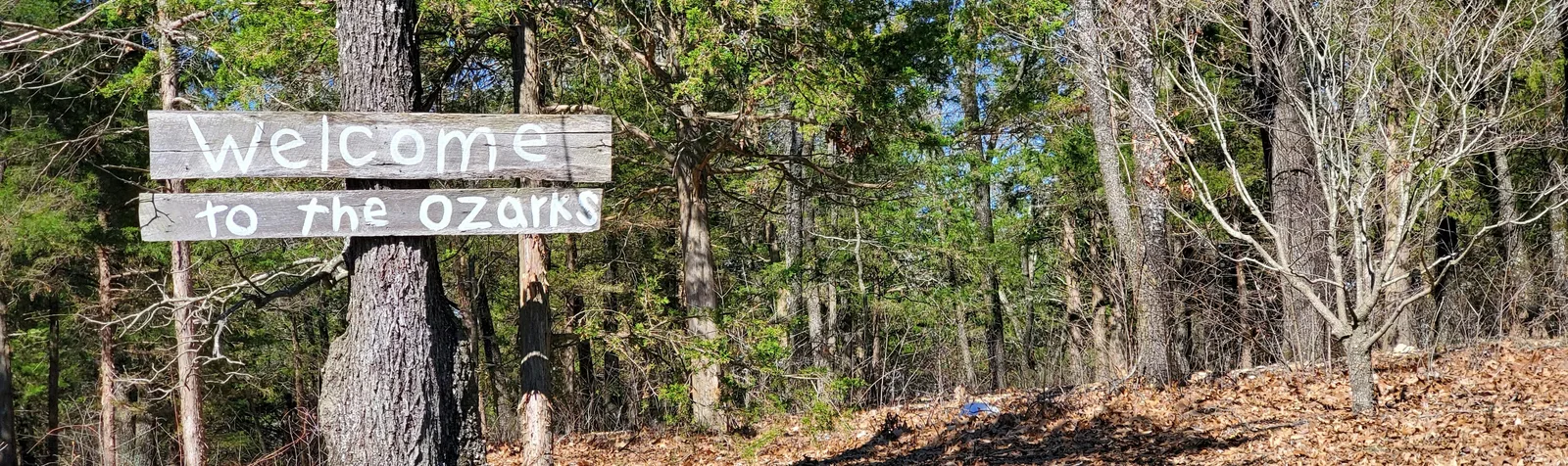
Branson runs on two engines that barely overlap. The Highway 76 entertainment strip — theatres, Silver Dollar City, the shows — draws a bus-and-family audience into condos and hotels close to the action. Table Rock Lake, minutes west, is a completely different product: 800 miles of shoreline, deep clear water, and lake houses that rent to groups who may never set foot on the strip.
For cost segregation the interesting fact is arithmetic rather than scenic. Branson is a low-entry market that reclassifies at a high percentage. The modelled example below is a $475,000 house — less than half what the Cape Cod or Steamboat examples cost — and it reclassifies 25.6% of basis, higher than either of them. Two things drive that: land runs a modest 18% of price in a market where dirt is not scarce, and the housing stock is conventionally framed with ordinary interior finishes rather than heavy timber. More of what you buy is the kind of property a study can move.
The absolute dollars are smaller, because the building is smaller. The efficiency is better.
- $99,637 accelerated into 5-, 7- and 15-year property
- $96,769 additional Year-1 depreciation
- $35,804 estimated Year-1 federal tax at the 37% bracket
Want a number for a specific Branson property? Use the calculator. It is pre-set with property-type defaults you can adjust to match your basis and bracket.
Cost Segregation in Branson, MO
Branson Investment Snapshot
- Representative price range $175K–$300K (1–2BR strip-area condo); $325K–$650K (3–4BR lake-area house); $700K–$2M+ (lakefront with dock, large group lodge)
- Season March through December, with a strong Christmas-lights season that most vacation markets do not have
- Common property types Table Rock lake house, Highway 76 condo, Hollister or Branson West SFR, large group lodge
- Missouri income tax graduated to roughly 4.7% top rate, on a schedule of further reductions
- Bonus depreciation Missouri generally follows the federal treatment for individuals; confirm current-year conformity with your CPA
- Lodging tax city and county tourism taxes on short-term stays, plus state and local sales tax
- Typical land share 15–25% of price, among the lowest we model
- Representative Year-1 federal benefit $14,000–$85,000 depending on basis and finish
The Branson Market
Table Rock Lake and Kimberling City form the premium rental zone. Table Rock is a Corps of Engineers reservoir, which matters practically: the Corps controls the shoreline, private docks require permits, and lakefront ownership does not work the way it does on a private lake. Prices run $325K–$900K for a lake-area house and well past $1.5M for genuine lakefront with a permitted dock.
Indian Point, the peninsula beside Silver Dollar City, is the highest-occupancy submarket in the county — walkable to the park, on the water, and dense with rental condos and houses.
The Highway 76 strip is condo territory. Entry prices are genuinely low, $175K–$300K for a 1–2BR, and the rental math is volume-driven. The tax caveat here is the important one and it applies to every condo market: you depreciate what you own, and a resort condo with shared pools, structured parking and common grounds keeps most of the site work off your schedule. Expect a lower reclassification percentage than a detached house.
Hollister and Branson West are the working residential markets, cheaper again, with a mix of short-term and long-term rental economics.
Downtown Branson and Lake Taneycomo sit below Table Rock dam on the cold tailwater — a trout fishery rather than a swimming lake, with a different and more year-round guest profile.
Branson’s seasonality is unusual in a useful way: the Christmas lights season through November and December is a genuine second peak, which most northern-hemisphere vacation markets simply do not have. That lifts annual occupancy and, incidentally, wear on furnishings.
Why Cost Segregation Hits Different in the Ozarks
The land share is low, which is the whole reason the percentage runs high. At 15–25% of price, more of what you paid is depreciable improvements. Compare the Oregon coast at 30–45%. This is the mirror image of Cannon Beach: cheaper dirt, better reclassification percentage.
The building stock is conventionally framed and ordinarily finished. Unlike the log cabins of North Georgia or the Smokies — which reclassify low because the shell is the finish — a Branson lake house is drywall, trim, cabinetry, standard flooring and standard systems. That is the profile a cost segregation study is built for.
The 15-year bucket is modest here, and it is worth knowing why. The modelled example carries only $14,178 of 15-year property against $83,279 of 5-year. Branson lots are generally flat or gently sloped, drives are short, and — crucially — the dock is usually not yours to depreciate. Table Rock is a Corps of Engineers lake; docks are permitted structures on federal shoreline, and the permit and ownership arrangement varies. If you do own a permitted dock outright, that changes the 15-year figure materially and the study should reflect it. If you have a slip in a community dock, it does not.
Group lodges carry equipment other markets do not. The large Branson rentals compete on game rooms: pool tables, arcade cabinets, theatre seating, bunk-room build-outs. All of that is 5-year personal property and it is frequently absorbed into “furnishings” at a fraction of its real cost.
Worked Example — Branson
A 4-bedroom Table Rock Lake vacation home, roughly 2,400 square feet, built in 2006, acquired for $475,000 and placed in service in March 2026. Land is taken at 18% of price. Depreciable basis lands at $389,500.
Running that property through our engine produces $99,637 of reclassified property, or 25.6% of depreciable basis:
| Class | Amount | What it is |
|---|---|---|
| 5-year | $83,279 | Furnishings, appliances, floor coverings, decorative lighting, hot tub equipment, window treatments |
| 7-year | $2,180 | Built-in casework and fixed storage |
| 15-year | $14,178 | Drive and walks, deck, landscape, exterior lighting |
| Total | $99,637 |
Under 100% bonus depreciation the additional Year-1 deduction is $96,769 — the Year-1 deduction with the study minus the Year-1 deduction without it. At a 37% federal bracket that is $35,804 in Year-1 federal tax.
Look at the ratio rather than the total. $35,804 of Year-1 federal tax on a $475,000 property is a better return per dollar of purchase price than the Cape Cod example produces on a $1,350,000 one, and it comes from the same study fee. Low-entry markets are frequently dismissed for cost segregation on the assumption that the numbers are too small to bother with. On this arithmetic they are not.
What is real and what is assumed. The split is a real engine run. The inputs are a representative lake-area house, not a specific address. A strip-area condo will reclassify lower because the amenities are common property; a lakefront house with an owned permitted dock will reclassify higher.
Who Is Doing This in Branson
The Midwest drive-market buyer — Kansas City, St. Louis, Tulsa, Little Rock, Oklahoma City, Springfield — is the core. Three to five hours by car, and the buyer typically holds one or two properties.
The out-of-region yield buyer has grown since the low entry prices started showing up in national short-term rental data. This cohort rarely visits, rents hard, and has the cleanest §280A position.
The multi-property Ozarks operator holds five to twenty units across Branson, Kimberling City and Hollister, and this is the group for which a portfolio of studies plus the Form 3115 lookback tends to be the largest single opportunity.
MO Tax Considerations
Missouri levies a graduated income tax with a top rate near 4.7%, on a legislated schedule of further reductions tied to revenue triggers.
Bonus depreciation conformity is the item to confirm rather than assume. Missouri’s individual income tax starts from federal adjusted gross income, which generally carries federal depreciation through, but Missouri has legislated modifications in this area before and the treatment is worth checking for your specific filing year with your CPA. Where a state conforms, the benefit lands in the same year; where it decouples, it is deferred across the recovery period. We would rather flag this as a question than state a conformity position that could be stale by the time you read it.
Branson and Taney County levy tourism and lodging taxes on short-term stays in addition to state and local sales tax. These are collected from the guest and remitted rather than paid from your income.
The Missouri-specific point worth raising: Table Rock is a Corps of Engineers lake, and shoreline structures sit under a federal permitting regime rather than ordinary private ownership. Whether a dock is a depreciable asset on your schedule depends on what you actually acquired — a permitted private dock, a slip interest in a community dock, or nothing at all. Get that straight before the study rather than after.
Common Branson Investment Properties
- The Table Rock lake-area house, $325K–$900K, the market’s core rental product
- The Highway 76 or Indian Point condo, $175K–$300K, lowest entry, lower reclassification percentage
- The lakefront house with permitted dock, $700K–$2M, heaviest 15-year bucket if the dock is genuinely yours
- The large group lodge, 6–10BR, game room, bunk rooms, heavy 5-year equipment
- The Hollister or Branson West SFR, mixed short- and long-term economics
Depreciable Features We Commonly See Around Table Rock
Full furniture packages sized to bedroom and bunk count, which in this market runs high because group rentals are the product. Kitchen appliance packages on a fast turnover cycle. Floor coverings, usually luxury vinyl plank. Hot tubs on dedicated electrical. Game-room equipment — pool tables, shuffleboard, arcade cabinets, theatre seating — all 5-year and all commonly under-counted. Decorative and exterior lighting. Decks and screened porches. Concrete and gravel drives. Fire pits and patio hardscape. Boat lifts and dock equipment where genuinely owned. Retaining walls on sloped lake lots. Landscape and irrigation. Detached garages and storage buildings.
What People Worry About (and What Actually Happens)
“My property is only $400,000. Is a study worth it?” On this market’s arithmetic, yes — the modelled $475,000 house produces $35,804 of Year-1 federal tax against a fee starting at $495. Low entry price and low land share are exactly the conditions that make the percentage work.
“I own a boat slip.” A slip interest in a community dock is not the same as an owned permitted dock, and the two are treated differently. Establish which you have before ordering.
“My condo has a pool and a lazy river.” Then the association owns them and they are not on your depreciation schedule. Expect a lower percentage than a detached house at the same price.
Why Cost Segregation Works for Ozarks Group Rentals
Branson rentals run heavily to two- and three-night stays and short family weeks, putting average guest stay comfortably under seven days. That places a property inside the short-term rental exception under §469 — not automatically a passive rental activity, so an owner who materially participates may be able to apply losses against non-passive income. Whether your participation clears the test is a question for your CPA.
Who This Example Applies To
The worked example assumes a 37% federal bracket, 100% bonus depreciation, a March 2026 placed-in-service date, and an 18% land share. At a 32% bracket, scale the Year-1 federal figure by roughly 0.86. For a condo, expect a lower percentage. For a lakefront house with an owned dock, expect a larger 15-year bucket.
Compare: Branson Properties at Different Price Points
| Price | Typical property | Rough basis at 18% land | Indicative Year-1 federal at 37% |
| $265,000 | 2BR strip-area condo | $217,300 | $14,000–$17,000 |
| $475,000 | 4BR Table Rock lake-area house | $389,500 | $35,804 (modelled above) |
| $950,000 | 7BR group lodge with game room | $779,000 | $72,000–$82,000 |
Rows other than the modelled one are indicative ranges scaled from that run, not separate engine runs.
Frequently Asked Questions
Why does a cheaper property reclassify at a higher percentage? Land share. At 15–25% of price in land, more of what you bought is depreciable improvements. Coastal markets run 30–45% land and the percentage drops accordingly.
Is my Table Rock dock depreciable? It depends on what you own. Table Rock is a Corps of Engineers lake and shoreline structures are permitted rather than simply owned. An owned permitted dock can be a 15-year land improvement; a slip in a community dock is a different arrangement entirely.
Does Missouri conform to federal bonus depreciation? Missouri’s individual tax starts from federal AGI, which generally carries federal depreciation through, but the state has legislated modifications in this area before. Confirm the treatment for your filing year with your CPA rather than assuming.
Is a pool table really depreciable? Yes. Game-room equipment is 5-year personal property. On a group lodge competing on amenities it can be a meaningful line, and it is one of the most commonly under-counted items in this market.
Is the Christmas season taxed differently? No. It simply extends your rental days, which affects the §280A personal-use threshold and your occupancy, not the classification of any component.
Learn More About Cost Segregation
- How cost segregation works
- Bonus depreciation by state
- The Form 3115 lookback
- Cost segregation calculator
Ready to See Your Actual Branson Numbers?
Studies start at $495 and most residential studies are delivered the next business day, with the CPA-Ready Guarantee: if your CPA flags a problem we revise the report free, and if it still can’t be used you get a full refund. Start a study or run your numbers first.
CPA use note: These figures estimate the size of the depreciation deduction. Whether the loss is usable in the current year depends on passive-activity rules, STR material participation, REPS status, entity structure, depreciable basis, and state conformity. Your CPA decides how and when it is applied. Specialty and site components (equipment, casework, docks, pools, arenas, tenant improvements, and similar) are only classified when you own them and they are included in the depreciable basis being studied.
How should Branson, MO investors choose a cost segregation provider?
For a Branson, MO investor buying a property in the $475,000 range, the choice of provider is a major controllable variable in the return. The IRS Audit Techniques Guide sets the quality characteristics an engineering-based study should meet — industry-standard construction cost data, MACRS classification, and component-level documentation — but it does not make every provider's work identical; rigor, cost, and turnaround still vary.
Traditional engineering studies often run several thousand dollars and can take several weeks, because they include on-site inspections, sales discovery calls, and scheduling overhead. The IRS Cost Segregation Audit Techniques Guide does not prescribe an on-site inspection as a standalone requirement; it sets out the quality characteristics of an engineering-based study — component-level classification, a documented and supportable cost derivation, and a clear audit trail — and describes how a physical inspection can contribute to meeting them.
Modern automated providers (such as Cost Seg Smart) deliver an engineering-based, IRS ATG-aligned study using property records, documents, photos, and recognized construction-cost data, typically from $495 and often by the next business day. For a Branson, MO investor at a high combined bracket, that cost and speed difference is meaningful. The CPA-Ready Guarantee (free revisions if your CPA flags a problem, and a refund if the report still can't be used) makes the decision essentially risk-free on the report itself.
The automated path is best-fit for owners who can provide closing documents and property photos online (no in-person visit required) and want the report in time to file the current year's return rather than the next one.
All Cost Seg Smart studies include the CPA-Ready Guarantee (free revisions if your CPA flags a problem, and a refund if the report still can't be used). Straightforward residential studies are often delivered the next business day and completed remotely; larger or more complex commercial studies take longer and may include an on-site observation.