Section 1245 vs 1250 vs 1231 Property: A Guide for Rental Owners
Section 1245 is personal property such as appliances and carpet. Section 1250 is the building and other depreciable real property, including 15-year land improvements. Section 1231 is how a sale of business or rental property is taxed. Land is not depreciable, so it is neither 1245 nor 1250.
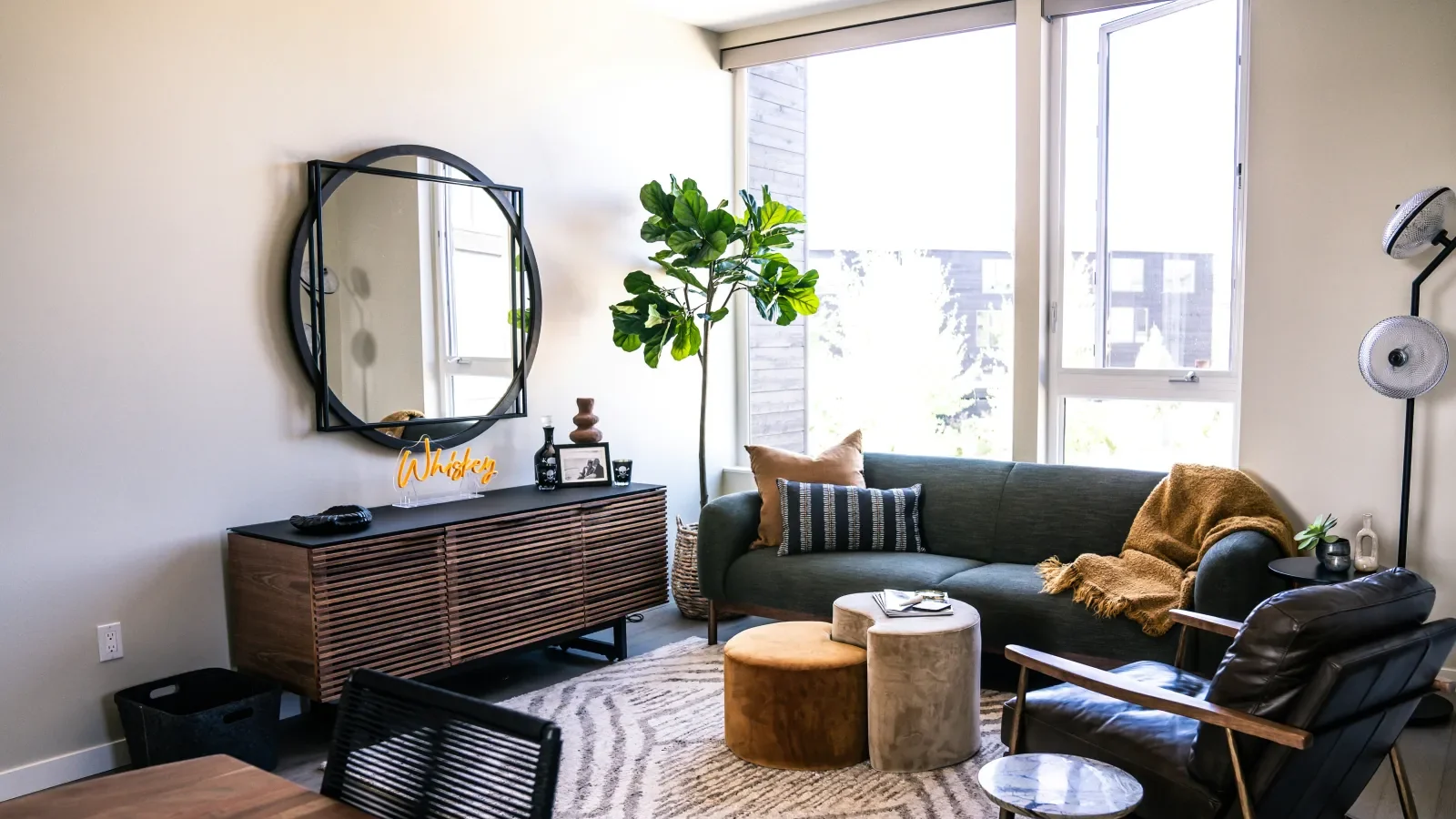
Section 1245 property is depreciable personal property, such as a rental's appliances, carpet and furniture. Section 1250 property is depreciable real property that is not 1245 property: the building, its structural components and land improvements. Section 1231 governs the sale of property used in a business or rental and held over a year. Land is not 1245 or 1250.
Section 1245 property is the personal property inside a rental, such as the appliances, carpet and furniture. Section 1250 property is the building and other depreciable real property, including land improvements like a fence or driveway. Section 1231 isn’t a third kind of asset: it’s the set of rules for selling property used in a business or rental. Land isn’t depreciable, so it’s neither 1245 nor 1250. It becomes section 1231 property when you sell it.
These labels matter twice. While you own the property, they track how fast each piece is depreciated. When you sell, they decide how the gain is taxed. A cost segregation study is the document that moves pieces of your purchase price from the 1250 building line into 1245 and 15-year categories, so it affects both.
What is section 1245 property?
Section 1245 property is depreciable property that is either personal property or certain other tangible property that is not a building or a structural component (26 U.S.C. §1245(a)(3)). In everyday terms: things in or around the building that aren’t part of the building itself.
In a residential rental, the clearest examples are the ones IRS Publication 527 puts in the 5-year class:
- Appliances: refrigerator, range, dishwasher, washer and dryer
- Carpet
- Furniture, which in a furnished short-term rental can be a large share of the purchase
- Window treatments such as blinds and curtains
Some business equipment falls in the 7-year class. All of it is eligible for bonus depreciation, which is 100% for property acquired and placed in service after January 19, 2025.
What is section 1250 property?
Section 1250 property is depreciable real property that is not section 1245 property (§1250(c)). For a rental owner it covers two groups:
- The building and its structural components: foundation, framing, walls, roof, windows, plumbing, electrical and HVAC. Residential rental property is depreciated over 27.5 years; nonresidential property, including most short-term rentals with average stays under 30 days, over 39 years.
- Land improvements: fences, driveways, sidewalks, patios and landscaping. These have a 15-year recovery period and qualify for bonus depreciation, but they are still real property, so they remain section 1250 property.
That second group trips people up. “Bonus eligible” and “section 1245” aren’t the same thing. A new fence can be written off in the first year and still be 1250 property when you sell.
What is section 1231 property?
Section 1231 covers the sale of property used in a trade or business: depreciable property and real property, held more than one year (§1231). Rental property you have held more than a year is generally reported under these rules on Form 4797 (IRS Publication 544).
Section 1231 is favorable on both sides of the ledger. If your section 1231 transactions for the year net to a gain, it is generally taxed like a long-term capital gain. If they net to a loss, it is an ordinary loss. The catch is that recapture under sections 1245 and 1250 comes out of the gain first, at its own rates, before anything is left for section 1231 treatment.
1231 vs 1245 vs 1250: side by side
| Section 1245 | Section 1250 | Section 1231 | |
| What it is | Depreciable personal property | Depreciable real property that is not 1245 | Rules for selling business or rental property held over a year |
| Rental examples | Appliances, carpet, furniture, window treatments | Building, roof, HVAC, plumbing; fence, driveway, landscaping (15-year) | The whole property on a sale, including the land |
| Typical recovery period | 5 or 7 years | 27.5 or 39 years; 15 years for land improvements | Not a recovery period |
| Bonus depreciation | Yes | Land improvements yes; building no | Not applicable |
| On a sale | Depreciation recaptured as ordinary income, up to the gain | Building depreciation taxed at up to 25%; extra depreciation on 15-year property recaptured as ordinary income | Remaining gain taxed like long-term capital gain; net loss is ordinary |
Is land 1250 or 1245 property?
Neither. Both sections only cover property “of a character subject to the allowance for depreciation,” and land isn’t depreciable. That’s why a closing statement’s land value never shows up on your depreciation schedule. When you sell, the land is part of the section 1231 property, and its gain is generally taxed like a long-term capital gain.
The land share matters more than most owners expect. Every dollar assigned to land is a dollar that is never depreciated, which is why a cost segregation study documents the land allocation and its source.
How do I tell whether an item is 1245 or 1250?
Ask three questions, in order.
Most items fall clearly on one side. A few don’t: built-in cabinetry, specialty lighting and some flooring are decided by what the item is, how it is attached and what it serves. The IRS Cost Segregation Audit Techniques Guide walks through these factors, and the asset classes come from Rev. Proc. 87-56. For an item-by-item list, see the cost segregation components list.
How is each one taxed when I sell?
This is where the labels cost or save money. Suppose you sell a rental at a gain after several years of depreciation:
- Section 1245 property: the depreciation you took is recaptured as ordinary income, up to the gain on those assets.
- Section 1250 building: depreciation taken on a straight-line basis is unrecaptured section 1250 gain, taxed at a maximum of 25% (§1(h)).
- 15-year land improvements with bonus depreciation: the depreciation above what straight-line would have allowed can be recaptured as ordinary income under §1250(a). The rest is treated like the building’s.
- Whatever gain is left, including the land, is section 1231 gain, generally taxed at long-term capital gain rates.
What does a cost segregation study change?
Without a study, a rental’s depreciable basis usually sits in one line: the building, as section 1250 property over 27.5 or 39 years. A cost segregation study allocates that basis to components and assigns each one its class, which moves a share of it into 5- and 7-year section 1245 property and 15-year land improvements.
The same rental, with and without a study
| Metric | Without a study | With a cost segregation study |
|---|---|---|
| Building (§1250) | Whole basis, 27.5 or 39 years | Reduced: only the true building and structural components |
| Personal property (§1245) | None identified | Appliances, carpet, furniture and similar items, 5 or 7 years |
| Land improvements (§1250, 15-year) | None identified | Fence, driveway, patio, landscaping |
| Bonus depreciation | Nothing to apply it to | Available on the 5-, 7- and 15-year property |
| On a sale | Building gain at up to 25% | 1245 recapture as ordinary income; building at up to 25% |
The trade is straightforward: larger deductions now, against a larger share of the eventual gain being recaptured at ordinary rates. For most owners the early deductions are worth more, because they arrive years sooner and at your current rate. Your CPA weighs it against your expected holding period.
Classification is worth getting right when…
- You are claiming bonus depreciation, which only applies to 5-, 7- and 15-year property
- You might sell within a few years, when recapture is close at hand
- The property is furnished, where a large share of the purchase is personal property
- You bought an older property and want to know what the improvements are worth
Tangible personal property: the same thing under another name?
Mostly. “Tangible personal property” is the general term for physical property that is not real estate, and in a rental it is the same set of items as section 1245 property. The phrase also appears on some state and county property tax returns, which ask businesses to list equipment and furnishings for local tax. That’s a separate obligation from federal depreciation, with its own rules by state and county, so check with your county assessor or CPA if you run a furnished rental.
This article describes federal tax rules generally and is not tax advice. Your CPA applies them to your facts.
Frequently asked
What is section 1245 property in a rental?
Section 1245 property is depreciable personal property, plus certain other tangible property that is not a building or a structural component (26 U.S.C. §1245(a)(3)). In a residential rental, the common examples are appliances, carpet, furniture and window treatments, which IRS Publication 527 places in the 5-year class.
What is section 1250 property?
Section 1250 property is depreciable real property that is not section 1245 property (§1250(c)). For a rental, that is the building and its structural components, such as the roof, framing, plumbing, wiring and HVAC, depreciated over 27.5 years for residential rental property or 39 years for nonresidential, plus 15-year land improvements such as a fence, driveway or landscaping.
Is land section 1250 property?
No. Land is not depreciable, and both §1245 and §1250 only cover property subject to depreciation. Land used in a rental or business and held more than one year is section 1231 property when it is sold.
Are land improvements section 1245 or 1250 property?
Generally section 1250. Fences, driveways, sidewalks, patios and landscaping are real property with a 15-year recovery period. They are eligible for bonus depreciation, but they remain §1250 property, so the recapture rules for real property apply when you sell.
What is the difference between 1231, 1245 and 1250 property?
Sections 1245 and 1250 classify depreciable property for recapture: 1245 for personal property, 1250 for real property. Section 1231 is the umbrella for selling property used in a trade or business, including rental property held over a year. On a sale, recapture under 1245 and 1250 is figured first, and the rest of the gain is section 1231 gain, generally taxed at long-term capital gain rates.
Does cost segregation change how my property is taxed when I sell?
It changes how the depreciation is split. Components reclassified as 5- and 7-year personal property are section 1245 property, so the depreciation taken on them is recaptured as ordinary income, up to the gain. Depreciation on the building is unrecaptured section 1250 gain, taxed at up to 25%. Your CPA reports the sale on Form 4797.
Sources
- 26 U.S.C. § 1245: Personal property recapturelaw.cornell.edu
- 26 U.S.C. § 1250: Real property recapturelaw.cornell.edu
- 26 U.S.C. § 1231: Property used in the trade or businesslaw.cornell.edu
- 26 U.S.C. § 1(h): Capital gains rates, incl. 25% unrecaptured §1250 gainlaw.cornell.edu
- 26 U.S.C. § 168: MACRSlaw.cornell.edu
- IRS Pub 946: How to Depreciate Propertyirs.gov
- IRS Pub 527: Residential Rental Propertyirs.gov
- IRS Pub 544: Sales and Other Dispositions of Assetsirs.gov
- IRS Form 4797: Sales of Business Propertyirs.gov
- Rev. Proc. 87-56: Asset Class Lives (IRS Pub 946, App. B)irs.gov
- IRS Cost Segregation Audit Techniques Guide (Pub 5653)irs.gov
Sources are listed so you can check them. Found an error? Email support@costsegsmart.com and we will correct it.