Rental Condo Depreciation: Your Share of the Parking Lot Counts
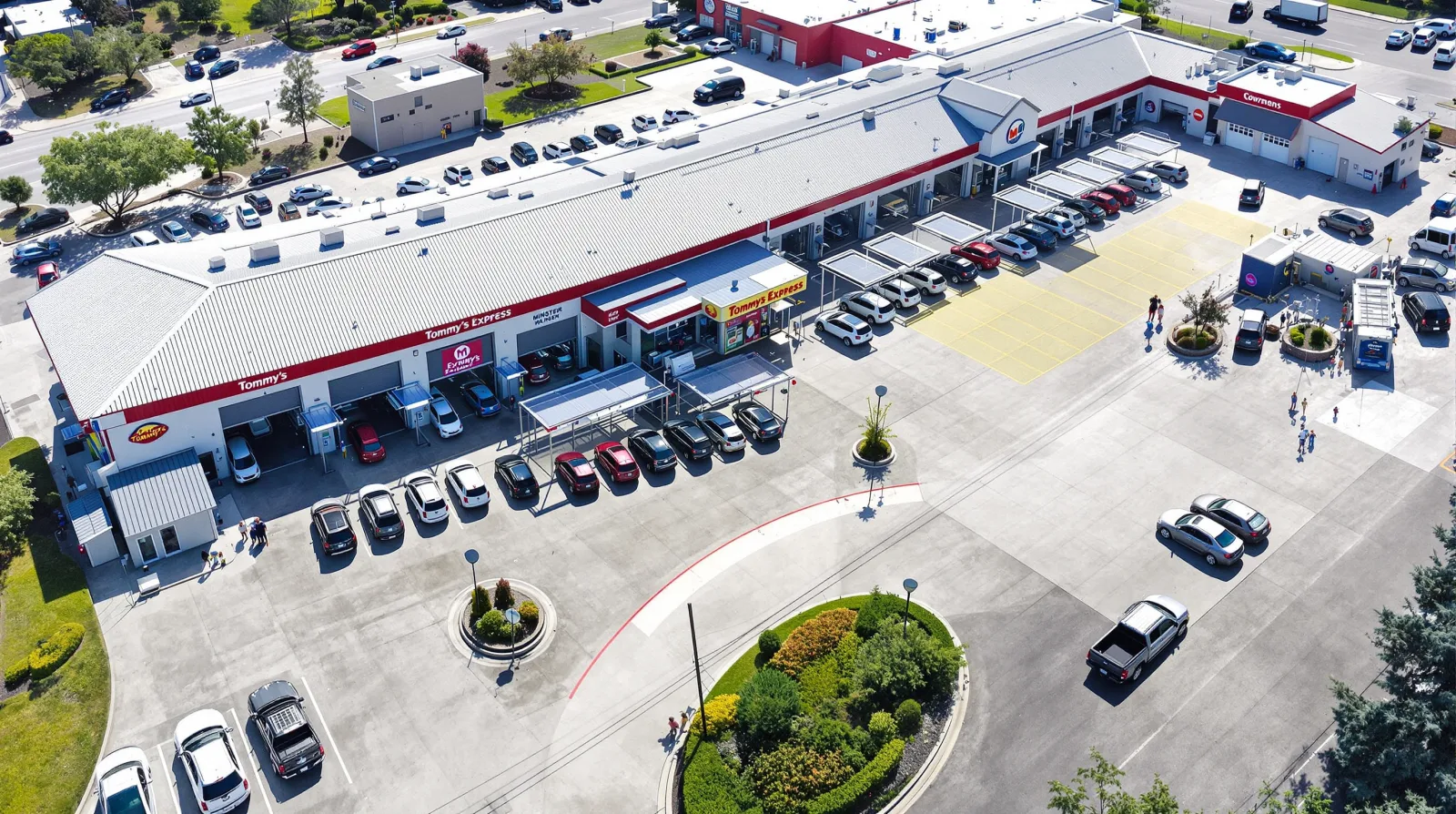
A condo purchase buys more than the unit. Part of the price pays for your share of the parking, walkways, landscaping and fencing, and that share is 15-year property, not 27.5-year.
A rental condo is depreciated over 27.5 years like any residential rental, after setting aside the non-depreciable land share. But a condo owner usually owns the unit plus an undivided interest in the common elements, so part of the price pays for a share of the shared outdoor site improvements: parking, walkways, landscaping and fencing. Those are land improvements, 15-year property that qualifies for bonus depreciation.
When you buy a condo, you buy more than the unit. You usually also buy an undivided interest in the common elements: the land the building sits on, the parking lot, the walkways, the landscaping, the fencing. Part of your purchase price paid for that share. A depreciation schedule that treats the whole price as “unit” puts your share of the parking lot on a 27.5-year schedule, when the tax rules give land improvements 15 years and make them eligible for bonus depreciation.
What you actually bought
Your condominium documents describe what you own. In a typical condominium that is two things:
- Your unit, the space inside your walls, along with what is built into it.
- An undivided interest in the common elements, owned together with the other unit owners: the land, the building’s shared structure, and the shared site improvements outside it.
For depreciation, those pieces fall into four groups:
| Piece | Tax treatment |
|---|---|
| Your share of the land | Not depreciable, ever |
| The building, including your unit | Residential rental property, 27.5 years |
| Items inside the unit such as appliances and carpeting | Often 5-year personal property |
| Your share of shared outdoor site improvements: parking, walkways, landscaping, fencing | Land improvements, 15 years (asset class 00.3), bonus-eligible |
The 15-year treatment of those site improvements is not a cost segregation invention. Asset class 00.3 in Rev. Proc. 87-56 covers land improvements such as sidewalks, parking areas, fences and landscaping, and the residential rental property matrix in the IRS Cost Segregation Audit Techniques Guide classifies them the same way. More on that life in the 15-year life of land improvements.
What it is worth: an example
Take an illustrative $600,000 rental condo bought and placed in service in 2026, with 10% of the price as land. That leaves $540,000 of depreciable basis.
Suppose, for illustration, that 3% of that basis is your share of the shared outdoor site improvements. That is $16,200 of 15-year property instead of 27.5-year property.
- Left in the building: that $16,200 produces about $319 of depreciation in the first year.
- Classified as 15-year with 100% bonus: the full $16,200 is deductible in the first year.
- The difference: about $15,900 more first-year deduction from one line of the schedule.
This is illustrative, not a projection; your numbers depend on your property, your documents and your tax situation. Most of the gain is timing: the same basis is deducted now instead of over 27.5 years. The bonus rate depends on when the property was acquired and placed in service; see bonus depreciation in 2026.
The common-element share sits on top of what a study finds inside the unit. Condo studies typically reclassify 10–19% of depreciable basis in total; see cost segregation for condos.
Free preliminary depreciation estimate — property summary, basis allocation, five-year schedule. We do the work; you get the PDF.
See my estimated Year-1 savings →What our study includes, and what it does not
Where a residential condo unit includes an ownership interest in the common elements, the study may allocate a conservative portion of the unit's existing basis to the shared outdoor improvements it identifies, such as parking, landscaping and fencing, as 15-year property. It reallocates basis you already have; it does not add any. Pools, clubhouses, gyms and other building amenities are not included, and if you hold no interest, tell us and the share is left out.A few things follow from that:
- It is a share, not the whole lot. Your unit holds an interest alongside every other owner, so our studies allocate a conservative portion, set from the shared outdoor improvements the study identifies.
- Building amenities are not on your schedule. The association’s pool, clubhouse or gym is not allocated to you.
- Condominium units, not every attached home. In many townhome and planned communities the association itself holds title to the common area. If you hold no interest in the common elements, tell us and the study leaves that share out.
- It is a reallocation, not extra basis. The share comes out of your existing depreciable basis. It changes how fast that basis is deducted, not how much basis you have.
The question to ask any provider
If you are comparing a DIY tool or another provider for a condo, ask: "On a condo, does it count your share of the shared outdoor site improvements, or only the unit?" A schedule that treats the purchase as “unit only” is not wrong about the building, but it leaves your share of the site work on the slowest schedule available.
Other condo depreciation basics
- Land still matters most. On a condo, your land share is usually smaller than on a single-family house, because many units share one parcel. Wherever your land figure comes from, check it: every point of land you overstate is basis you never depreciate.
- HOA dues are not depreciation. Regular association dues on a rental are a deductible operating expense in the year paid. A special assessment for a capital improvement is generally added to your basis and depreciated instead.
- Closing costs belong in basis. Capitalizable closing costs, such as title and recording fees, are added to the purchase price before the land share is set aside.
- Catch-up for prior years. If you bought the condo in an earlier year, the depreciation you missed can be claimed in the current year with Form 3115; see how cost segregation works on your tax return.
Bottom line
A condo is not just a unit. You own a share of the parking, walkways and landscaping too, and that share is 15-year property. A residential condo study is priced from $495, and it counts that share unless you tell us you hold no interest.
Frequently asked
How do you depreciate a rental condo?
Start with your depreciable basis: the purchase price plus capitalizable closing costs, minus the share that is land, which is never depreciated. The building portion is residential rental property depreciated over 27.5 years. A cost segregation study separates out the parts with shorter lives: 5-year items inside the unit, such as appliances and carpeting, and your share of the shared outdoor site improvements, which are 15-year land improvements.
Can a condo owner depreciate the common areas?
Generally, a condominium unit owner owns the unit plus an undivided interest in the common elements, so part of the purchase price pays for a share of them. The share that pays for depreciable site improvements, such as parking, walkways, landscaping and fencing, can be depreciated as 15-year land improvements. Your share of the land itself is not depreciable.
Is the condo pool or clubhouse included?
Not in our studies. We allocate a share only to the shared outdoor site improvements a study identifies, such as parking, walkways, landscaping and fencing. Pools, clubhouses, gyms and other building amenities are not allocated to your schedule.
Does this apply to townhomes?
Our common-element allocation applies to residential condominium units. In many townhome and planned communities the association itself holds title to the common area, so the owner does not hold the same direct interest. If you are unsure which you own, your purchase and association documents will say.
What if I do not own an interest in the common elements?
Tell us, and the study leaves the common-element share out. The rest of the study, including the 5-year items inside your unit, is unaffected.
How much difference does the common-element share make?
It depends on the property, and the share is modest. In our illustrative example of a $600,000 condo, moving 3% of the depreciable basis from 27.5-year to 15-year property with 100% bonus depreciation adds about $15,900 to the first-year deduction. Most of that is timing: you take the deduction now instead of spreading it over 27.5 years.