Cost Segregation for Gyms & Fitness Centers: 2026 Guide with Real Numbers
A gym is an inventory problem, not a building problem. Equipment, rubber flooring, and mirrors drive 5/7/15-year reclassification. A $2.5M gym: ~$143K Year-1 federal savings on the building alone — or ~$250K with a documented equipment schedule.
A gym is an inventory problem, not a building problem. Equipment, rubber flooring, and mirrors drive 5/7/15-year reclassification. A $2.5M gym: ~$143K Year-1 federal savings on the building alone — or ~$250K with a documented equipment schedule.
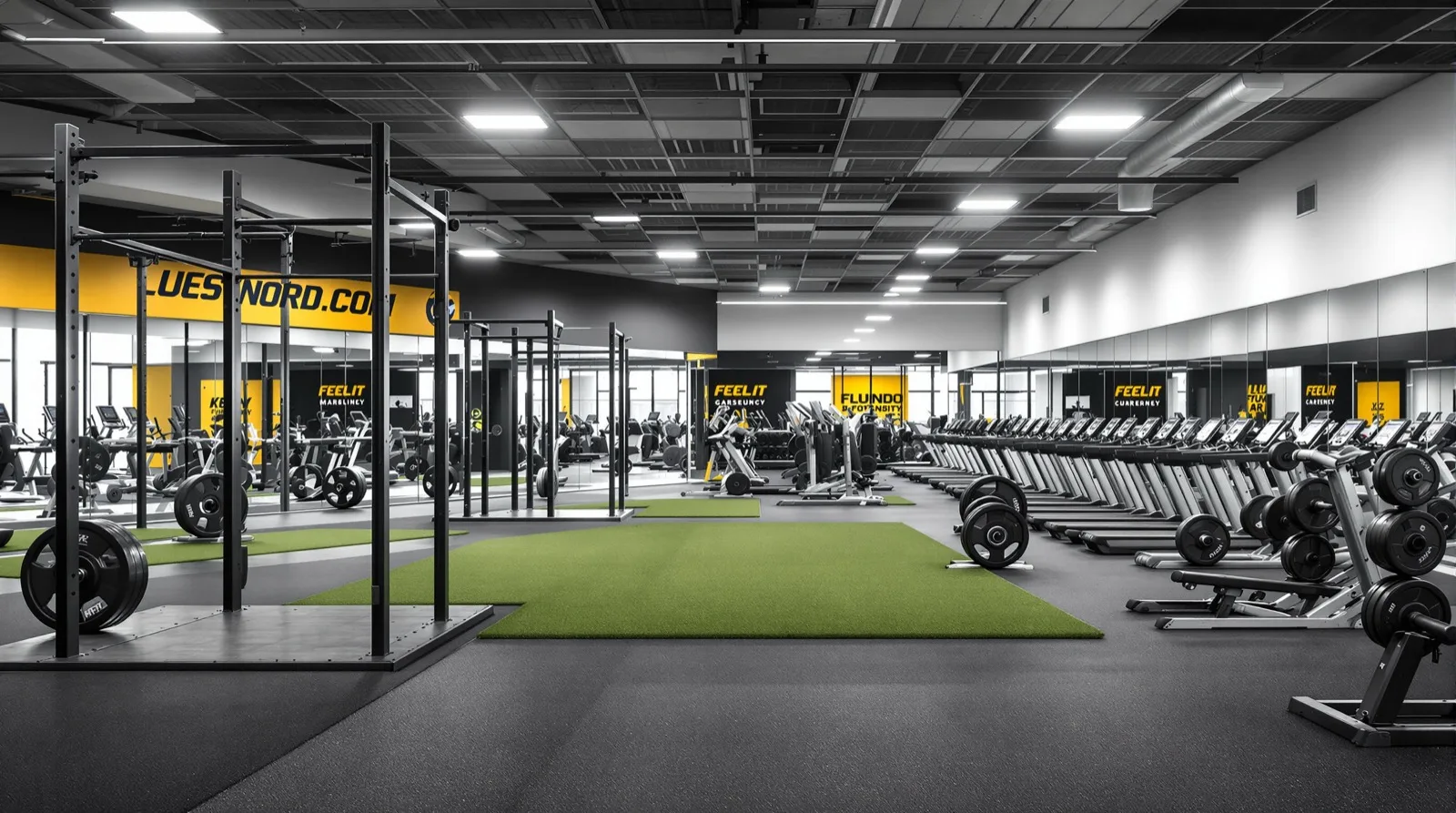
A gym is an inventory problem, not a building problem — and that’s exactly why fitness centers are one of the best commercial property types for cost segregation. So much of what you bought is removable personal property: cardio machines, selectorized and plate-loaded strength, racks and rigs, free weights, plus the specialty athletic flooring (rubber, sprung, turf) and full-wall mirrors that define the space. A typical facility reclassifies about 21–40% of the depreciable basis out of the 39-year schedule into 5- and 15-year classes, most often around 26%; the building improvements alone sit toward the low end, and your documented equipment carves out materially more on top. On a $2.5 million facility, that’s about $367,000 reclassified into Year 1 on the building, worth roughly $143,000 in federal tax at the 37% bracket with 100% bonus depreciation; add a documented ~$310,000 equipment schedule and the total reclassification climbs to ~35% (~$250K of Year-1 savings). Studies are priced as specialty commercial — from $2,995, $4,995 for a typical gym — and delivered in 1–2 business days.
The Fitness Cost Segregation Opportunity
When you buy or build a gym, the IRS default is to depreciate the whole thing over 39 years as nonresidential real property. That’s the slowest schedule in the code, and it’s wrong for most of what a fitness facility actually is. A gym is a building wrapped around equipment and high-wear surfaces: the rubber floor takes a beating, the cardio line gets replaced on a cycle, the mirrors and sound system are trade fixtures, and the racks bolt down today and come out tomorrow. Those things wear out and get replaced on a timeline measured in years, not decades.
Cost segregation is the IRS-recognized, engineering-based study that separates those shorter-lived components out of the 39-year bucket and into their correct 5-, 7-, and 15-year classes. With 100% bonus depreciation permanent again, the reclassified amount is deductible in Year 1 instead of dripping out over four decades.
What a cost segregation study changes.
| Metric | Without cost seg (39-year) | With cost seg + 100% bonus |
|---|---|---|
| Year-1 depreciation (building) | ~$48,700 | ~$386,000 |
| Year-1 tax savings @ 37% | ~$18,000 | ~$143,000 |
| Reclassified into 5/7/15-yr | $0 | ~$367,000 (≈19%) |
| With a documented equipment schedule | — | up to ~$250,000 Year-1 (≈35%) |
| Study cost | N/A | $4,995 |
| Delivery time | N/A | 1–2 business days (most residential) |
Lead With Your Equipment (It’s Where the Money Is)
Here’s what makes a gym study different from almost any other commercial property: the equipment often rivals the building. A full cardio line, a rack of selectorized machines, eight squat racks with bumpers, and a wall of dumbbells can run into the hundreds of thousands of dollars — and all of it is 5- and 7-year personal property when it’s documented.
So our study leads with your inventory. You provide the equipment you own — by category and approximate documented value (a number you can back up with an invoice or asset schedule) — and we book it as observed personal property, carve it out of the building basis first, then model the building improvements on what’s left. Nothing is assumed or modeled; documented equipment is the source of truth.
The equipment mix also tells us what kind of facility you run, which determines the building improvements that actually apply:
- Racks, bumpers, rigs, platforms, free weights → a strength / CrossFit facility — heavy rubber and turf flooring, chalk-tolerant ventilation.
- A big cardio line + selectorized strength → a commercial club — mixed flooring, AV, locker areas.
- Reformers, mats, barre → a boutique studio — sprung floors and mirror walls dominate.
- Pool / sauna present → a full-service health club.
What Gets Reclassified
Our engine models a fitness facility from a dedicated component library built bottom-up from industry-standard construction cost data (GSA schedules, public procurement pricing, DOT unit-cost data). Here’s what moves out of the 39-year shell.
Five-year property — lead with the dollar drivers:
- Specialty athletic flooring (rubber / cushioned / sprung / turf) — the single biggest building line; commercial installs run $4–12/SF
- Full-wall mirror systems — consistently underestimated; a trade fixture, not building-integral
- Sound / AV & audio distribution, branded interior finishes, studio specialty lighting & controls, reception millwork, window graphics/film
- Your documented equipment — cardio, strength, racks, free weights, functional gear (observed 5/7-year, carved from basis)
Fifteen-year property — land improvements:
- Parking lot, outdoor functional-fitness / turf area, site lighting, sidewalks, landscaping, monument signage
A Worked Example: $2.5M Gym, 15,000 SF
Take a 15,000-square-foot commercial gym purchased for $2.5 million. After land, roughly $1.9 million is depreciable building basis.
Without a study, that depreciates straight-line over 39 years — about $48,700 a year. At a 37% bracket, ~$18,000 of Year-1 tax benefit.
With a cost segregation study, the engineering breakdown identifies about $367,000 of the building basis as shorter-lived property — athletic flooring, mirrors, AV, branded finishes, plus parking and site work. Under 100% bonus depreciation, that’s deductible in Year 1, lifting the Year-1 deduction to roughly $386,000 and the tax savings to about $143,000 — against a $4,995 study fee.
$2.5M fitness center · 15,000 SF · CPA-ready report
This is the building-acquisition case — the conservative posture the engine takes by default. Add a documented equipment schedule (cardio line, selectorized strength, racks, free weights — a real number you can support with invoices) and the same property reclassifies ~35%, because that equipment books as observed 5/7-year personal property carved straight out of the building basis.
Illustrative model. Actual reclassification and tax savings vary by property, basis, location, and what equipment is documented. Confirm with your CPA before filing.
Franchise & Studio Owners
If you operate a franchise box — Orangetheory, F45, Club Pilates, StretchLab, Pure Barre — or an independent CrossFit, yoga, pilates, or spin studio, your economics often look more like a restaurant’s: a heavy, branded tenant build-out (flooring, mirrors, lighting, AV, finishes) that you funded and depreciate. That build-out is exactly the kind of dense, short-lived improvement cost segregation is built for, and the study runs on your build-out basis.
Bought or Built Years Ago? Claim the Catch-Up
You don’t have to do this in the year you open. The IRS allows a lookback (catch-up) study: file a Form 3115 with your current-year return, and all the accelerated depreciation you missed in prior years flows through at once — no amended returns.
The Bottom Line for Your Facility
If you own a gym on the 39-year schedule, you’re very likely leaving $100,000+ in first-year depreciation on the table — and the single biggest lever is documenting the equipment you already own.
Should you do this?
A cost seg study probably makes sense on your fitness facility if any of these are true:
- You bought, built, or built-out the gym in the last 1–10 tax years. A lookback study via Form 3115 captures the catch-up without amending old returns.
- You own meaningful equipment — a cardio line, strength machines, racks, free weights. Documenting it is where most of the benefit is.
- Your building or build-out basis is at least ~$400K.
- You lease and funded your own build-out — franchise and studio build-outs are dense with reclassifiable improvements.
- You have facility income the deduction can actually reduce.
Scenarios above are illustrative. Outcomes depend on basis, land allocation, tax bracket, and documented equipment. Confirm with your CPA before filing.
Cost Seg Smart is the modern cost segregation company — reports in 1–2 business days, not six weeks, and specialty-commercial pricing from $2,995 rather than five-figure fees. If you own or lease a gym, order your study → and the CPA-ready report lands in your inbox in 1–2 business days. See the full fitness-center cost segregation overview for component-level detail and worked examples.
Frequently asked
Do gyms and fitness centers qualify for cost segregation?
Yes. A fitness facility is one of the densest commercial types for cost segregation because so much of it is removable personal property — cardio and strength equipment, racks and rigs, free weights, specialty athletic flooring, and mirror systems. A typical facility reclassifies about 21–40% of its depreciable basis out of the 39-year schedule into 5- and 15-year classes, most often around 26%; the building improvements alone sit toward the low end, and documented equipment carves out materially more on top.
What gym components are 5-year property?
The equipment is the big one: cardio machines, selectorized and plate-loaded strength, racks, rigs and platforms, free weights, and functional gear are all removable 5/7-year §1245 personal property when documented. On the building side, specialty athletic flooring (rubber/sprung/turf), full-wall mirror systems, sound/AV, branded finishes, and studio lighting are 5-year. Parking, site lighting, sidewalks, landscaping, and signage are 15-year land improvements. The structure, roof, and base building systems stay 39-year.
Why does the equipment inventory matter so much for a gym study?
Because in a gym, the equipment often rivals or exceeds the value of the building improvements. We book your documented equipment as observed 5/7-year property and carve it out of the building basis first, then model the improvements on what's left. On a $2.5M facility, the building improvements reclassify ~19%, but adding a documented ~$310K equipment schedule pushes the total to ~35%. That's why we lead with your equipment inventory — it's where most of the benefit is.
How much does a gym cost segregation study cost?
Fitness centers are priced as specialty commercial property: from $2,995 for sub-$1M basis, $4,995 for a typical $1M–$3M facility, delivered as a CPA-ready PDF, within 1–2 business days. Most are completed remotely; a larger or more complex property may include an on-site observation. Traditional firms charge $5,000–$15,000 and take four to six weeks.
I lease my space and built out the gym myself — does it still apply?
Yes, and it's often a strong fit. A tenant who funded the build-out depreciates that investment, and a fitness build-out is dense with reclassifiable flooring, mirrors, AV, and finishes. The study runs on your build-out basis instead of a building purchase. This is the common case for franchise boxes (Orangetheory, F45, Club Pilates, Pure Barre) whose heavy branded build-out behaves a lot like a restaurant's.
I bought my gym years ago — is it too late?
No. A lookback (catch-up) study lets you claim the depreciation you missed in prior years without amending old returns. Your CPA files a Form 3115 (Change in Accounting Method) with your current-year return under the IRS automatic-consent procedures, and the cumulative missed depreciation flows through in a single year.
Is 100% bonus depreciation still available for fitness owners?
Yes. The One Big Beautiful Bill Act made 100% bonus depreciation permanent for property placed in service on or after January 20, 2025, and for 2026 and beyond. (Property placed in service January 1–19, 2025 is at 40%.) Every dollar reclassified into 5-, 7-, or 15-year property is fully deductible in the year of acquisition.
Does a cost segregation study increase audit risk for a gym?
No. Cost segregation is explicitly supported by the IRS Cost Segregation Audit Techniques Guide (Publication 5653) and Rev. Proc. 87-56. A properly prepared engineering-based study — built from industry-standard construction cost data and backed by quality checks, with your equipment documented — provides exactly the support the IRS expects.