Does Cost Segregation Require a Site Visit? (2026)
Traditional cost seg firms require site visits. Modern providers use remote observation with satellite imagery, assessor data, and cost databases instead.

Traditional cost seg firms require site visits. Modern providers use remote observation with satellite imagery, assessor data, and cost databases instead.
The Short Answer
- The IRS does not require a physical site visit for cost segregation studies
- The IRS Audit Techniques Guide requires adequate documentation—not a specific inspection method
- Remote observation using satellite imagery, assessor data, listing photos, and construction cost databases provides the same data for standard residential and commercial properties
- Site visits add $1,000–$3,000+ to study costs and 2–6 weeks to the timeline
If you’ve looked into cost segregation, you’ve probably been told you need a site visit. An engineer or construction professional comes to your property, walks through it, takes photos and measurements, and then goes back to the office to prepare the report. The whole process takes 4–8 weeks and costs $5,000–$15,000.
That’s how cost segregation has worked since the 1990s. But the assumption behind it—that a physical inspection is the only way to adequately document a property—is no longer true. High-resolution satellite imagery, comprehensive county assessor databases, digital listing platforms, and standardized construction cost data have changed what’s possible.
The question isn’t whether a site visit produces useful data. It does. The question is whether it produces data you can’t get any other way. For the vast majority of residential and standard commercial properties, the answer is no.
What the IRS Actually Requires
The IRS Cost Segregation Audit Techniques Guide (ATG) is the IRS’s own manual for evaluating cost segregation studies. It’s what auditors use to assess whether a study meets IRS standards. Here’s what it says about documentation:
From the IRS ATG
The ATG evaluates studies based on whether the analyst: (1) properly identified and classified building components under MACRS, (2) used appropriate cost estimation techniques (detailed engineering, sampling, or residual estimation), and (3) adequately documented the property’s physical characteristics and the basis for classifications.
Nowhere in the ATG does the IRS mandate a physical site visit. The standard is adequate documentation—meaning the study must demonstrate that the analyst had sufficient information about the property to make defensible component-level classifications. The method of obtaining that information is not prescribed.
This distinction matters. A site visit is one way to gather property data. It is not the only way the IRS considers acceptable. What matters to the IRS is whether the final study correctly identifies building components, applies the right MACRS classifications, uses defensible cost data, and documents its methodology. For more on what makes a study audit-defensible, see our detailed breakdown.
The Traditional Site Visit Approach
Traditional cost segregation firms send an engineer or construction professional to the property. During a typical residential site visit (1–3 hours), they:
Walk through each room and document finishes (flooring type, cabinetry, countertops, fixtures). Photograph the interior and exterior. Measure or verify square footage. Note site improvements (driveway, landscaping, fencing, patios). Identify mechanical, electrical, and plumbing systems. Assess the overall construction quality and condition.
For commercial properties, the visit is longer and more detailed, covering tenant improvements, specialty systems, and complex MEP infrastructure.
The site visit itself provides useful data. The issue is cost and time. A residential site visit typically adds $1,000–$3,000 to the study fee (travel, per diem, and the engineer’s time) and 2–6 weeks to the timeline (scheduling, travel, and post-visit report preparation). For a $500,000 rental property, that means the study might cost $5,000–$8,000 and take 4–8 weeks—economics that make cost segregation impractical for most individual residential investors.

What Remote Observation Actually Includes
Remote observation is not a shortcut. It’s a different method of gathering the same underlying data—property characteristics, construction details, site improvements, and building systems—using digital sources that didn’t exist (or weren’t widely accessible) when cost segregation practices were established in the 1990s. County Assessor Records
Square footage, year built, construction type (wood frame, steel, masonry), number of stories, room counts, lot size, assessed land and improvement values. This is the same data a site-visit engineer verifies—it comes directly from the county’s property tax records. Satellite and Aerial Imagery
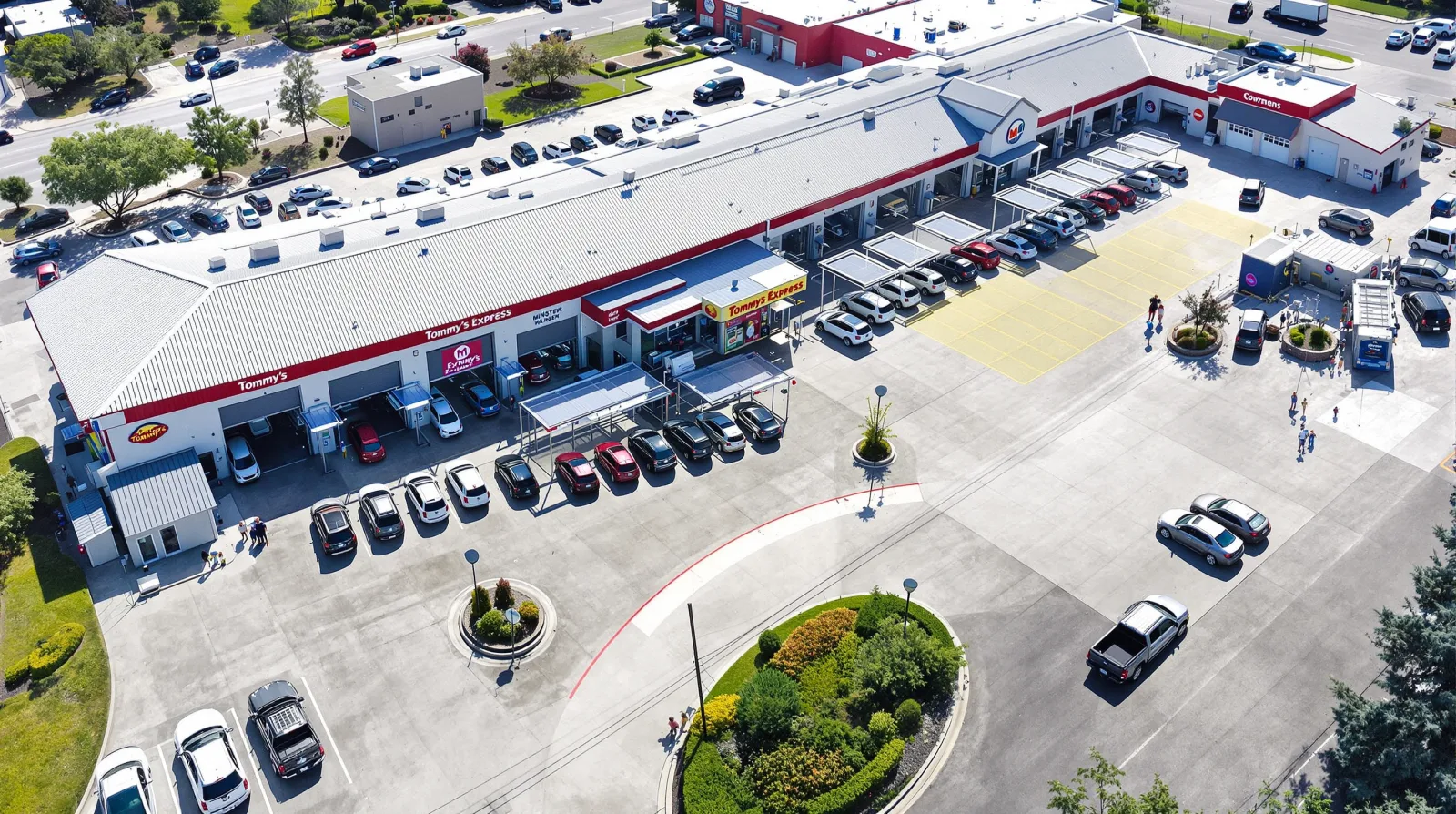
High-resolution imagery shows the building footprint, roof type and condition, site improvements (driveways, patios, pools, fencing, landscaping), parking areas, and surrounding context. Multiple imagery dates allow identification of additions or renovations over time. Listing Photos and Owner-Submitted Documentation
Interior photos from MLS listings, Airbnb listings, or owner submissions show flooring types, cabinetry, fixtures, appliances, furnishing levels, and finish quality. Closing documents and tax assessments provide purchase price, lot dimensions, and transaction details.
our Airbnb tax strategy guide → Industry-Standard Construction Cost Database
The same standardized cost data used by site-visit firms. These databases provide component-level construction costs (per square foot, per unit, or per linear foot) for every building system, adjusted by geography and construction year. This is the foundation of the cost estimation, regardless of whether the study uses remote or in-person observation. OpenStreetMap and Public GIS Data
Building footprints, land use classifications, and surrounding context. For commercial properties, this data helps identify building type, adjacent land uses, and site characteristics that inform the cost analysis.
The combination of these sources provides a comprehensive property profile. For a standard single family home, duplex, or small commercial building, the data available remotely is functionally equivalent to what a site visit produces. The building’s square footage, construction type, age, and room layout come from assessor records. The site improvements come from satellite imagery. The interior finishes come from listing photos and owner documentation. The cost analysis comes from the same industry-standard construction cost data that every cost seg firm uses.

Side-by-Side: Traditional vs. Remote
| Factor | Traditional (Site Visit) | Remote Observation |
| Typical cost | $5,000–$15,000 | $895–$1,595 (residential) |
| Timeline | 4–8 weeks | Usually the next business day |
| Scheduling required | Yes—coordinate with engineer and tenant | No |
| Cost data source | nationally-recognized cost data | industry-standard cost data |
| Property data sources | Physical inspection + assessor records | Assessor records + satellite + listing photos + owner docs |
| IRS methodology | Engineering-based (ATG compliant) | Engineering-based (ATG compliant) |
| Report contents | Component-level MACRS classification, depreciation schedules | Component-level MACRS classification, depreciation schedules |
| Ideal for | Complex commercial, specialized facilities | Residential, standard commercial, most investment properties |
The output is the same: a component-level depreciation analysis that reclassifies building assets from the default 27.5-year or 39-year schedule into 5-year, 7-year, and 15-year MACRS recovery periods. The difference is in the delivery method, timeline, and cost. For more detail on how long the process takes and what it costs, see those dedicated pages.
When a Site Visit Genuinely Adds Value
Remote observation works well for the vast majority of properties. But there are cases where a physical inspection provides information that remote data sources can’t fully capture:
Highly specialized commercial facilities. A pharmaceutical manufacturing plant, data center, or heavy industrial facility may have custom mechanical systems, specialized electrical distribution, or process-specific infrastructure that isn’t visible from external data sources. These properties have non-standard components that require direct observation to classify correctly. For data centers specifically, we contract a credentialed engineer who performs an on-site field observation and signs the study — see what that looks like in our data center cost segregation sample report.
Properties with significant undocumented renovations. If a property has undergone major interior renovations that aren’t reflected in assessor records, listing photos, or any submitted documentation, a site visit may be the only way to identify and classify those improvements.
Very large commercial portfolios where the marginal cost of a site visit is low. For a $50M office tower where the study fee might be $50,000+, adding a $2,000 site visit is a rounding error and provides an additional layer of documentation.
For a $500,000 rental house, a $750,000 Airbnb, or a $2M strip retail center, the property’s characteristics are well-documented through public records and digital sources. A site visit adds cost and time without meaningfully changing the analysis. To understand what a cost segregation study covers and how the analysis is structured, see our overview page.
Frequently Asked Questions Does the IRS require a site visit for cost segregation?
No. The IRS Cost Segregation Audit Techniques Guide evaluates studies based on methodology quality, component classification accuracy, and adequacy of documentation—not on whether a physical site visit occurred. The standard is whether the analyst had sufficient information to make defensible classifications. Remote observation using satellite imagery, assessor data, and construction cost databases can meet this standard for residential and standard commercial properties. Is a remote cost segregation study as accurate as one with a site visit?
For standard residential and commercial properties, yes. The component-level cost analysis uses the same industry-standard construction cost data regardless of observation method. The property data—square footage, construction type, age, room counts, site improvements—comes from county assessor records, satellite imagery, and listing photos, which provide the same information a site visit would. For highly specialized commercial facilities with non-standard systems, a site visit may capture details that remote data sources miss. Why do traditional firms charge for site visits?
Traditional cost seg firms built their processes before high-resolution satellite imagery, comprehensive digital assessor databases, and standardized construction cost APIs were widely available. Physical inspection was the only reliable way to document a property. Many firms continue using this model because it supports higher per-study pricing ($5,000–$15,000) and because their workflows were designed around it. The site visit itself is typically a few hours, but travel, scheduling, and report preparation add weeks and significant cost.
Related Reading
- What Documents Do I Need for a Cost Segregation Study?
- Can You Do Your Own Cost Segregation Study? (DIY vs Professional)
- Do I Need Real Estate Professional Status for Cost Segregation?
Remote by Default. No Scheduling. No Waiting.
Free preliminary depreciation estimate — property summary, basis allocation, five-year schedule. We do the work; you get the PDF.
See my estimated Year-1 savings →Frequently asked
Does the IRS require a site visit for cost segregation?
No. The IRS Cost Segregation Audit Techniques Guide evaluates studies based on methodology quality, component classification accuracy, and adequacy of documentation — not on whether a physical site visit occurred. The standard is whether the analyst had sufficient information to make defensible classifications. Remote observation using satellite imagery, assessor data, and construction cost databases can meet this standard for residential and standard commercial properties.
Is a remote cost segregation study as accurate as one with a site visit?
For standard residential and commercial properties, yes. The component-level cost analysis uses the same industry-standard construction cost data regardless of observation method. The property data — square footage, construction type, age, room counts, site improvements — comes from county assessor records, satellite imagery, and listing photos, which provide the same information a site visit would. For highly specialized commercial facilities with non-standard systems, a site visit may capture details that remote data sources miss.
Why do traditional firms charge for site visits?
Traditional cost seg firms built their processes before high-resolution satellite imagery, comprehensive digital assessor databases, and standardized construction cost APIs were widely available. Physical inspection was the only reliable way to document a property. Many firms continue using this model because it supports higher per-study pricing ($5,000–$15,000) and because their workflows were designed around it. The site visit itself is typically a few hours, but travel, scheduling, and report preparation add weeks and significant cost.