Form 3115 for Cost Segregation: Step-by-Step Guide (2026)
The IRS form that catches up years of missed depreciation in one return. Section 481(a) mechanics, automatic consent, and the 5 mistakes that trigger scrutiny.

The IRS form that catches up years of missed depreciation in one return. Section 481(a) mechanics, automatic consent, and the 5 mistakes that trigger scrutiny.
Regulation reference: the canonical reference for Form 3115 cost segregation method changes — automatic change-number 7 under Rev. Proc. 2019-08, the §481(a) catch-up adjustment, and the IRS Ogden duplicate-copy procedure — lives at /regulations/form-3115/. The procedural framework is there; this post is the long-form explainer.
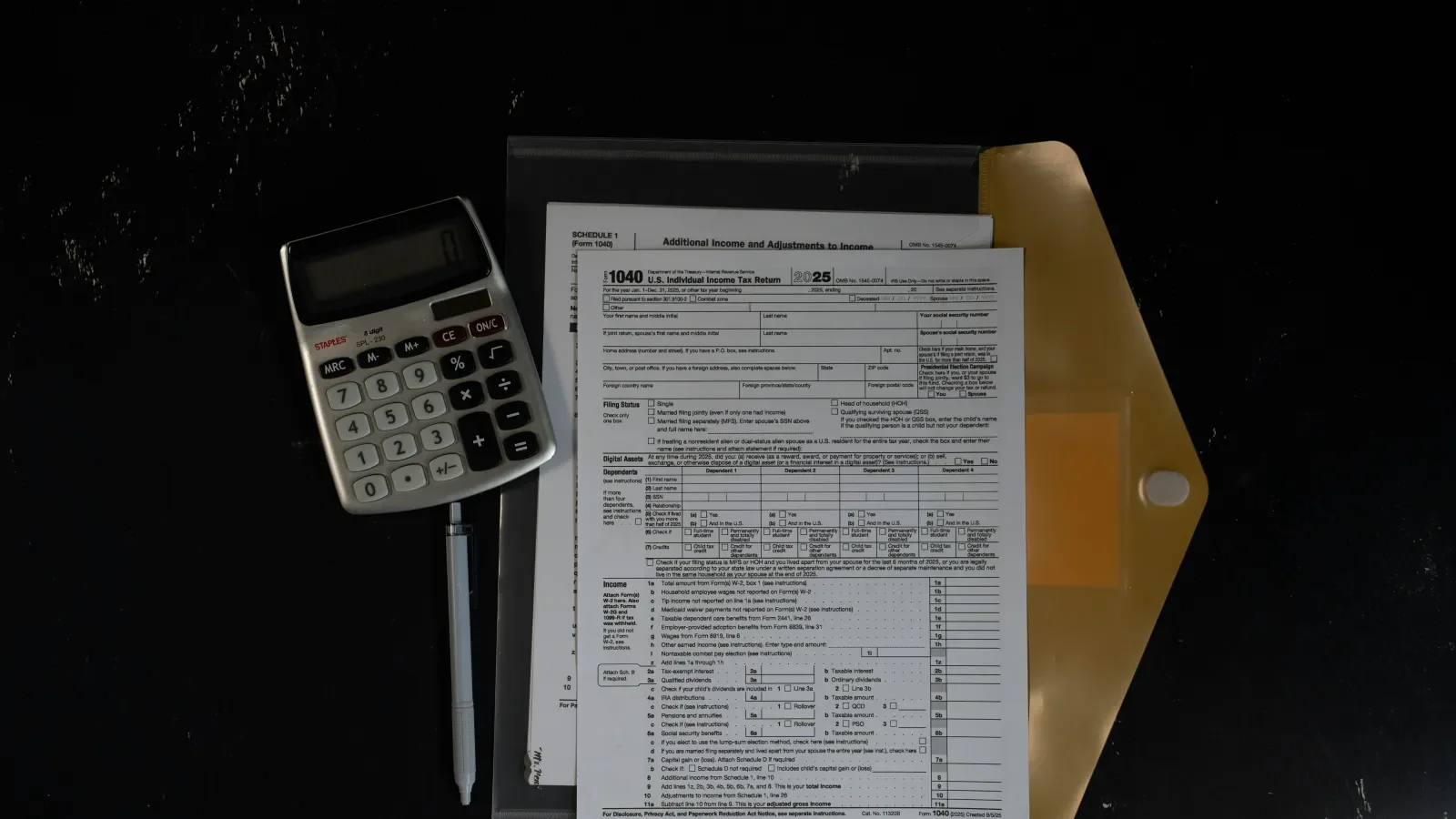
Form 3115 is the IRS Application for Change in Accounting Method. Property owners file it when they do a lookback cost segregation study — changing their depreciation method retroactively and claiming a Section 481(a) adjustment that catches up all missed accelerated depreciation in a single tax year.
Key Takeaways
- Form 3115 is the IRS form you use to change your depreciation method after a cost segregation study — usually for lookback studies on properties you’ve owned for a year or more
- The Section 481(a) adjustment lets you catch up all the missed depreciation in one year instead of amending every prior return
- Most cost seg method changes qualify for automatic consent under Revenue Procedure 2015-13 — you file with your return and the change takes effect immediately
- Filing Form 3115 doesn’t trigger an audit, but your cost segregation study needs to be engineering-based and well-documented to hold up under scrutiny
What Is Form 3115 and Why Does It Matter for Cost Segregation?
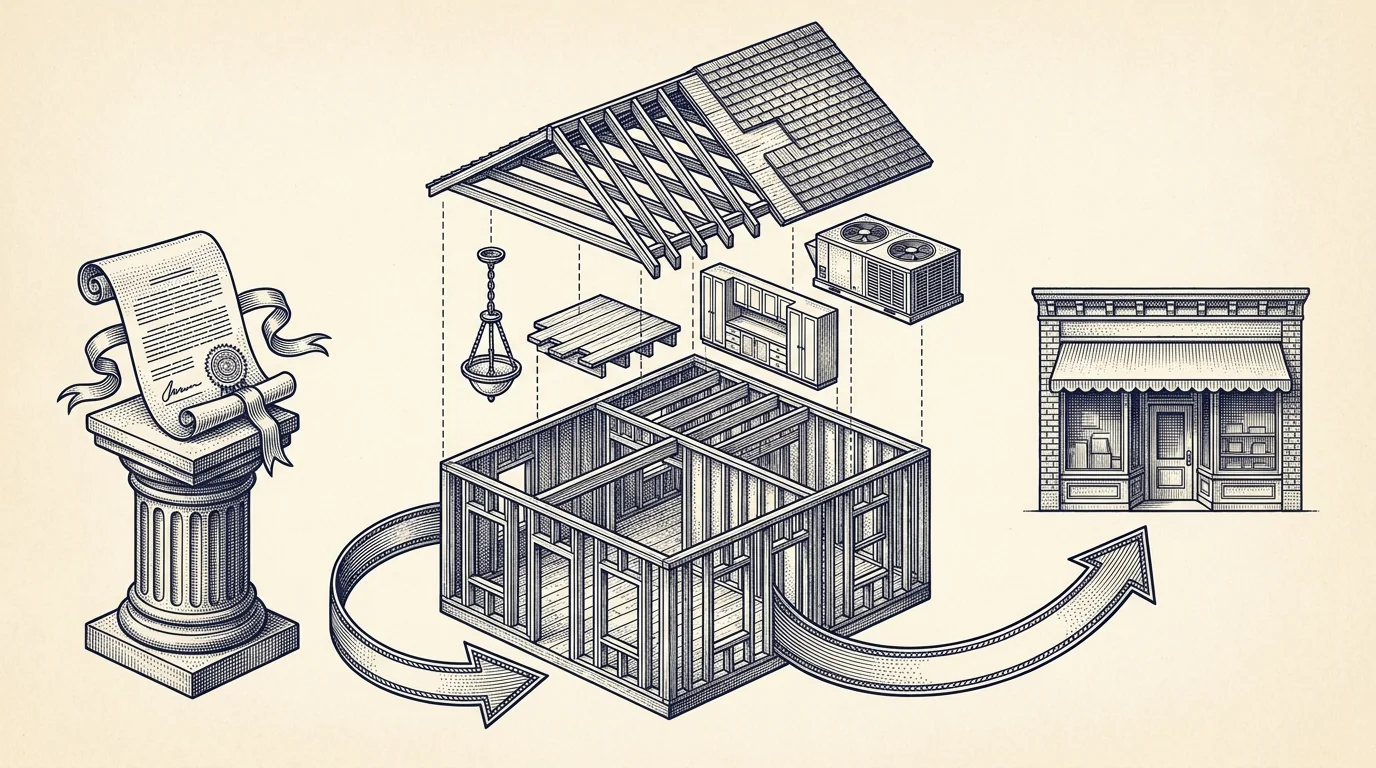
If you’ve been depreciating a rental property the standard way — straight-line over 27.5 years for residential, 39 years for commercial — and then you order a cost segregation study that reclassifies components into 5, 7, and 15 year schedules, you’ve technically changed your accounting method. The IRS wants to know about that, and they want you to reconcile the old method with the new one. That’s what Form 3115 (Application for Change in Accounting Method) does.
The mechanics sound bureaucratic, but the outcome is genuinely great for property owners. Without Form 3115, you’d have to amend every prior year’s return to get the accelerated depreciation back. With it, you catch up everything in the current year’s return in one shot (see how cost seg shows up on your return for the Schedule E mechanics). That “catch-up” is called a Section 481(a) adjustment, and for a property purchased a few years ago, it can easily be $50K to $200K of deductions landing all on this year’s taxes.
The confusion most property owners have is that Form 3115 sounds scary. It isn’t. The IRS processes hundreds of thousands of these every year — most of them routine. When your CPA files it with your return alongside an engineering-based cost segregation study, it’s just paperwork catching up with what the law already allowed you to do.
how cost segregation studies work →
When You Need to File Form 3115
There are two main cost segregation scenarios, and only one of them requires Form 3115:
| Scenario | Form 3115 Required? | What You Do Instead |
|---|---|---|
| Lookback study | ||
| (property owned 1+ years) | Yes | File Form 3115 with current year return + take Section 481(a) adjustment |
| Placed-in-service year | ||
| (property purchased this year) | No | Apply reclassification directly on current year return — no form change |
| New construction / renovation | ||
| placed in service this year | No | Apply cost segregation directly — no method change because there was no prior method |
| Already filed return this year | ||
| — study done after filing | Yes (or amend) | File Form 3115 next year, or amend the current year return if still within the window |
The most common case — and the one that confuses people — is the lookback study. You bought a rental in 2022, you’ve been depreciating it straight-line for three years, and in 2026 you decide to order a cost segregation study. That study reclassifies components retroactively. Form 3115 is what makes that retroactive reclassification legal without amending every prior return.

The Section 481(a) Adjustment — Catching Up Missed Depreciation
Section 481(a) is the part of the tax code that makes Form 3115 actually valuable. It says: when you change your accounting method, you have to calculate the difference between the depreciation you took under the old method and the depreciation you should have taken under the new method. That difference gets bundled into one adjustment in the year you file Form 3115.
Here’s what that looks like in practice:
$800K Nashville rental — purchased 2022, lookback study in 2026
| Line item | Amount |
| Purchase price | $800,000 |
| Land allocation (20%) | ($160,000) |
| Depreciable basis | $640,000 |
| Straight-line depreciation taken (2022–2025) | $93,091 |
| Cost seg reclassification (32% to short-life) | $204,800 |
| What 2022–2025 depreciation should have been (with 100% bonus) | $185,491 |
| Section 481(a) catch-up adjustment (2026) | $92,400 |
That $92,400 lands as a negative adjustment on the 2026 return — on top of whatever regular depreciation the property generates that year. At a 37% federal marginal rate, that single line on a single form is worth about $34,000 in tax savings. The study cost $495–$995 depending on property value.
The key thing: the math only works if the underlying cost segregation study is engineering-based and defensible. A generic rule-of-thumb allocation won’t hold up if the IRS takes a look. For what “defensible” means in practice, see our guide on IRS defensibility requirements. That’s why the study matters more than the form. Use our Form 3115 lookback calculator to estimate your catch-up deduction.
Step-by-Step: How Form 3115 Gets Filed Step 1: Order the cost segregation study
The study is the foundation of everything. It identifies which components qualify for 5, 7, and 15 year depreciation and provides the engineering documentation that supports the reclassification. Without this, Form 3115 has no basis. Step 2: Calculate the Section 481(a) adjustment
Your CPA (or the cost segregation provider’s calculation in the study) compares the depreciation you took under the old method to what you should have taken under the new method. The difference is your 481(a) adjustment — usually a big negative number in your favor. Step 3: File Form 3115 with your tax return
Form 3115 attaches to your tax return (Form 1040 for individuals, 1065 for partnerships, 1120-S for S-corps). For automatic consent filings — which is most cost seg scenarios — you also mail a duplicate copy to the IRS National Office. Your CPA handles this. Step 4: Apply the accelerated depreciation going forward
Once the method change is in effect, you depreciate the reclassified components on their new short-life schedules. If 100% bonus depreciation applies (which it does for 2025+ under OBBBA), most of the accelerated deduction shows up in Year 1. Step 5: Hold the documentation for the full holding period
Keep the cost segregation study, the Form 3115 filing, and the 481(a) adjustment calculation with your tax records. If you’re ever audited — or if you sell the property and need to calculate depreciation recapture (see depreciation recapture implications) — this paper trail is what you’ll reference.
Common Mistakes That Trigger IRS Scrutiny
Form 3115 filings themselves are routine. The problems happen when the supporting work is sloppy. Here’s what actually gets flagged:
1. Using rule-of-thumb allocations instead of an engineering study. Some CPAs try to do cost segregation themselves by applying a generic percentage to the building. The IRS Audit Techniques Guide explicitly states that “rule-of-thumb” studies are not defensible. If your cost seg was done on the back of a napkin, Form 3115 won’t save you.
2. Missing the 481(a) calculation entirely. Form 3115 requires a specific Section 481(a) adjustment amount. Leaving it blank, miscalculating it, or rounding aggressively are all ways to invite questions. A proper cost segregation report should provide this number directly.
3. Filing for the wrong designated automatic method change number. Cost segregation typically uses designated change number #7 under Rev. Proc. 2015-13. Using the wrong code, or filing under advance consent when automatic consent applies, delays everything and may require refiling. For a step-by-step Form 3115 filing walkthrough, we maintain a separate guide at catchupdepreciation.com.
4. Not attaching Form 3115 to the actual return. Form 3115 has to attach to the return, not be mailed separately. It also has to be filed by the due date of the return (including extensions). Miss that deadline and the method change doesn’t take effect for that year.
5. Applying the change before it’s effective. You can’t claim accelerated depreciation on a return without filing Form 3115 at the same time. Doing one without the other creates a mismatch the IRS computers will catch.
What the IRS Timeline Looks Like After Filing
For automatic consent filings — which covers virtually all cost segregation scenarios — there is no waiting period. You file Form 3115 with your return, the method change takes effect for that year, and the IRS doesn’t send an approval letter. Their silence is the approval. That’s the beauty of the automatic consent system.
The duplicate copy you mail to the IRS National Office is for their records. You won’t get a response to that either unless something is wrong. If there’s a problem, you’d typically hear about it in the form of an examination notice 12-24 months later, which is the same timeline for any return.
One thing worth knowing: the IRS has been consistent for 20+ years that engineering-based cost segregation studies, properly documented with Form 3115, are an accepted tax strategy. There’s nothing aggressive or gray-area about it. The reason most property owners don’t do it isn’t fear of the IRS — it’s that they didn’t know they could.
Related Reading
- Lookback Cost Segregation Studies: How to Recover Missed Depreciation
- What Your CPA Needs to Know About Cost Segregation
- Does Cost Segregation Increase Your Audit Risk?
Frequently Asked Questions Do I need to file Form 3115 if I do cost segregation in the same year I buy the property?
No. If you order a cost segregation study in the same tax year you place the property in service, you apply the accelerated depreciation directly on that year’s return. Form 3115 is only required when you’re changing from a method you already used in a prior year — which happens with lookback studies on properties you’ve already been depreciating the straight-line way. Can I file Form 3115 without a cost segregation study?
Technically yes, but it’s a bad idea. Form 3115 requires you to calculate a Section 481(a) adjustment, which is the difference between the depreciation you took and what you should have taken. Without an engineering-based study supporting the component reclassifications, you have no defensible basis for that calculation. The IRS can disallow the adjustment and you’d owe back taxes plus interest. For pricing across cost seg providers, see costsegregationreviews.com — a comparison resource we maintain. How long does the IRS take to process Form 3115?
For automatic consent filings — which covers most cost segregation scenarios — there’s no waiting period. You file Form 3115 with your return and the change takes effect for that tax year. The IRS doesn’t send an approval; silence is approval. For advance consent filings (rare for cost seg), you wait for IRS approval, which can take 6–12 months. What’s the difference between automatic and advance consent?
Automatic consent covers accounting method changes the IRS has pre-approved — you just file Form 3115 with your return. Cost segregation lookback studies typically fall under automatic consent under Revenue Procedure 2015-13 (Change #7, depreciation method change). Advance consent is for unusual or aggressive changes where you need IRS approval first. Your CPA will know which applies. Can I amend a prior return instead of filing Form 3115?
No, not for depreciation method changes. The IRS specifically requires Form 3115 for changes in accounting method — you can’t amend prior returns to apply cost segregation retroactively. The Section 481(a) adjustment bundles all the prior-year catch-up into the current year’s return, which is more efficient than amending multiple prior years anyway. Does Form 3115 trigger an audit?
Filing Form 3115 itself does not trigger an audit. The IRS receives hundreds of thousands of these every year — it’s a routine filing. What matters is whether the underlying cost segregation study is defensible. A well-documented engineering-based study from a qualified provider is designed to withstand IRS scrutiny. See our guide on whether cost segregation increases audit risk for more detail.
See What Your Lookback Study Could Recover
Free preliminary depreciation estimate — property summary, basis allocation, five-year schedule. We do the work; you get the PDF.
See my estimated Year-1 savings →Frequently asked
Do I need to file Form 3115 if I do cost segregation in the same year I buy the property?
No. If you order a cost segregation study in the same tax year you place the property in service, you apply the accelerated depreciation directly on that year's return. Form 3115 is only required when you're changing from a method you already used in a prior year — which happens with lookback studies on properties you've already been depreciating the straight-line way.
Can I file Form 3115 without a cost segregation study?
Technically yes, but it's a bad idea. Form 3115 requires you to calculate a Section 481(a) adjustment, which is the difference between the depreciation you took and what you should have taken. Without an engineering-based study supporting the component reclassifications, you have no defensible basis for that calculation. The IRS can disallow the adjustment and you'd owe back taxes plus interest.
How long does the IRS take to process Form 3115?
For automatic consent filings — which covers most cost segregation scenarios — there's no waiting period. You file Form 3115 with your return and the change takes effect for that tax year. The IRS doesn't send an approval; silence is approval. For advance consent filings (rare for cost seg), you wait for IRS approval, which can take 6–12 months.
What's the difference between automatic and advance consent?
Automatic consent covers accounting method changes the IRS has pre-approved — you just file Form 3115 with your return. Cost segregation lookback studies typically fall under automatic consent under Revenue Procedure 2015-13 (Change #7, depreciation method change). Advance consent is for unusual or aggressive changes where you need IRS approval first. Your CPA will know which applies.
Can I amend a prior return instead of filing Form 3115?
No, not for depreciation method changes. The IRS specifically requires Form 3115 for changes in accounting method — you can't amend prior returns to apply cost segregation retroactively. The Section 481(a) adjustment bundles all the prior-year catch-up into the current year's return, which is more efficient than amending multiple prior years anyway.
Does Form 3115 trigger an audit?
Filing Form 3115 itself does not trigger an audit. The IRS receives hundreds of thousands of these every year — it's a routine filing. What matters is whether the underlying cost segregation study is defensible. A well-documented engineering-based study from a qualified provider is designed to withstand IRS scrutiny.