Bottom Line
- Cost segregation saves you federal taxes in every state—no exceptions
- Several major states (California, New York, New Jersey) do not conform to federal bonus depreciation rules
- Non-conformity only affects the state-level portion of your tax savings—not federal
- Nine states have no income tax at all, making state conformity irrelevant
Cost segregation saves you federal taxes everywhere. The IRS allows 100% bonus depreciation on reclassified building components regardless of where your property sits. But state tax savings depend on whether your state conforms to federal bonus depreciation rules.
Several major states—including California and New York—do not allow bonus depreciation for state tax purposes. That means your state deduction schedule will differ from federal. Your CPA handles this with separate depreciation schedules, and it does not reduce the federal benefit. But it's worth understanding before you order a study so you set the right expectations with your tax advisor.
Here's the current landscape as of 2026, following the permanent restoration of 100% bonus depreciation under the One Big Beautiful Bill Act.
States That Conform to Federal Bonus Depreciation
Most states either conform to federal depreciation rules (including bonus depreciation) or have no income tax at all. If your property is in one of these states, cost segregation savings flow through to both your federal and state returns without modification.
| State | Status | Notes |
|---|---|---|
| Arizona | Conforms | Rolling conformity to federal IRC |
| Colorado | Conforms | Uses federal taxable income as starting point |
| Georgia | Conforms | Rolling conformity; follows federal bonus depreciation |
| Idaho | Conforms | Conforms to federal depreciation provisions |
| Illinois | Conforms | Uses federal AGI as starting point |
| Indiana | Conforms | Rolling conformity to IRC |
| Kansas | Conforms | Follows federal depreciation rules |
| Louisiana | Conforms | Uses federal AGI as starting point |
| Michigan | Conforms | Follows federal depreciation provisions |
| Montana | Conforms | Rolling conformity to IRC |
| New Mexico | Conforms | Uses federal taxable income as starting point |
| North Carolina | Conforms | Rolling conformity to IRC |
| Oklahoma | Conforms | Follows federal depreciation provisions |
| South Carolina | Conforms | Rolling conformity to IRC |
| Utah | Conforms | Uses federal taxable income as starting point |
This is not an exhaustive list. Most states with an income tax conform to federal depreciation rules in some form. The key exceptions are listed in the next section. If your state isn't listed in either table, check with your CPA—conformity rules can change with each legislative session.
States That Do Not Conform to Federal Bonus Depreciation
These states have explicitly decoupled from federal bonus depreciation. If your property is here, you still get the full federal benefit of cost segregation. The difference is at the state level only: your CPA files a standard MACRS depreciation schedule for your state return instead of claiming the accelerated Year 1 deduction.
| State | Bonus Dep. Status | What Happens |
|---|---|---|
| California | Does not conform | Must use regular MACRS schedules for state return. No bonus depreciation for California purposes. |
| New York | Does not conform | Requires add-back of bonus depreciation on state return. Spreads deduction over the asset's full recovery period. |
| New Jersey | Does not conform | No bonus depreciation for state purposes. Standard MACRS schedules apply at the state level. |
| Pennsylvania | Does not conform | Uses its own depreciation rules for state tax purposes. Bonus depreciation not recognized. |
| Connecticut | Does not conform | Requires modification on state return. Bonus depreciation must be added back. |
| Maryland | Partial conformity | Has historically imposed limitations on bonus depreciation. Rules vary by tax year—confirm current treatment with your CPA. |
| Minnesota | Does not conform | Requires 80% add-back of bonus depreciation. Remaining 20% allowed in year of purchase. |
| Virginia | Partial conformity | Has imposed caps or partial add-backs on bonus depreciation in prior years. Check current rules with your CPA. |
| Hawaii | Does not conform | Does not allow bonus depreciation for state purposes. Standard depreciation schedules required. |
| Wisconsin | Does not conform | Requires add-back of bonus depreciation on state return. |
State tax rules change. Legislatures update IRC conformity dates and modify depreciation provisions regularly. The information above reflects rules as of early 2026. Always confirm your state's current position with your CPA before filing.

What Non-Conformity Actually Means for You
If your property is in California, New York, or another non-conforming state, here is what happens in practice:
- You still get federal bonus depreciation. The reclassification of building components into 5, 7, and 15-year MACRS classes happens on your federal return. 100% bonus depreciation applies. This is where the large Year 1 deduction comes from, and it is available in every state.
- State-level depreciation follows standard MACRS schedules. Instead of deducting the full reclassified amount in Year 1 on your state return, the deduction is spread over the applicable 5, 7, or 15-year recovery period. You still get the same total state deduction over time—just not all at once.
- Your CPA files different depreciation schedules for federal vs. state. This is standard practice. Any CPA familiar with rental property taxation in a non-conforming state already does this. Your cost segregation report provides the component-level detail needed for both schedules.
- The cost segregation component reclassification itself still applies at the state level. Even in non-conforming states, the shorter MACRS recovery periods (5, 7, 15 years vs. 27.5 or 39 years) are recognized. The non-conformity is specifically about bonus depreciation—the Year 1 acceleration—not about which recovery period a component belongs to.
This is a bookkeeping difference, not a reason to skip cost segregation. The federal benefit is the primary driver of savings, and it is unaffected by state rules. For a property with $200,000 in reclassified components, the federal deduction in Year 1 is $200,000 regardless of state. A California investor at the 37% federal bracket still saves $74,000 in federal taxes on that deduction.
The state portion—typically 4–13% depending on the state's income tax rate—is smaller to begin with, and it's not lost, just spread over the component's recovery period. For deeper context on how cost segregation studies work and what the report includes, see our overview.
States With No Income Tax
If your property is in one of these nine states, state-level conformity is irrelevant. There is no state income tax to worry about. You receive the full federal benefit of cost segregation with zero state-level complications.
*New Hampshire taxes interest and dividends only, not earned income or rental income.
Several of the most active real estate investment markets in the country—Florida, Texas, Tennessee, Nevada—fall into this category. If you own a short-term rental in Destin, a single family rental in Dallas, or a multifamily property in Nashville, the only depreciation schedule that matters is federal. For estimates on what cost segregation produces for different property types, see our benchmark data by property type.

The Key Takeaway
Cost segregation is worth it in every state. The federal benefit is the primary driver of tax savings, and it's available everywhere—California, New York, Texas, Florida, all 50 states. State non-conformity only affects the state-level portion, which is typically a smaller percentage of total savings.
If you're in a non-conforming state, the right move is to tell your CPA before filing. They'll prepare separate depreciation schedules for federal and state. The cost segregation report itself works the same way regardless of state—it provides component-level reclassification data that your CPA uses to build both schedules. For more on when cost segregation does and doesn't make financial sense, see when not to do cost segregation.
A Note on Accuracy
State tax conformity to the Internal Revenue Code is a moving target. States update their conformity dates through legislation, sometimes annually. The information in this article reflects rules as of early 2026, after the passage of the One Big Beautiful Bill Act that permanently restored 100% bonus depreciation at the federal level.
We have been conservative in our classifications. If a state's conformity status was ambiguous or subject to recent legislative change, we have noted that and recommend confirming with your CPA. This article is not a substitute for state-specific tax advice.
Frequently Asked Questions
No. California does not conform to federal bonus depreciation rules. If you own rental property in California, you still receive the full federal benefit—100% bonus depreciation on all reclassified components on your federal return. For California state taxes, your CPA will use standard MACRS depreciation schedules. The federal savings, which represent the bulk of cost segregation value, are completely unaffected.
Yes. Cost segregation is primarily a federal tax strategy. The reclassification of building components into shorter recovery periods and the application of 100% bonus depreciation happen on your federal return regardless of state. In non-conforming states, the only difference is that your state return uses standard depreciation schedules instead of the accelerated Year 1 deduction. The total state deduction over the life of the asset is the same—it's just spread over time rather than taken upfront. For most investors, federal savings at 24–37% are significantly larger than the state portion.
Nine states have no individual income tax: Alaska, Florida, Nevada, New Hampshire (interest and dividends only), South Dakota, Tennessee, Texas, Washington, and Wyoming. If your property is in one of these states, state-level conformity is irrelevant. You receive the full federal benefit with no state-level complications. Many of the most popular real estate investment markets—including Florida, Texas, and Tennessee—are in this group.
Related Articles

Bonus Depreciation in 2026: What Changed and What It Means
100% bonus depreciation is back permanently. Here's what the One Big Beautiful Bill Act means for real estate investors.
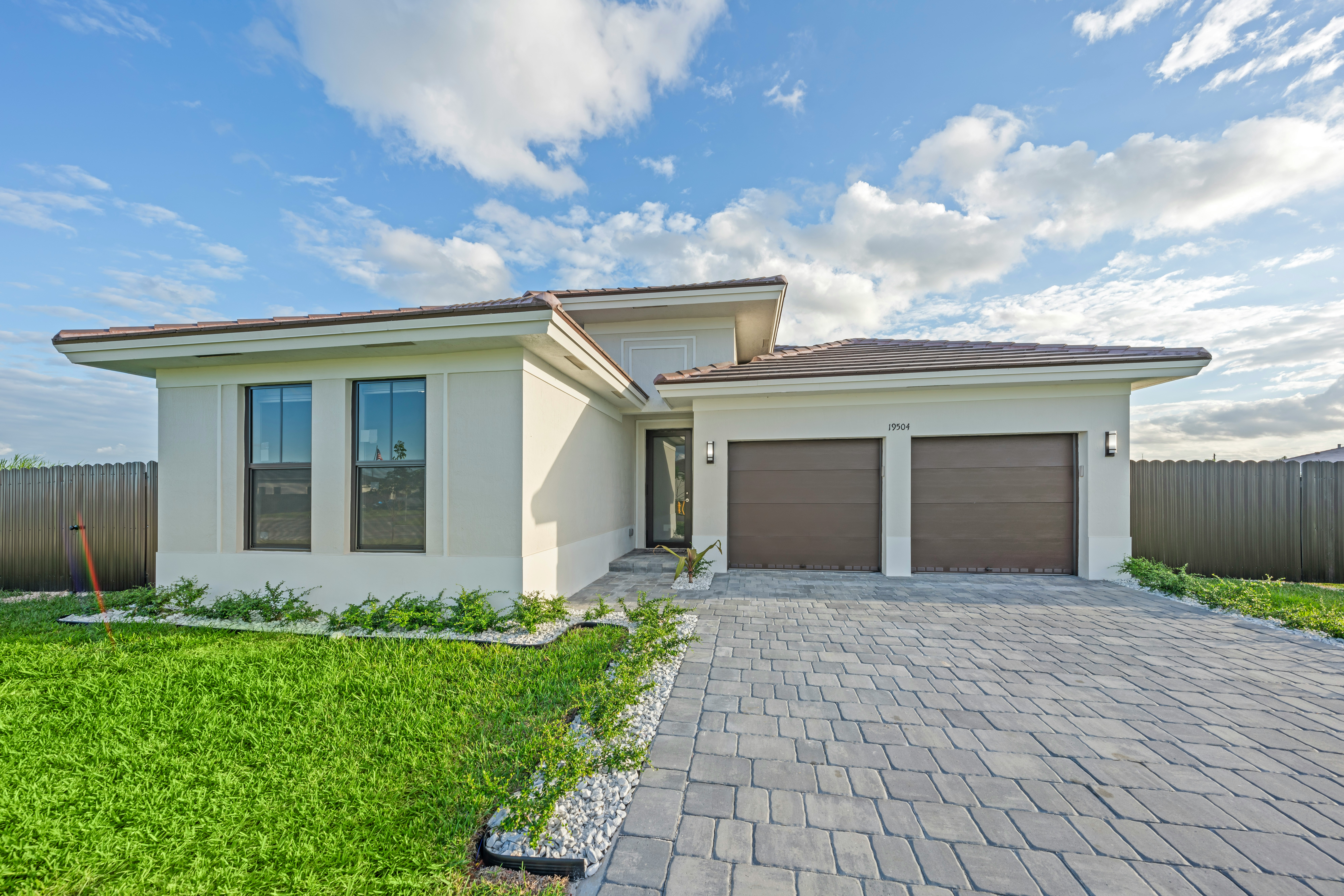
Cost Segregation Benchmarks by Property Type (2026 Data)
Typical reclassification rates and tax savings ranges across residential and commercial property types.

When Not to Do Cost Segregation
Cost seg isn't right for every property. Here's how to know if the economics work for yours.