$1M Rental: Your Cost Segregation Breakdown

A $1M rental property generates six-figure accelerated depreciation — a powerful tax benefit whether you're a portfolio investor or Real Estate Professional.

$144,000 Accelerated Depreciation
$53,280 Est. Year-1 Tax Savings
45x Return on Study Cost

Adjust Your Numbers

Depreciable Basis (80%) $800,000
Accelerated Depreciation $144,000
Est. Year-1 Tax Savings $53,280
Study Cost $1,195
Return on Study 45x
Order Your Study →

MACRS Depreciation Breakdown

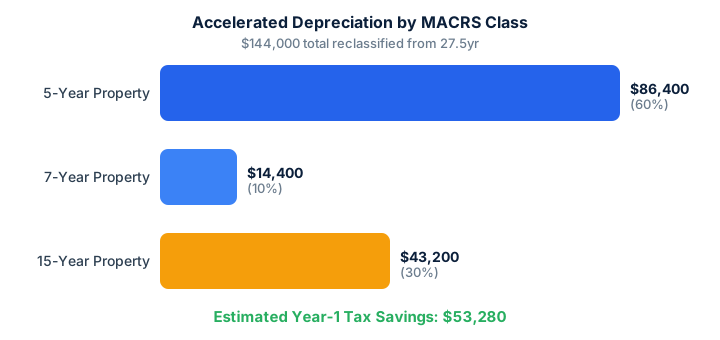
MACRS depreciation breakdown chart for $1,000,000 Rental Property
MACRS Class Amount % of Accelerated Bonus Eligible
5-Year Property $86,400 60% Yes — 100%
7-Year Property $14,400 10% Yes — 100%
15-Year Property $43,200 30% Yes — 100%
27.5yr Property $656,000 82% No — standard schedule
Total Depreciable Basis $800,000 100%
Method Year-1 Deduction Difference
Standard Straight-Line (27.5yr) $29,091
With Cost Segregation + Bonus $144,000 +$114,909
Estimated deduction based on typical cost segregation allocations for rental property properties. Actual study results may vary based on property-specific analysis including age, condition, renovations, and local construction costs.

What This Means for You
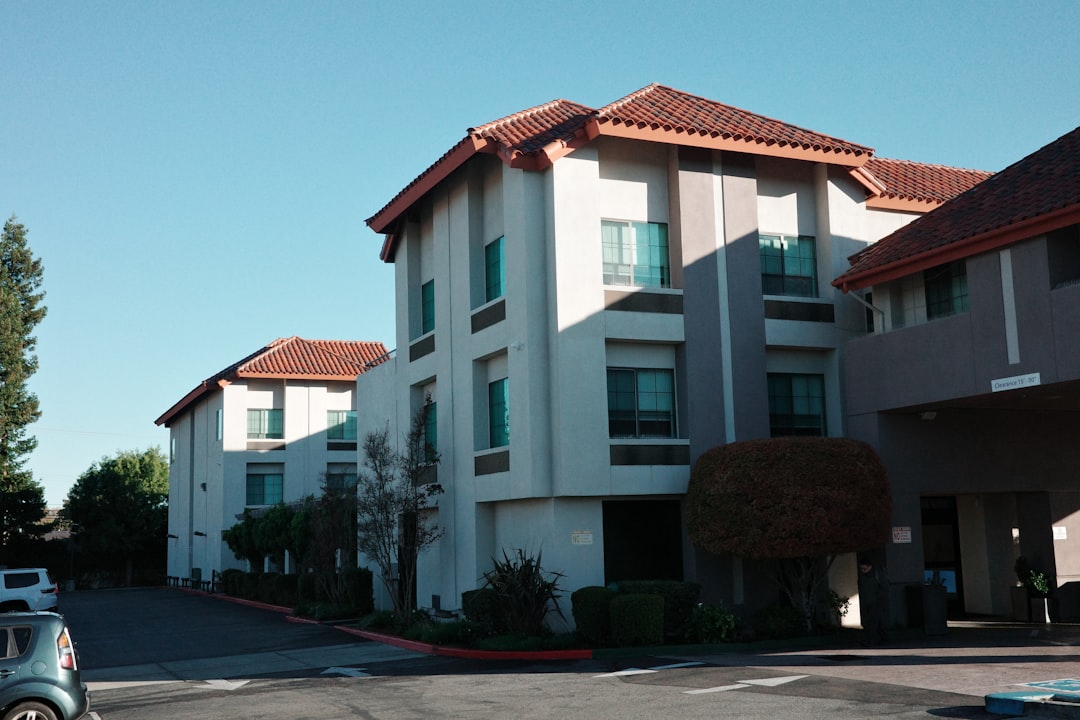
Rental Property property

At $1M, a single-family rental generates approximately $144K in accelerated depreciation through cost segregation — producing about $53K in first-year tax savings. The study cost of $1,295 represents less than 2.5% of the benefit. For investors who qualify as Real Estate Professionals, this entire deduction offsets ordinary income.

Rental properties at the million-dollar level are typically located in high-value markets — suburban Austin, coastal California, the DC metro area, or premium neighborhoods in Denver and Seattle. These homes feature high-quality construction with substantial reclassifiable components: built-in appliances, custom kitchens, upgraded electrical systems, engineered hardwood floors, and extensive landscaping and hardscaping.

At this investment level, many investors are building toward Real Estate Professional status (750+ hours/year in real estate activities), which removes the passive loss limitation entirely. Combined with cost segregation, REPS status transforms rental depreciation into an active weapon against W-2 income. The $53K in accelerated deductions from a single $1M rental can offset a significant portion of a high earner's tax liability.

IRS Compliant Methodology aligned with IRS Audit Techniques Guide
📈
CPA-Ready Reports 30-40 page PDF your CPA can file directly
💰
Money-Back Guarantee Full refund if the study doesn't save you money
📄
See a Sample Download sample report

Compare: Rental Property at Different Price Points

Price Accelerated Tax Savings Study Cost ROI
$300K $43,200 $15,984 $795 20x
$500K $72,000 $26,640 $795 34x
$750K $108,000 $39,960 $795 50x
$400K $57,600 $21,312 $795 27x
$600K $86,400 $31,968 $795 40x
$1M $144,000 $53,280 $1,195 45x

Compare: $1,000,000 Across Property Types

Property Type Accelerated Tax Savings Study Cost ROI
Airbnb / Short-Term Rental $272,000 $100,640 $1,195 84x
Multifamily $144,000 $53,280 $1,195 45x
Rental Property $144,000 $53,280 $1,195 45x

Frequently Asked Questions

What is a cost segregation study?

A cost segregation study is an engineering-based analysis that reclassifies components of your property into shorter IRS depreciation categories (5, 7, and 15 years) instead of the default 27.5 or 39 years. This accelerates your depreciation deductions, reducing your tax bill in the early years of ownership.

Can I use cost segregation deductions against my W-2 income?

For long-term rentals, depreciation deductions are generally passive and can only offset passive income. However, there are two key exceptions: (1) if your AGI is under $150K, you can deduct up to $25K in passive losses against ordinary income, and (2) if you qualify as a Real Estate Professional (750+ hours/year in real estate), all rental income becomes non-passive. STR owners who materially participate can deduct against W-2 income regardless.

What about depreciation recapture when I sell?

When you sell a property, the IRS recaptures accelerated depreciation at a maximum rate of 25%. However, the time value of money strongly favors taking the deduction now: $50K in tax savings today is worth far more than paying $12,500 in recapture tax years later. Additionally, a 1031 exchange can defer recapture indefinitely.

Ready to See Your Actual Savings?

Get a professional, IRS-defensible cost segregation study delivered in 3-5 business days. Starting at $795.

Order Your Study →

Related Examples