You Got a Cost Seg Study. Now What?
You got a 30-page cost segregation report in your inbox. Component breakdowns. MACRS schedules. Engineering narratives. It looks thorough. And you have absolutely no idea what to do with it next.
Here's the thing: the study doesn't change your tax return by itself. It's the data your CPA uses to reclassify assets, adjust depreciation schedules, and actually put the deductions on your filing. Without that second step, you just have an expensive PDF sitting in your downloads folder doing nothing.
This guide breaks down what's in the report, how your CPA uses it, and the conversations you need to have so you don't leave money on the table. Not tax advice -- that's your CPA's job -- but the knowledge you need to show up informed and make sure nothing falls through the cracks.
What's Inside a Cost Segregation Report
A well-prepared cost segregation study contains several key sections that your CPA will need. Understanding what's in the report helps you have a more productive conversation with your tax advisor.
- Component breakdown: Every property is broken into its individual components -- structural framing, HVAC systems, plumbing, electrical, flooring, cabinetry, appliances, landscaping, paving, and dozens more. Each component is assigned a cost based on engineering estimates and construction cost data.
- MACRS classification: Each component is classified into its proper Modified Accelerated Cost Recovery System category: 5-year personal property, 7-year property, 15-year land improvements, or 27.5-year / 39-year real property. This is where the tax benefit comes from -- moving costs out of the slow 27.5 or 39-year bucket into faster categories.
- Depreciation schedules: The report includes detailed depreciation tables showing the annual deduction for each asset category, including bonus depreciation calculations at the applicable rate for the year the property was placed in service.
- Engineering narrative: A section explaining the methodology, the basis for component classifications, and how costs were determined. This is what gives the study its IRS defensibility -- it's backed by engineering analysis, not guesswork.
Your CPA doesn't need to verify the engineering analysis. That's what the study is for. But they do need to understand the output so they can apply it correctly to your return.
Form 4562: Where the Study Data Goes
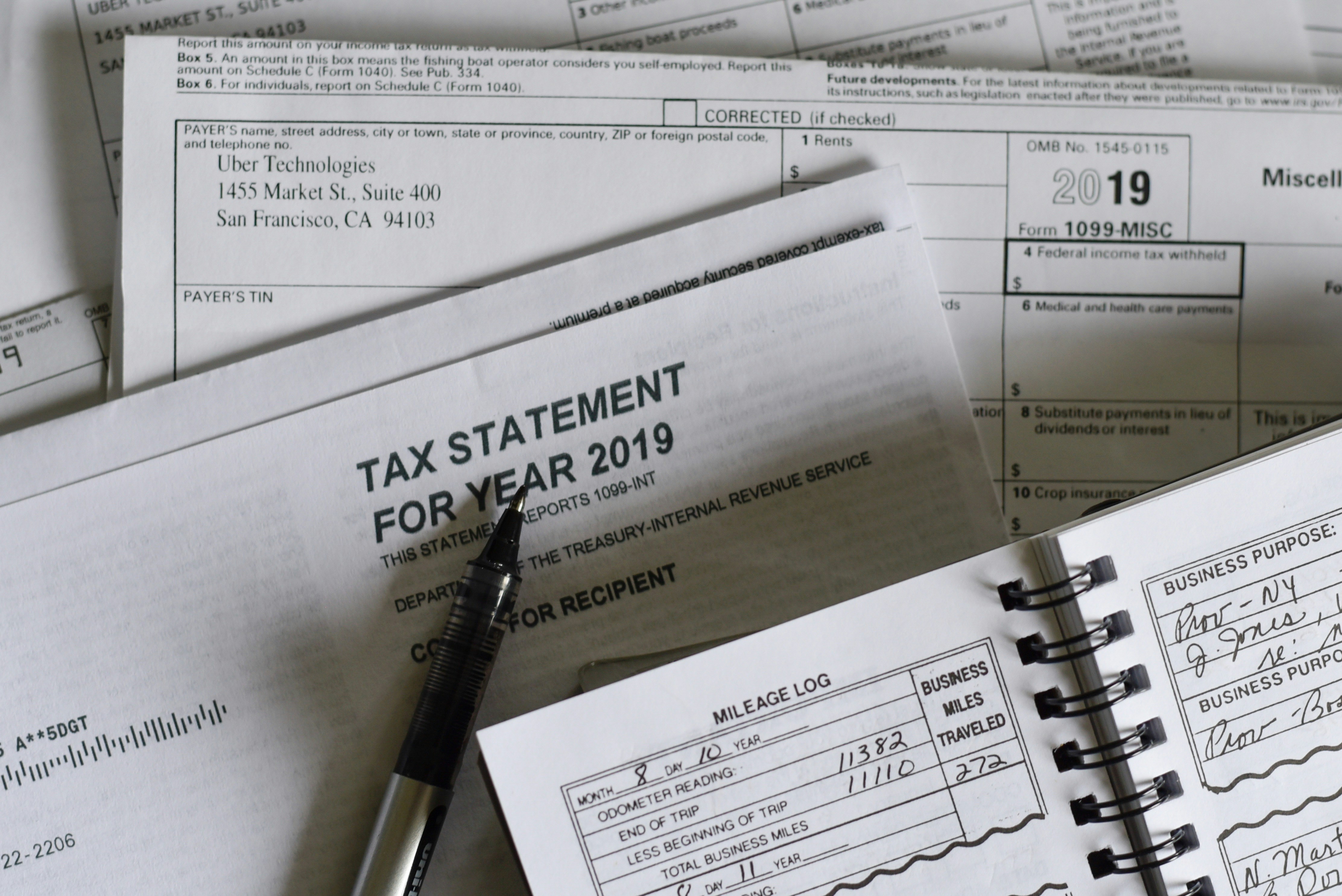
For properties acquired in the current tax year, the cost segregation data flows into Form 4562 (Depreciation and Amortization). This is the form your CPA uses to report all depreciation deductions on your return. Here's how the study maps to it:
- Part II (MACRS Depreciation): Your CPA enters each asset category -- 5-year, 7-year, 15-year, and 27.5/39-year property -- with the corresponding cost basis from the study. The depreciation method (GDS 200% DB for personal property, 150% DB for 15-year property, straight-line for real property) and convention (half-year or mid-month) are applied to each category.
- Part III (Bonus Depreciation / Section 168): If bonus depreciation applies, the eligible amounts for 5-year, 7-year, and 15-year property are reported here. The bonus percentage depends on the year the property was placed in service.
Most tax software (ProSeries, Lacerte, UltraTax, Drake) has specific fields for entering cost segregation data. A CPA-ready report is designed to make this data entry straightforward -- the numbers map directly to the form fields.
Practical tip: When you hand the study to your CPA, point them to the depreciation summary table. This is the section that consolidates total costs by MACRS category. Most CPAs will go straight to this table for data entry and reference the detailed component schedules only if they need to verify a specific classification.
Form 3115: The Lookback Scenario
If you purchased your property in a prior year and are doing a cost segregation study now -- what's known as a "lookback study" -- the process is different. Your CPA can't just start using the new depreciation schedules going forward. Instead, they file Form 3115 (Application for Change in Accounting Method) to implement the reclassification retroactively.
Here's how it works: your CPA calculates the difference between the depreciation you actually claimed on prior returns (straight-line over 27.5 or 39 years for everything) and what you would have claimed if the cost segregation study had been in place from the beginning. That cumulative difference is called the Section 481(a) adjustment, and it gets reported on your current-year return as a single catch-up deduction.
The good news: this type of accounting method change falls under the IRS's automatic consent procedures (Revenue Procedure 2015-13, as updated). Your CPA files the 3115 with your return. No advance IRS approval is required. And you don't need to amend any prior-year returns.
The key detail your CPA needs from you: the date you placed the property in service and the depreciation you've claimed in prior years. They'll also need to know whether bonus depreciation was available in the year you acquired the property, since that affects the 481(a) calculation.
Bonus Depreciation: What Your CPA Needs to Apply
Bonus depreciation is the multiplier that makes cost segregation so powerful. It allows you to deduct a large percentage of the reclassified asset costs in Year 1, rather than spreading them over 5, 7, or 15 years. But the rate depends on timing, and your CPA needs to apply the correct percentage.
Here's the current schedule:
- 2023: 80% bonus depreciation
- 2024: 60% bonus depreciation
- 2025 and beyond: 100% bonus depreciation (restored by the One Big Beautiful Bill Act, signed July 2025)
The applicable bonus rate is determined by the year the property was placed in service, not the year you do the study. If you bought a property in 2023, the bonus rate for that acquisition was 80%. If you bought in 2024, it was 60%. For property acquired and placed in service after January 19, 2025, the rate is 100%. If you're doing a lookback study now, your CPA uses the rate from the original placed-in-service year when calculating the 481(a) adjustment.
Important timing note: With 100% bonus depreciation restored by the OBBBA, now is an ideal time to act. If you're planning to acquire investment property, coordinate with your CPA on timing to maximize the full deduction. And if you already own property without a cost seg study, the placed-in-service date is already locked in -- the sooner you act, the sooner you realize the deduction. Congress restored 100% bonus, but there's no guarantee it stays permanent.
Material Participation: Why Your CPA Needs to Know
This section is particularly important for short-term rental owners. The question of whether you "materially participate" in your rental activity determines how the depreciation losses can be used on your tax return.
Under the general passive activity rules (IRC Section 469), rental losses are passive -- meaning they can only offset other passive income, not your W-2 salary or active business income. But short-term rentals with an average guest stay of 7 days or fewer are not classified as "rental activities" for passive activity purposes. If you also materially participate (typically by spending 500+ hours per year on the activity), the losses become non-passive and can offset your active income.
Your CPA needs to know:
- Whether your property is a short-term rental (average stay of 7 days or fewer)
- How many hours you spend managing the property each year
- What activities you perform (guest communication, pricing, turnover coordination, maintenance oversight)
- Whether you use a property manager and, if so, the extent of your personal involvement
This information determines whether the depreciation deductions from your cost seg study can be used to offset your W-2 or other active income -- which is often the entire point of the strategy for high-income STR investors. Without this conversation, your CPA might default to treating the losses as passive, and you'd miss the most significant benefit.

State Tax Implications Your CPA Should Review
Here's a detail that catches many investors off guard: not every state conforms to the federal bonus depreciation rules. Your federal return and your state return may treat the same cost segregation study very differently.
Some states that do not fully conform to federal bonus depreciation (or have historically decoupled) include California, New York, New Jersey, Pennsylvania, and several others. In these states, your CPA may need to prepare separate depreciation schedules -- one using federal rules (with bonus depreciation) and one using state rules (without it, or with a modified version).
Additionally, some states have their own limitations on business losses or excess business loss deductions that can affect how much of your cost segregation benefit you realize at the state level. Your CPA should evaluate both your federal and state situations when implementing the study.
Ask your CPA: "Does our state conform to federal bonus depreciation?" If the answer is no, you'll still get the full federal benefit, but your state return may require adjustments. This doesn't diminish the value of the study -- it just means your CPA needs to handle the state filing correctly.
Common Questions CPAs Ask (And How to Answer Them)
When you hand a cost segregation study to your CPA, they may have questions. Here are the most common ones and how to address them:
- "Is this study IRS-compliant?" Yes. A properly prepared cost segregation study follows the IRS Cost Segregation Audit Technique Guide and uses engineering-based analysis to classify components. The report includes the engineering narrative, component detail, and methodology documentation needed to support the claimed deductions.
- "How do I know these classifications are correct?" The study is prepared using IRS MACRS guidelines and construction cost databases (like RSMeans). Each component is classified based on its function and relationship to the building structure, following the framework established in the landmark Hospital Corporation of America v. Commissioner case and subsequent IRS guidance.
- "What if the numbers don't match my purchase price?" The study works with the depreciable basis, not the full purchase price. Land value is excluded. If your CPA has a different land allocation than the study used, they can adjust the component values proportionally. The ratios between categories remain the same.
- "Do I need to worry about an audit?" Cost segregation is a well-established, IRS-recognized tax strategy. The study itself is the audit defense -- it documents the engineering basis for every classification. CPAs who are experienced with cost seg are comfortable filing returns that include these deductions.
- "Can I use this with my tax software?" Yes. The depreciation summary table maps directly to the asset entry fields in all major professional tax preparation software.
How to Choose a CPA Who Understands Cost Seg
Not every CPA has experience implementing cost segregation studies. If your current CPA hasn't worked with cost seg reports before, it doesn't mean you need a new CPA -- but you should make sure they're willing to learn the process or consult with a colleague who has experience.
Here are signs that a CPA is well-equipped to handle your study:
- They work with real estate investors regularly. A CPA who primarily handles W-2 tax returns may not be familiar with depreciation strategies, passive activity rules, or Form 3115. Look for someone whose client base includes rental property owners.
- They understand passive activity rules. Particularly if you own short-term rentals, your CPA should be fluent in the material participation tests, the 7-day STR exception, and grouping elections under Section 469.
- They've filed Form 3115 before. If you're doing a lookback study, the 3115 is essential. A CPA who has never filed one may need additional time to get comfortable with the process.
- They ask about your investment strategy. A good CPA doesn't just enter numbers on forms -- they consider how cost segregation fits into your broader tax plan, including 1031 exchange strategy, depreciation recapture implications, and long-term holding period.
- They don't dismiss cost seg as "too aggressive." Cost segregation is explicitly recognized by the IRS. A CPA who views it as aggressive may not have experience with the strategy. It's worth seeking a second opinion if your CPA is reluctant.
If you're looking for a CPA who specializes in real estate tax strategy, ask other investors in your network for referrals. Real estate investor communities, STR owner groups, and local real estate investment associations are good places to find recommendations.
The Bottom Line
A cost segregation study gives your CPA the data. But the implementation -- the form preparation, the depreciation schedule adjustments, the state conformity analysis, the passive activity determination -- is where the rubber meets the road. The more informed you are about what's in the study and how it's used, the better the conversation you'll have with your CPA.
Don't just email the PDF and hope for the best. Schedule a meeting. Walk through the depreciation summary together. Discuss bonus depreciation rates, material participation (if applicable), and state tax implications. Make sure your CPA knows this isn't a DIY tax deduction -- it's an engineering-based analysis backed by IRS-recognized methodology that requires proper implementation on your return.
Your cost segregation study is the starting point. Your CPA is the one who turns it into tax savings.
Cost Seg Smart is the modern cost segregation company -- we deliver CPA-ready reports that make your accountant's job easy. Every report includes detailed depreciation summaries, component breakdowns, and methodology documentation that maps directly to tax software. Delivered in under an hour, starting at $795. You can get it done right now and have the report in your CPA's hands this week.