The Desert's Dirty Little Tax Secret
You bought a desert modern A-frame in Joshua Tree. Or maybe a mid-century ranch in Yucca Valley. Or a converted homestead cabin off Twentynine Palms Highway. You spent $40,000 on a hot tub, $15,000 on desert landscaping, and $8,000 on that outdoor shower that gets 47 Instagram posts a week. The listing photos are gorgeous. The bookings are solid. The tax situation? That's where most Joshua Tree investors are leaving serious money on the table.
Here's the thing about California that makes this especially painful: the state income tax rate goes up to 13.3%. That's the highest in the nation. And every dollar of accelerated depreciation you're not claiming is a dollar you're paying taxes on—at both the federal level and the California level. For a Joshua Tree STR owner in the top brackets, the combined marginal rate is over 50%. That means cost segregation deductions are worth more than fifty cents on the dollar. Way more than in no-income-tax states like Florida or Texas.
A cost segregation study on a typical $475,000 Joshua Tree property can accelerate roughly $120,000 in deductions into Year 1. At a combined 50.3% federal + California rate, that's approximately $60,000 in Year 1 tax savings. On a $475,000 property. Let that sink in.
California's top state income tax rate is 13.3%—the highest in America. Combined with the 37% federal bracket, that's a 50.3% marginal rate. Cost segregation deductions in California are worth more than double what they're worth in no-income-tax states. A $475K Joshua Tree property can generate ~$45K in combined tax savings.
Why Joshua Tree Properties Are Uniquely Good for Cost Seg
Cost segregation reclassifies components of your property from the default 27.5-year depreciation schedule into shorter recovery periods: 5-year, 7-year, and 15-year property. With 100% bonus depreciation permanently restored by the One Big Beautiful Bill Act (signed July 2025), qualifying components can be deducted entirely in Year 1.
Joshua Tree STRs are, frankly, perfect for cost segregation. Better than most STR markets. Here's why: the entire value proposition of a Joshua Tree rental is the stuff inside it and around it. Nobody's booking your property for the walls and the roof. They're booking it for the aesthetic, the furnishings, the outdoor experience, the hot tub under the stars. And almost all of that is short-life depreciable property.
Let's walk through what qualifies:
5-Year Property—this is where desert STRs absolutely dominate. Hot tub (and you have one—every Joshua Tree rental has one, it's basically a requirement). All furniture: the statement sofa, the vintage dining table, the platform bed frame, the hanging chairs, the bar cart. Every appliance. All that carefully curated decor—the macrame wall hangings, the ceramic vases, the woven baskets, the coffee table books about desert architecture. Televisions and projectors (outdoor movie setups are increasingly common). Window treatments. Light fixtures—and in Joshua Tree, the lighting is often custom or vintage, which means higher component value. Cabinetry and countertops. Flooring—polished concrete, tile, vinyl plank. Fire pit equipment and outdoor cooking gear. Bathroom fixtures. Washer/dryer. That $4,000 outdoor shower you installed.
7-Year Property—certain furniture and fixtures with longer recovery periods. Some specialty items and equipment.
15-Year Property—this is where desert properties really differentiate from other STR markets. Desert landscaping—and we're not talking about a few succulents. Professional xeriscape installations in Joshua Tree can run $10,000–$40,000 and it's all 15-year property. Gravel driveways and parking pads (paved driveways are rare out here). Outdoor patios and decking. Retaining walls and rock work. Exterior lighting—pathway lights, landscape spots, string lights on permanent posts. Fencing and gates. Septic systems (many JT properties are on septic). Well equipment. Pool or soaking tub installations. Fire pit hardscape. Outdoor kitchen structures.
A typical well-appointed Joshua Tree STR sees 28–32% of its depreciable basis reclassified to accelerated schedules. Properties with extensive outdoor amenities, custom landscaping, and high-end furnishing packages can hit even higher. The furnishing-to-structure ratio in Joshua Tree is among the highest in any STR market in the country.
A Concrete Example: Desert Modern A-Frame
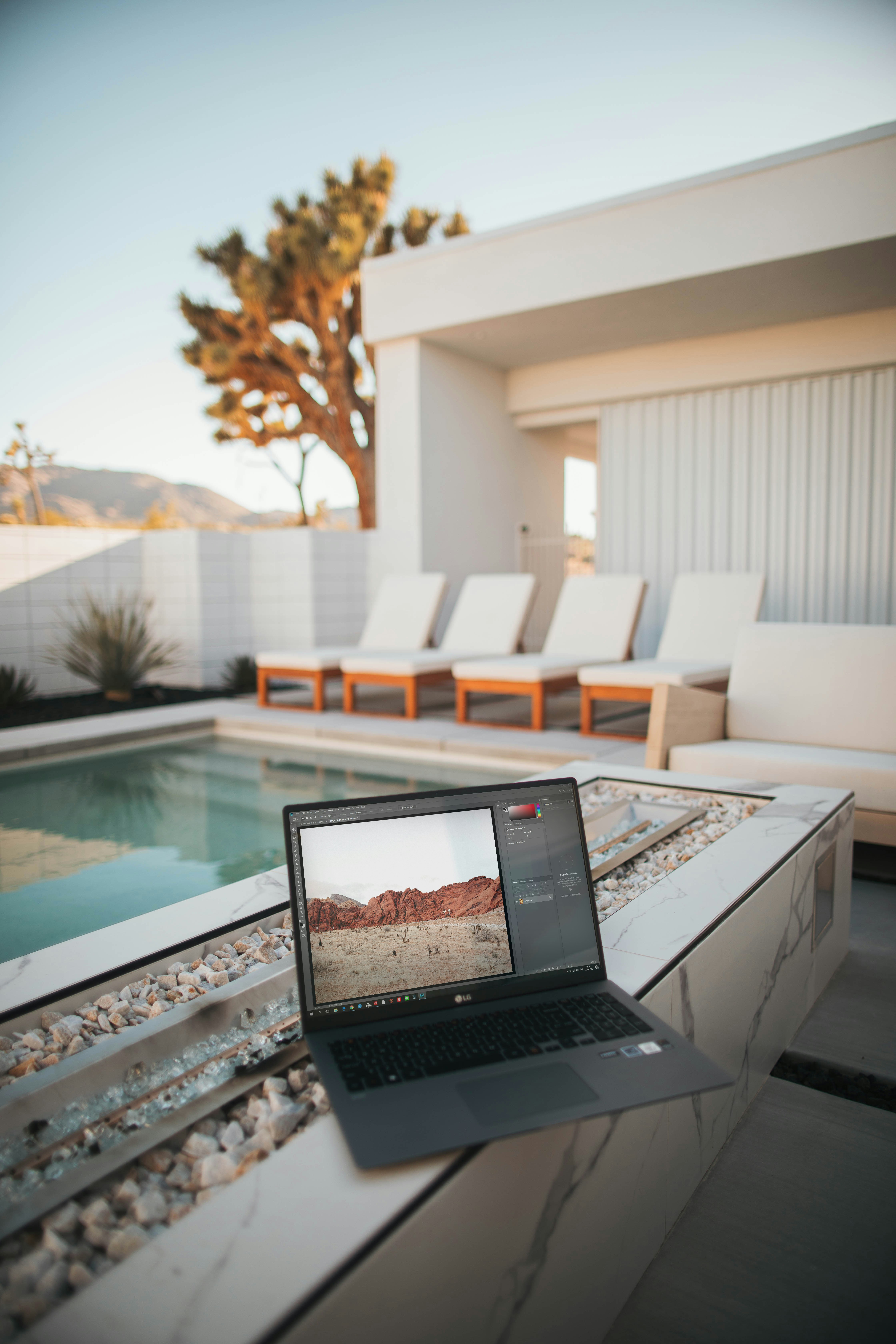
Let's run the numbers on a real scenario. You bought a 2-bedroom desert modern A-frame near Joshua Tree in 2023 for $475,000. You furnished it to the nines—mid-century modern furniture, custom lighting, a $6,000 hot tub, outdoor shower, fire pit, professional xeriscape with boulders and native plantings, gravel driveway, and a cowboy pool (stock tank plunge pool—yes, they're everywhere out here). The property is fully turnkey and pulling $65,000–$80,000 in gross annual rental income.
| Cost Segregation Breakdown | |
|---|---|
| Purchase price | $475,000 |
| Land allocation (13%)* | $61,750 |
| Depreciable basis | $413,250 |
| Accelerated components (~30%) | $123,975 |
| Year 1 accelerated deduction (100% bonus) | $123,975 |
| Federal tax savings at 37% bracket | $45,871 |
| California state tax savings at ~12%* | $14,877 |
| Total estimated Year 1 tax savings | $60,748 |
*Desert land ratios tend toward the higher end—13–18% is typical depending on lot size and location. Larger parcels with more undeveloped acreage will see higher land allocations. California state rate varies by income bracket; 12% is used as a representative rate for investors in the $400K–$600K income range.
Without cost segregation, you'd take roughly $15,027 per year in straight-line depreciation ($413,250 / 27.5). With cost segregation, you're pulling $123,975 forward into Year 1. That's 8.3 years of depreciation captured immediately.
The combined federal and California state savings of roughly $60,000 on a $475,000 property is extraordinary. That's nearly 13% of your purchase price returned through tax savings in Year 1. This is the California advantage—the same state tax rate that makes you wince every April becomes your best friend when you have accelerated depreciation to deploy against it.
Desert landscaping is 15-year property. That $25,000 xeriscape installation—boulders, native plantings, gravel beds, irrigation—can be deducted in full in Year 1 under 100% bonus depreciation. Most Joshua Tree investors don't realize their landscaping is an accelerated tax deduction.
The Joshua Tree Ecosystem: JT vs. Yucca Valley vs. Twentynine Palms
The "Joshua Tree" STR market actually spans several communities in the Morongo Basin. The cost segregation math works across all of them, but the property profiles differ:
Joshua Tree (unincorporated)—ground zero for the Instagram-driven desert STR boom. Properties range from $300,000 to $700,000, with the most desirable listings in the $400,000–$550,000 range. A-frames, domes, shipping container conversions, and mid-century modern homes dominate the high-performance listings. These properties tend to have the highest furnishing-to-structure ratios and the highest reclassification percentages under cost segregation.
Yucca Valley—the more established town just west of Joshua Tree, with better infrastructure (town water, paved roads, closer to grocery stores). Properties are 10–20% cheaper than comparable JT listings. Great value play for investors. The STR permit situation has been stable. Properties here tend to be more traditional ranch-style homes, which still classify well under cost segregation.
Twentynine Palms—east of Joshua Tree, closer to the park entrance, and the most affordable entry point. Properties in the $250,000–$400,000 range. The Marine Corps Air Ground Combat Center (the base) provides a secondary demand driver beyond tourism. Lower price points mean the absolute dollar savings from cost segregation are smaller, but the percentage return on investment is just as strong.
Pioneertown & Landers—smaller, more remote communities that have seen explosive STR growth. Pioneertown in particular commands premium nightly rates due to its Old West aesthetic and proximity to Pappy & Harriet's. Properties here are often on larger parcels with more extensive land improvements.
Material Participation: The Key That Unlocks Everything
For STR investors, the material participation rules are everything. If the average guest stay at your property is 7 days or fewer—and in Joshua Tree, average stays run 2–3 nights—the IRS does not automatically classify it as a rental activity for passive loss purposes.
If you materially participate (spending more than 100 hours per year on the property and more than anyone else), your losses become non-passive. They can offset your W-2 salary, your business income, your freelance earnings, your consulting fees. In California, where your marginal rate might be 50%+, this is a very big deal.
100 hours over 12 months is roughly 8 hours per month. If you're managing your Airbnb listing, responding to guest inquiries, coordinating with cleaners (and in the desert, cleaning is more involved—sand, wind, bugs), managing pricing across platforms, handling maintenance (desert properties have unique maintenance issues: swamp coolers, septic, well pumps, critter control), shopping for supplies, reviewing photos and listing copy, or driving out to the property for inspections—you're hitting 100 hours without trying. Keep a time log.
The combination of material participation, California's high state tax rate, and cost segregation creates what is arguably the most powerful tax play available to individual STR investors anywhere in the country. You're deducting at 50%+ on the dollar. A $475,000 property generating $60,000 in Year 1 tax savings. That's not a rounding error—that's a down payment on your next property.
The Unique Property Types: A-Frames, Domes, and Shipping Containers
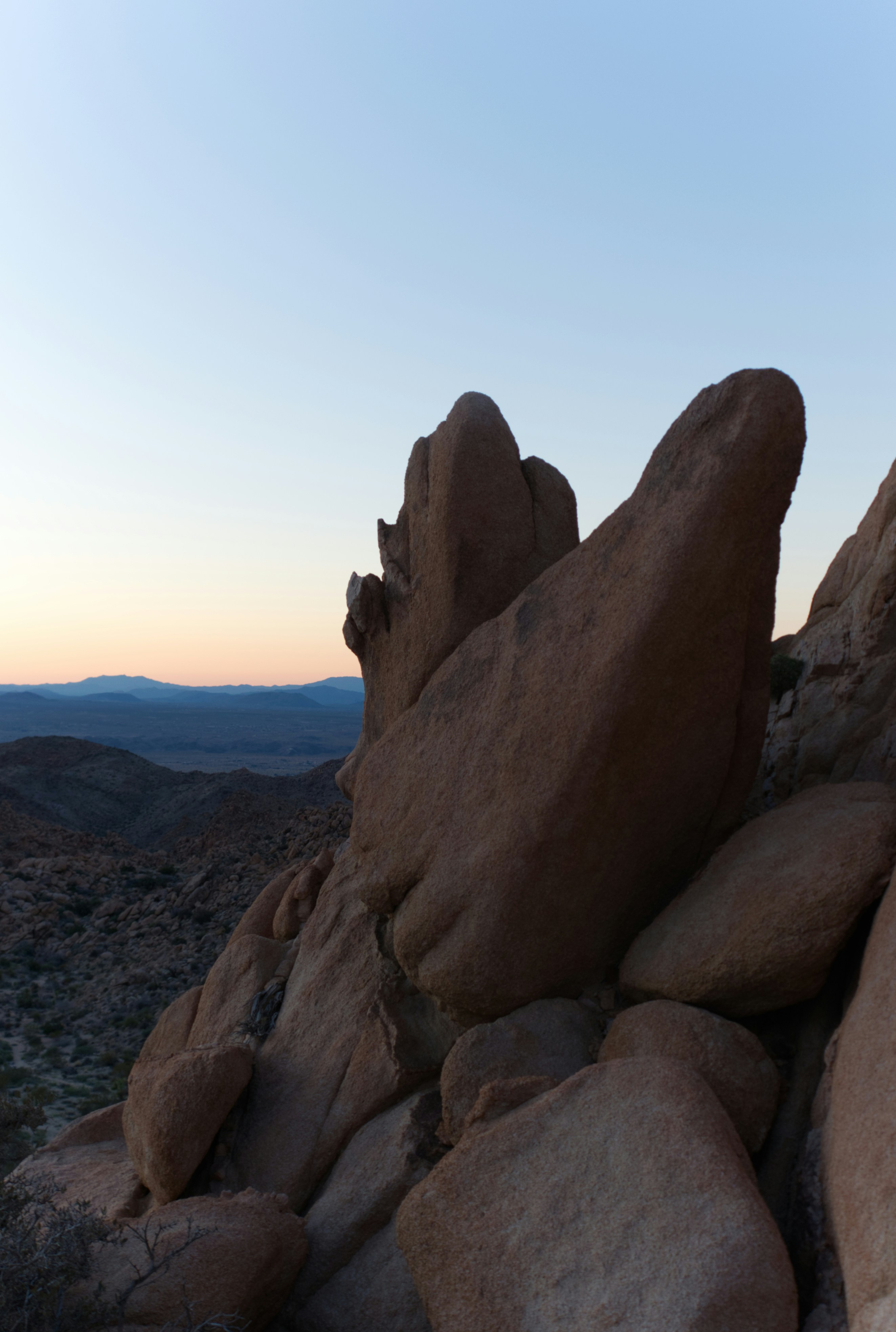
Joshua Tree has the most architecturally diverse STR inventory in America. And some of these unconventional property types actually classify even better under cost segregation than standard construction.
A-Frames—the iconic Joshua Tree property type. A-frames have a high ratio of interior finishes and fixtures to structural shell because the angled walls create less structural mass relative to the living space. More of the basis is in flooring, built-ins, and finishes—which tend to have shorter depreciable lives.
Domes and geodesic structures—similar dynamics to A-frames. The dome shell is structural, but everything inside—flooring, built-in furniture, bathroom fixtures, kitchen installations—is potentially reclassifiable.
Shipping container conversions—fascinating for cost segregation purposes. The container itself is arguably more fixture than building. The interior build-out—insulation, wall finishes, flooring, kitchen, bathroom—is all depreciable and much of it qualifies for accelerated schedules.
Renovated homesteads—many Joshua Tree properties were originally homestead cabins from the 1950s–1970s that have been completely gutted and rebuilt. If you purchased a renovated homestead, the renovation components (which are most of the value) often qualify for shorter recovery periods, especially if the renovations were done within the last 15–20 years.
100% Bonus Depreciation Is Permanently Back
Bonus depreciation had been phasing down—80% in 2023, 60% in 2024—but the One Big Beautiful Bill Act, signed in July 2025, permanently restored 100% bonus depreciation for 2025 and beyond. Every dollar of 5-year, 7-year, and 15-year property identified in your cost segregation study can be deducted in full in the year you place the property in service (or the year you file a lookback study).
For Joshua Tree investors who bought in 2022, 2023, or 2024, you can still claim these deductions through a lookback study. Your CPA files Form 3115, and the cumulative missed accelerated depreciation flows through your current-year tax return. No amended returns needed. The benefit hits this year—against both your federal and California tax liability.
How It Works: Fast, Not Complicated
Modern cost segregation studies don't require someone to drive out to the desert and inspect your property. Engineering-based studies use property data, building component databases (like RSMeans), and IRS-recognized valuation methodologies to classify your property's components remotely. You provide your property details—purchase price, square footage, year built, property type, furnishing level, notable features—and receive a CPA-ready PDF report, typically in under an hour.
The report breaks down every component by depreciation class, with detailed schedules your CPA can apply directly to your federal and California state returns. For lookback studies on properties purchased in prior years, your CPA files Form 3115 (automatic consent—no approval needed), and the cumulative missed depreciation hits your current-year return.
Cost Seg Smart is the modern cost segregation company. Reports delivered in under an hour—not six weeks. Studies start at $795. For a property purchased at $475,000, that's $795 to potentially save $45,000–$60,000 in combined federal and state taxes. You spent more than that on the hot tub. You spent more than that on the outdoor shower. You probably spent more than that on the Moroccan rug in the living room. This is the single best ROI decision you can make on your Joshua Tree property, and you can do it right now.
How Much Can You Save in Year One?
Enter your email to see your estimate
More from the Blog
Cost Segregation in Los Angeles: What California Investors Need to Know
LA investors face the highest state tax rate in the country. Cost segregation turns that into an advantage.
Cost Segregation for Airbnb Properties: A Complete Guide
Learn how Airbnb and short-term rental investors use cost segregation to accelerate $20K-$80K in depreciation deductions.
How STR Owners Use Cost Segregation to Offset W-2 Income
Short-term rental owners who materially participate may be able to use depreciation losses to offset their salary and other active income.