Tampa's Population Boom Created a Landlord Boom
The Tampa-St. Petersburg-Clearwater metro area added over 300,000 residents between 2020 and 2025, making it one of the fastest-growing metros in the country. That population growth drove rental demand, and rental demand drew investors. Median home prices in Hillsborough County sit around $390,000, with investor-grade SFRs in neighborhoods like Seminole Heights, Tampa Heights, West Tampa, and South Tampa trading between $425K and $650K.
If you bought rental property in Tampa during the 2021-2023 boom, you're sitting on a depreciable basis that reflects those peak-era prices. And here's the part most Tampa landlords miss: a cost segregation study can reclassify 18-28% of that basis from the standard 27.5-year depreciation schedule into 5-year and 15-year categories. With 100% bonus depreciation permanently restored, every reclassified dollar is deductible in Year 1.
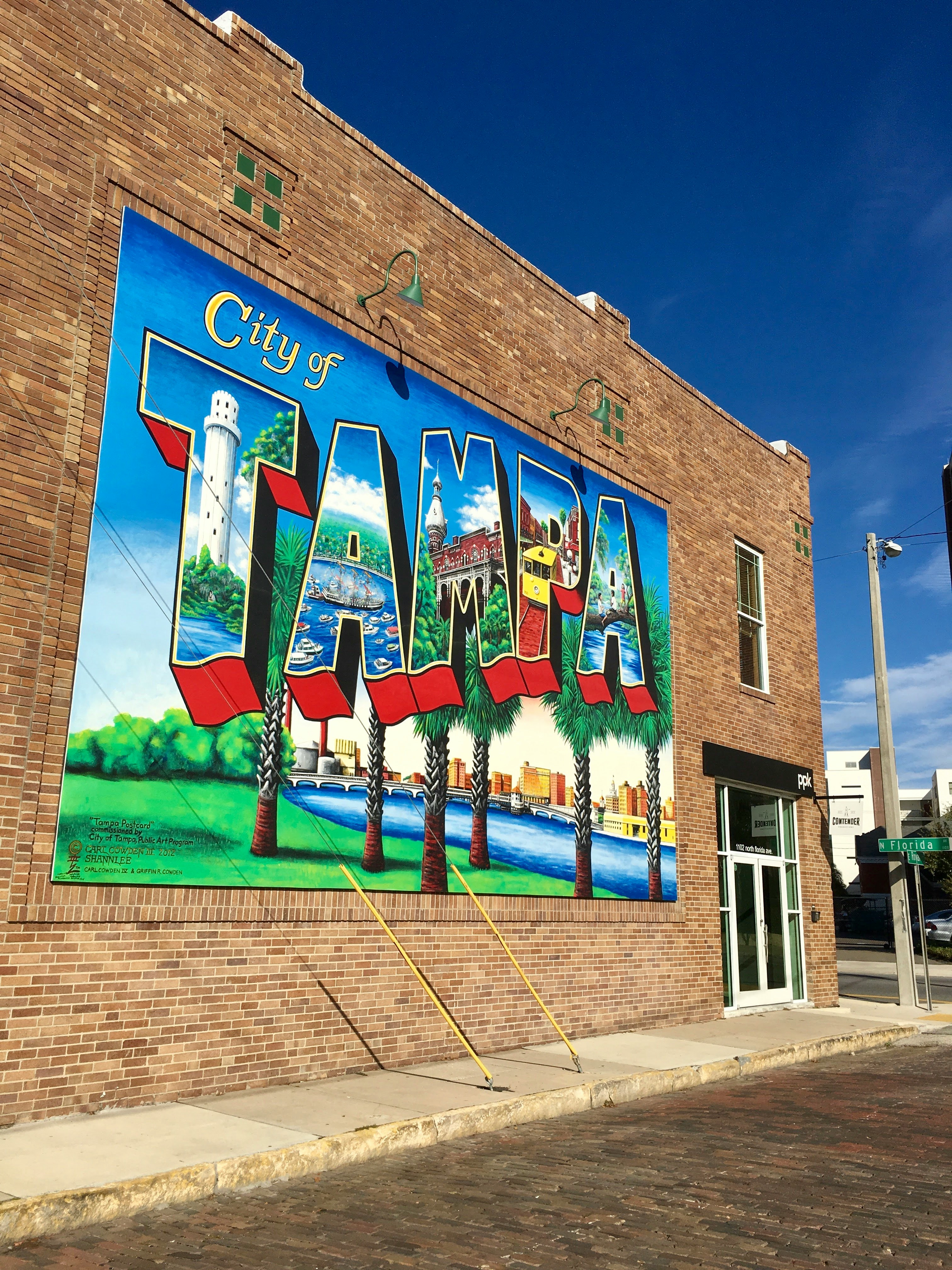
No State Income Tax: The Florida Advantage for Depreciation
Florida's lack of state income tax means your cost segregation deductions are clean — no state-level conformity issues, no dual depreciation schedules, no state recapture when you sell. Every dollar of accelerated depreciation directly reduces your federal tax bill. For Tampa investors in the 32% or 37% federal bracket, that's a straightforward calculation your CPA can run in minutes.
Tampa's construction cost index runs approximately 0.92 relative to the national average — below average. This means your property's component costs are moderate, but your purchase price (and therefore your depreciable basis) reflects market-rate pricing. The gap between construction cost and market value is actually favorable for cost segregation: more of your basis represents depreciable improvements rather than inflated construction premiums.
A Real Example: Duplex in Seminole Heights
The property: A duplex in Seminole Heights (33603), purchased in September 2022 for $520,000. Built in 1955, renovated in 2020 with new kitchens, bathrooms, HVAC, and electrical. Both units are tenant-occupied, unfurnished. The owner is a remote tech worker with W-2 income of $195,000.
Without cost segregation: Depreciable basis is approximately $416,000. Straight-line depreciation over 27.5 years: about $15,130 per year.
With cost segregation: The study identifies approximately 22% of the depreciable basis as 5-year and 15-year property. The recent renovation significantly boosts the reclassifiable percentage — new kitchens, bathrooms, and HVAC components all classify as shorter-lived property.
| Category | Amount | Year 1 Deduction |
|---|---|---|
| 5-Year Property (kitchen cabinets, appliances, flooring, fixtures, HVAC components) | $66,600 | $66,600 (100% bonus) |
| 15-Year Property (driveway, landscaping, fencing, sidewalks) | $24,900 | $24,900 (100% bonus) |
| 27.5-Year Property (remaining building structure) | $324,500 | $11,800 (straight-line) |
| Total Year 1 Accelerated Deductions | $91,500 |
At 32% federal rate, that $91,500 in Year 1 deductions produces approximately $29,300 in estimated tax savings. On a $795 study for a property under $1M, that's a 36x return on investment.
Tampa Bay Neighborhoods: Investment Profiles
Seminole Heights / Tampa Heights (33603, 33604): The renovation hot zone. Older bungalows and duplexes, heavily renovated in the 2018-2023 period. Recent renovations create significant reclassifiable property. Purchase prices $400K-$600K.
South Tampa / Hyde Park (33606, 33609): Premium SFR territory. Prices $600K-$1.2M. Higher land allocations but larger absolute deductions. Popular with high-income professionals.
West Tampa / Westshore (33607, 33609): Mixed investor territory — SFRs, small multifamily, and some commercial. Moderate prices ($350K-$500K) with good rental yield.
St. Petersburg / Gulfport (33701-33712): The STR side of Tampa Bay. St. Pete's waterfront neighborhoods generate strong vacation rental revenue. Fully furnished STRs see the highest reclassification percentages.
Brandon / Riverview / Wesley Chapel: Suburban new construction. Prices $350K-$500K. Lower reclassification percentages than older renovated properties, but accessible price points mean good ROI on the study cost.
Small Multifamily: Tampa's Cost Seg Sweet Spot
Tampa has a deep inventory of duplexes, triplexes, and fourplexes — particularly in Seminole Heights, Ybor City, West Tampa, and parts of St. Petersburg. Small multifamily properties are excellent cost seg candidates because they contain more fixtures and systems per dollar of basis than single-family homes. Two kitchens, two sets of appliances, two HVAC systems, multiple bathrooms — all reclassifiable to shorter depreciation lives.
A Tampa fourplex purchased for $700K can generate $120K-$160K in Year 1 accelerated deductions. At a 37% rate, that's $44K-$59K back from the IRS. The study starts at $995 for small multifamily — still a fraction of the tax savings.
The Lookback Opportunity for Tampa Investors
If you purchased your Tampa property in 2021, 2022, or early 2023 and have been depreciating it straight-line, you can still claim the accelerated depreciation retroactively. A lookback study filed via Form 3115 catches you up in a single tax year. No amended returns needed. Your CPA files the form with your current return, and all accumulated missed accelerated depreciation flows into one year.

Getting Started
Provide your property address, purchase price, property type, year built, and any renovation details. We deliver a 30+ page engineering-based cost segregation report in under an hour. Your CPA applies it directly. Tampa's combination of accessible prices, no state income tax, and an active investor market makes cost segregation one of the most straightforward tax decisions you'll make this year.
How Much Can You Save in Year One?
Enter your email to see your estimate
More from the Blog

Orlando Vacation Rental Owners: Tax Deductions and 80 Million Tourists
Orlando's resort corridor STRs are ideal cost segregation candidates with pools, furnishings, and game rooms.
Miami Cost Segregation for Rental Property Investors
Miami's high property values and active rental market make cost segregation a high-ROI tax strategy.