DFW Is an Investor Market — Act Like One
Dallas-Fort Worth is the fourth-largest metro area in the country, and one of the most active for real estate investors. Corporate relocations from California and the Northeast keep driving population growth, and that growth feeds a rental market where investor-owned SFRs are a fixture of every suburb from Frisco to Mansfield. Median home prices in Dallas County sit around $350,000, with investor-grade SFRs in Plano, Richardson, Garland, and Mesquite trading between $325K and $500K. The more premium suburbs — Frisco, Prosper, Celina, Southlake — range from $500K to $850K.
Most DFW investors treat depreciation as an afterthought: 27.5 years, straight-line, set it and forget it. That approach leaves tens of thousands of dollars in tax savings unclaimed. A cost segregation study reclassifies property components into 5-year, 7-year, and 15-year categories. With 100% bonus depreciation permanently restored by the One Big Beautiful Bill Act, those reclassified components are fully deductible in Year 1.
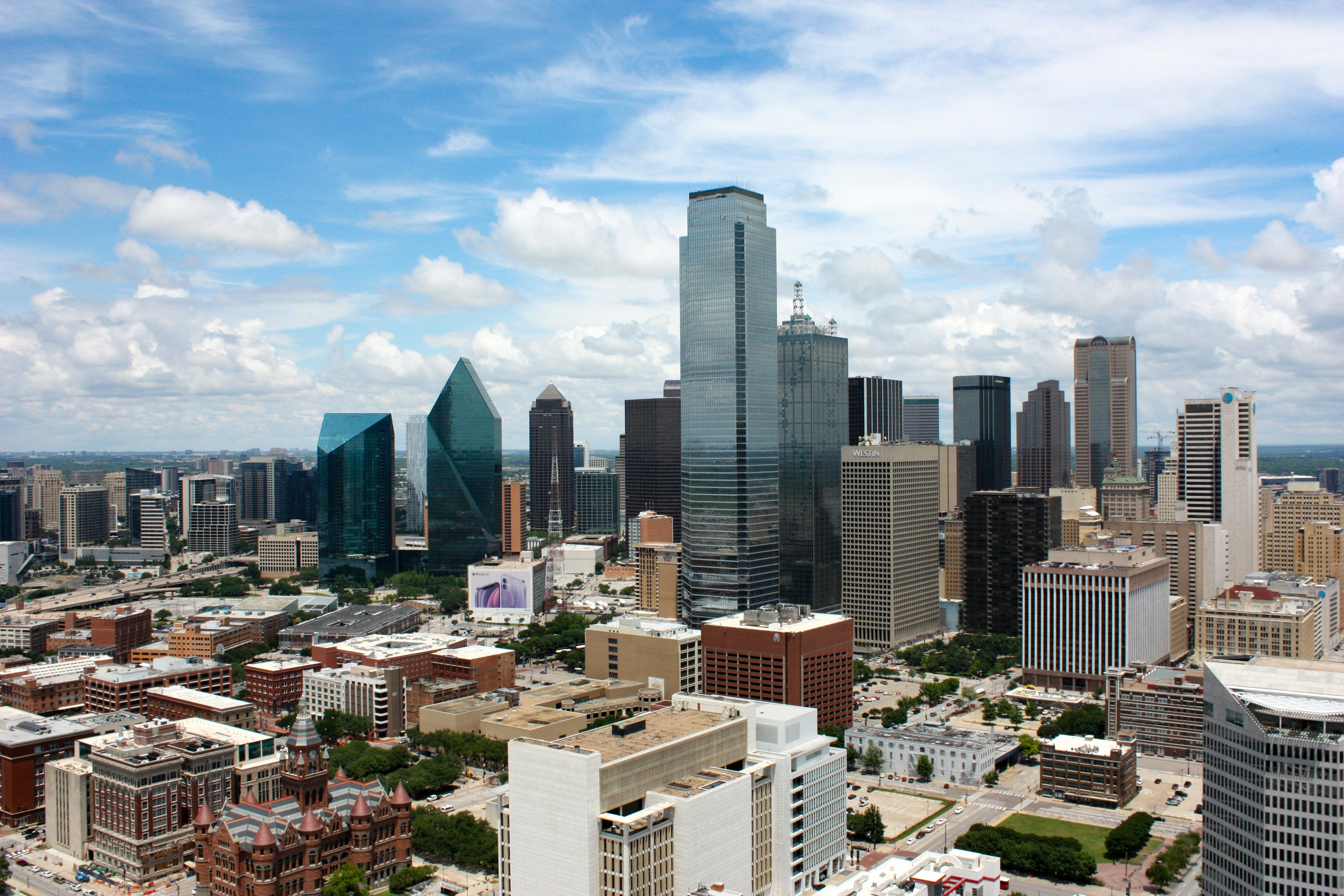
Texas: No State Income Tax, Big Federal Bill
Texas doesn't tax your income. But the IRS does. If you're a DFW professional earning $200K+ with rental properties on the side — and this describes a large segment of DFW's investor base — you're paying 32-37% federal tax on every dollar of rental income. Texas property taxes are high (averaging 1.8-2.2% of assessed value), and those are deductible, but depreciation is a separate and often larger deduction that most investors underutilize.
No state income tax also means no state depreciation recapture when you sell — a simpler exit calculation for Texas investors compared to states like California or New York.
DFW's construction cost index runs approximately 0.88 relative to the national average — among the lowest of major metros. Lower construction costs mean a higher ratio of depreciable improvements to total property value. For cost segregation, this translates to more favorable component-to-basis ratios.
A Real Example: 4BR SFR in Frisco
The property: A 4-bedroom, 3-bathroom SFR in Frisco (75034), purchased in April 2023 for $485,000. Built in 2018. Tenant-occupied, unfurnished. The owner is a corporate finance director with W-2 income of $230,000.
Without cost segregation: Depreciable basis is approximately $388,000. Straight-line depreciation: about $14,110 per year.
With cost segregation: The study identifies approximately 18% of the depreciable basis as 5-year and 15-year property.
| Category | Amount | Year 1 Deduction |
|---|---|---|
| 5-Year Property (appliances, cabinetry, countertops, flooring, fixtures) | $50,440 | $50,440 (100% bonus) |
| 15-Year Property (landscaping, driveway, fencing, sidewalks) | $19,400 | $19,400 (100% bonus) |
| 27.5-Year Property (remaining structure) | $318,160 | $11,570 (straight-line) |
| Total Year 1 Accelerated Deductions | $69,840 |
At 32% federal, that's approximately $22,350 in estimated tax savings in Year 1. The study starts at $795. Even for a relatively newer, unfurnished SFR, the ROI is 28x.
DFW Investment Zones
Frisco / Prosper / Celina: New construction suburbs, $450K-$800K. Lower reclassification percentages (15-18%) on newer builds, but high purchase prices produce meaningful absolute deductions. These investors tend to be high-income professionals in the top brackets.
Plano / Richardson / Allen: Established suburbs with a mix of 1990s-2010s construction. Prices $350K-$550K. Moderate reclassification percentages with strong tenant demand from the Telecom Corridor employment base.
Garland / Mesquite / Irving: More affordable investor territory, $275K-$400K. Older construction often yields higher reclassification percentages. Lower price points still generate $12K-$20K in Year 1 accelerated deductions.
Fort Worth / Arlington / Mansfield: The west side of DFW. SFRs $300K-$475K. Growing investor activity. Similar cost structure to Dallas suburbs.
Deep Ellum / Oak Cliff / Bishop Arts: Urban Dallas investment territory. Older homes, often renovated, some operating as STRs. Renovated properties produce higher reclassification percentages — renovation costs contain significant 5-year property.
The Portfolio Effect
Many DFW investors own three, five, even ten properties scattered across the metro. Running cost segregation on each property compounds the benefit. A portfolio of five SFRs averaging $400K each can generate $250K-$350K in combined Year 1 accelerated deductions. At 37%, that's $90K-$130K in federal tax savings — real money that funds your next acquisition or reduces debt.
What You Receive
A 30+ page engineering-based PDF report with component-level depreciation schedules, MACRS classifications, and IRS-compliant methodology documentation. Delivered in under an hour. Starting at $795 — a fraction of what traditional firms charge for the same deliverable.
Getting Started
Provide your property address, purchase price, property type, and year built. We generate the report. You hand it to your CPA. DFW's accessible prices, no state income tax, and scale-friendly investment market make cost segregation one of the highest-ROI decisions available to North Texas investors.
How Much Can You Save in Year One?
Enter your email to see your estimate
More from the Blog
Austin STR Investors: 100% Bonus Depreciation Is Back
For Austin investors who bought at the 2022 peak, cost segregation on your original purchase price could recover $30K-$80K.
Houston Cost Segregation: Energy Corridor to the Heights
Houston's sprawling rental market and no state income tax make cost segregation a straightforward decision.